
TL;DR:
- Effective language learning relies on dynamic student-tutor interactions involving guided instruction, questioning, collaboration, and feedback.
- Personalised, responsive exchanges with tutors significantly accelerate progress and improve language fluency.
- Active participation, clear goals, and using mistakes as learning opportunities enhance the value of tutoring sessions.
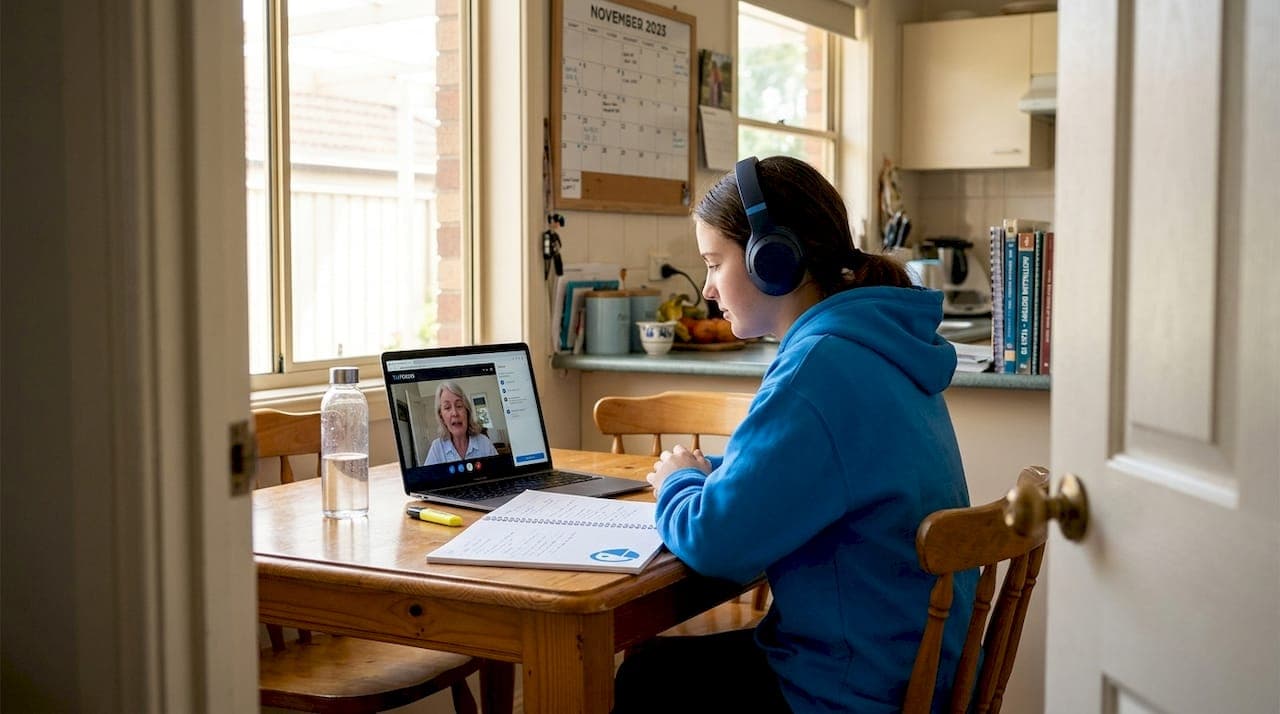
Learning a language is not simply about memorising vocabulary lists or drilling grammar rules in isolation. The real engine behind lasting language progress is the dynamic relationship between student and tutor, a relationship that shapes how quickly you grow, how deeply you retain new knowledge, and how confidently you use a language in real life. Student-tutor interaction is the dynamic exchange between students and tutors, involving guided instruction, questioning, collaboration, and feedback, and it profoundly affects learning outcomes, especially in language acquisition. This guide explores what that interaction truly means, how it works, and how you can make the most of every session.
Table of Contents
- What is student-tutor interaction in language learning?
- How student-tutor interaction improves language acquisition
- Key interaction methods: from real conversations to AI tutors
- Making the most of your student-tutor interactions
- The science behind advanced interaction patterns
- Why authentic interaction, not just content, accelerates fluency
- Ready to experience powerful student-tutor interaction?
- Frequently asked questions
Key Takeaways
| Point | Details |
|---|---|
| Interaction drives language gains | Quality student-tutor interaction can significantly speed up how quickly and deeply you learn a language. |
| Both human and AI tutors matter | While technology offers personalisation and flexibility, authentic conversation with a human remains irreplaceable for nuanced progress. |
| Active participation is key | You’ll get the most out of tutoring when you take initiative—ask questions, seek feedback, and embrace mistakes as learning moments. |
| Advanced methods boost results | Complex conversation patterns and multimodal exchanges help deepen understanding and real-world fluency. |
What is student-tutor interaction in language learning?
Student-tutor interaction is far more than a tutor talking and a student listening. At its core, it is a living dialogue, a back-and-forth exchange where both parties contribute, question, and respond. Student-tutor interaction is the dynamic exchange that sits at the very centre of effective learning, encompassing behaviours that go well beyond simple instruction.
The foundations of this interaction include four key elements:
- Guided instruction: The tutor scaffolds new concepts, breaking them into manageable steps and adjusting explanations based on your responses.
- Questioning: Both the tutor and the student ask questions, which pushes thinking deeper and surfaces misunderstandings before they become habits.
- Collaboration: Student and tutor work together to solve problems, construct meaning, and practise real communication.
- Feedback: Timely, specific feedback helps you understand what is working and what needs adjustment, preventing errors from becoming fossilised habits.
Why does this matter so much in language learning specifically? Because language is not a body of knowledge you simply absorb. It is a skill you perform. Passive learning, reading a textbook or watching videos, can build awareness, but it rarely builds fluency. The role of online student-teacher interaction is especially significant in digital environments, where maintaining engagement and authentic exchange requires deliberate effort from both sides.
When you engage in private language tutoring, you gain access to a personalised exchange that a classroom or app simply cannot replicate. Your tutor notices when you hesitate, adjusts the pace when you struggle, and challenges you when you are ready to move forward. That responsiveness is what makes student-tutor interaction the cornerstone of real language progress.
How student-tutor interaction improves language acquisition
Now that we have defined it, let us explore the real impact of effective student-tutor interaction on how you learn a language. The evidence is striking and worth understanding in detail.
High-impact tutoring yields 3-15 months additional learning compared to standard instruction, with even aligned tutoring adding around 1.3 months of extra progress. This is not a marginal gain. For a language learner aiming to reach conversational fluency or pass a proficiency exam, several additional months of effective learning can be transformative.
Quality interaction delivers these gains through several concrete mechanisms:
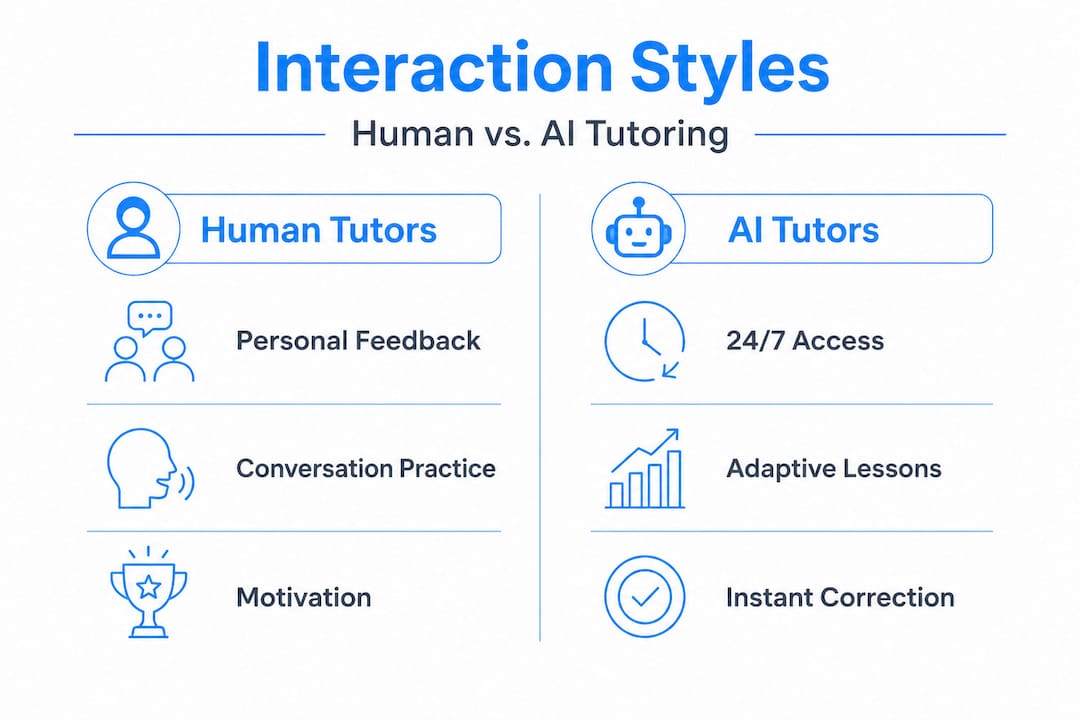
- Personalised feedback in real time: When your tutor corrects a pronunciation error or a grammatical pattern in the moment, you can adjust immediately rather than repeating the mistake hundreds of times.
- Motivation and accountability: Knowing that a real person is invested in your progress keeps you engaged and consistent, two factors that research consistently links to long-term retention.
- Error as opportunity: Skilled tutors reframe mistakes as data, using them to guide the next stage of instruction rather than simply marking them wrong.
- Contextualised vocabulary: Words and phrases learned in conversation, tied to real exchanges and emotions, stick far longer than those memorised from a list.
Technology is also reshaping this space. Intelligent Tutoring Systems in language learning use natural language processing, speech recognition, and automated feedback to provide personalised interaction at scale, aligned with communicative and task-based approaches. These systems have shown improvements in vocabulary, pronunciation, and motivation. However, they come with important caveats, including the risk of misclassifying errors and the absence of genuine human empathy and cultural nuance.
The benefits of private tutors remain significant precisely because human interaction carries dimensions that technology has not yet fully replicated. A tutor notices the slight hesitation before you attempt a difficult word. They sense when you are frustrated and shift the activity to rebuild your confidence. These subtle, responsive adjustments are what unlock language potential far faster than any algorithm can currently achieve.
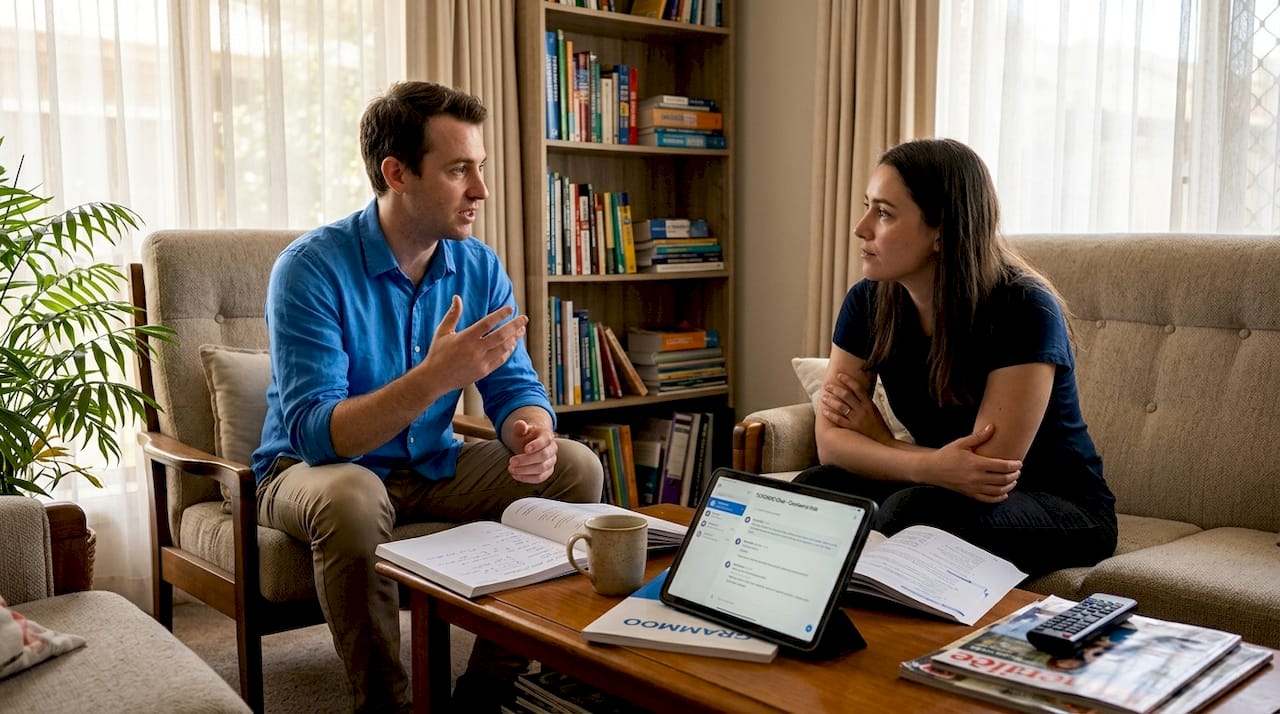
Understanding interactive learning methods helps both students and tutors design sessions that maximise these benefits, turning every conversation into a structured opportunity for growth.
Key interaction methods: from real conversations to AI tutors
With the benefits in mind, it is important to understand which types of student-tutor interaction exist and how they fit different learners and goals.
| Interaction type | Key strengths | Key limitations |
|---|---|---|
| Human one-on-one tutoring | Personalised, responsive, emotionally attuned | Higher cost, limited scalability |
| Small group tutoring | Peer learning, shared motivation | Less individual attention |
| AI and ITS tutoring | Scalable, data-driven, available 24/7 | Risk of errors, lacks human nuance |
| Hybrid (human + tech) | Combines flexibility with authentic exchange | Requires coordination and planning |
What the research shows about generative AI in tutoring reveals a nuanced picture. Traditional human tutoring remains highly effective but is difficult to scale. AI and Intelligent Tutoring Systems offer personalisation and availability but carry risks including hallucinations and misclassifications. Remarkably, these systems have outperformed active learning in randomised controlled trials, with effect sizes ranging from 0.63 to 1.3 standard deviations, which is a substantial result in educational research.
Human tutoring, particularly one-on-one learning gains, are rooted in something deeper than data processing. Conversation Analysis research shows that even small conversational signals matter enormously. Conversation Analysis and tutoring feedback debates reveal that 'oh'-prefaced utterances, where a student says "oh" before responding, signal a genuine shift in understanding during explanations. Tutors who recognise these signals can adjust their approach in real time, something no current AI system does reliably.
There is also ongoing debate about the timing of feedback. The Interaction Hypothesis suggests that immediate corrective feedback during conversation is most effective, while the Skill Acquisition and Guidance Hypotheses argue for more delayed, reflective feedback. The right approach often depends on the learner's level and the specific skill being practised.
Here is a practical numbered list for choosing your interaction mode:
- Beginners benefit most from human tutors who can gently correct pronunciation and build confidence through encouraging dialogue.
- Intermediate learners can supplement human sessions with AI tools for vocabulary drilling and listening practice between lessons.
- Advanced learners gain the most from unscripted, authentic conversation with a native-speaking tutor who challenges them with complex, real-world language.
- Exam-focused learners need a tutor who understands the specific format and can provide targeted, structured feedback on performance.
Pro Tip: Explore online tutoring examples to see how different interaction styles play out in real sessions, and consider trialling both human and technology-assisted approaches to find what works best for your learning style.
Understanding how online tutoring support works can also help you set realistic expectations and get the most from whichever format you choose.
Making the most of your student-tutor interactions
Now that you know what forms these interactions take, here is how you can get even more from every session. The quality of your interaction is not solely the tutor's responsibility. You play an active and powerful role.
Research into effective tutoring methodologies highlights several strategies that consistently improve outcomes. These include eliciting student thinking before offering help, scaffolding complex tasks into smaller steps, providing adequate wait time after questions, and aligning tutor materials with the learner's broader goals. As a student, you can actively support all of these by coming prepared, thinking aloud, and being honest about what you do and do not understand.
Key strategies for getting more from every session:
- Think aloud: Share your reasoning as you work through a problem. This gives your tutor insight into where your understanding breaks down.
- Request specific feedback: Rather than asking "Was that okay?", try "Can you tell me if my word order sounds natural?" Specific requests yield specific, useful answers.
- Use errors as learning moments: When you make a mistake, ask your tutor to explain why it is incorrect and what the correct pattern is. This turns a stumble into a stepping stone.
- Set session goals: Arrive with a clear intention, whether that is practising a particular tense, working on a specific vocabulary area, or rehearsing a real-life scenario.
Repair initiation in ESL interactions uses both verbal and non-verbal strategies to resolve communication breakdowns. Verbally, this includes open-class repair signals like "Sorry?", understanding checks, partial repeats with a question word, and direct repetition requests. Non-verbally, leaning forward or placing a hand behind the ear signals that you have not understood. Knowing and using these strategies makes you a more active, self-advocating learner.
"The most effective learners are not those who make the fewest mistakes. They are those who use every mistake as a signal to ask better questions."
Personalised learning tips can help you structure your approach between sessions, while flexible tutoring tips offer practical guidance on maintaining momentum even when life gets busy. Reviewing effective online study sessions can also help you build habits that make every interaction count.
Pro Tip: Before each session, write down two or three specific things you want to practise or ask about. This simple habit transforms passive attendance into active, purposeful learning.
The science behind advanced interaction patterns
Finally, let us look at the sophisticated conversation patterns that set the best learning experiences apart and bring this guide together.
Most people are familiar with the basic Initiation-Response-Feedback (IRF) pattern: the tutor asks a question, the student answers, and the tutor evaluates the response. This structure is useful, but it keeps the student in a reactive position and limits the depth of language use.
Complex discourse patterns and student participation show that richer frameworks, such as extended multi-turn sequences where students contribute multiple responses before receiving feedback, significantly increase participation and depth in language classrooms. These patterns encourage students to elaborate, self-correct, and negotiate meaning, all of which are central to real-world language use.
Key benefits of advanced interaction patterns include:
- Deeper processing: Extended dialogue requires students to hold more information in mind and connect ideas, strengthening retention.
- Authentic language use: Multi-turn conversations mirror real-life communication far more closely than scripted drills.
- Increased agency: Students who contribute more turns feel more ownership over their learning, which boosts motivation and persistence.
- Richer feedback opportunities: Longer exchanges give tutors more data to work with, enabling more nuanced and targeted feedback.
Multimodal interactions in language classrooms add another layer of richness. Research using lag sequential analysis shows that combining verbal input and output with co-verbal prosody, the rhythm, stress, and intonation of speech alongside gesture, scaffolds understanding in ways that words alone cannot. This aligns with established theories of language acquisition from Krashen's Input Hypothesis to Swain's Output Hypothesis, both of which emphasise the importance of rich, meaningful language exposure and production.
For learners working toward advanced tutoring for language skills, understanding these patterns helps you recognise when a session is genuinely stretching your abilities and when it may be keeping you in a comfort zone that limits growth.
Why authentic interaction, not just content, accelerates fluency
Here is an insight that most language learning guides overlook: the content of your sessions matters far less than the quality of the relational exchange happening within them.
Many learners and even some tutors fall into the trap of treating sessions as content delivery events. The tutor explains a grammar rule, the student takes notes, and both feel productive. But this approach misses the point entirely. Language is not information. It is a living, social practice, and it grows through authentic, unscripted use.
Dynamic, unpredictable conversations, where neither party knows exactly what will be said next, are where real fluency is built. These exchanges force you to retrieve language under pressure, to negotiate meaning in real time, and to develop the kind of spontaneous confidence that no scripted drill can produce. This is why even preparation for language exam preparation benefits enormously from sessions built around genuine dialogue rather than purely practising exam formats.
Our perspective at TUTOROO is that the best tutors are not those who know the most grammar rules. They are those who create an environment where authentic exchange feels safe, stimulating, and genuinely enjoyable. If your sessions feel like lectures, it may be time to ask your tutor to shift the balance toward open conversation, real-world scenarios, and collaborative problem-solving. The relationship itself is the curriculum.
Ready to experience powerful student-tutor interaction?
Understanding the science and strategies behind student-tutor interaction is a powerful first step. But the real transformation happens when you put these insights into practice with a tutor who is genuinely invested in your progress.
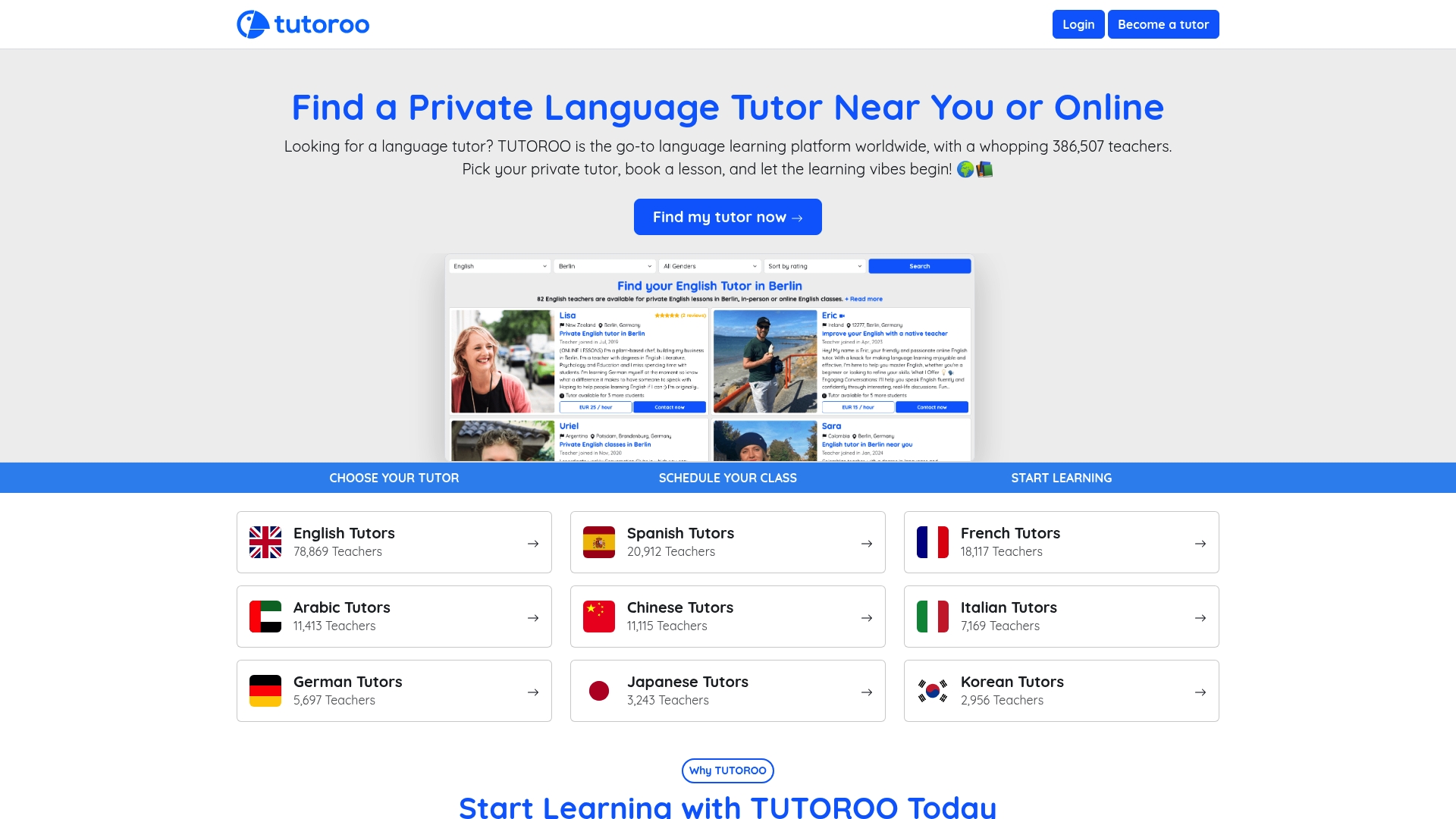
At TUTOROO, you can find a language tutor who matches your goals, schedule, and preferred learning style from a community of over 386,000 language teachers worldwide. Whether you are looking for English tutor options to sharpen your professional communication or Malay tutor options to connect with a new culture, TUTOROO makes it simple to start meaningful, personalised sessions online or in person. Every technique covered in this guide becomes far more powerful when applied in real conversations with the right tutor by your side.
Frequently asked questions
How can I prepare for an effective session with my tutor?
Come with specific questions or topics, review notes or mistakes from earlier sessions, and set a clear goal for what you want to improve. Preparation transforms a general lesson into a targeted, high-value exchange.
What should I do if I don't understand my tutor's explanation?
Use verbal strategies such as asking for clarification, requesting repetition, or offering a repair signal like "Could you say that another way?" Repair initiation in ESL interactions shows that both verbal and non-verbal signals, such as leaning forward or placing a hand behind the ear, are effective ways to signal a breakdown and invite a clearer explanation.
Does technology make student-tutor interaction less effective?
Not necessarily, but it does change the nature of the interaction. What the research shows about generative AI in tutoring confirms that AI tutors offer real benefits in personalisation and scalability, but human tutors remain superior for motivation, cultural nuance, and the kind of responsive, empathetic exchange that builds genuine fluency.
How do I know if an interaction is working for me?
If you feel appropriately challenged, can ask questions comfortably, receive clear and specific feedback, and notice steady improvement over time, your interactions are effective. Student-tutor interaction is the dynamic exchange that should involve all four core behaviours: guidance, questioning, collaboration, and feedback. If any of these are missing, it is worth raising with your tutor.
Can I apply these strategies for group lessons as well?
Yes, many techniques including repair strategies, clarifying questions, and proactive feedback-seeking apply equally well in group settings. You may simply need to be more assertive about creating space for yourself within the group dynamic, as individual attention is naturally more limited than in one-on-one sessions.
Recommended
- How tutors unlock language potential: 1.11x faster results
- Private tutoring best practices for faster language success
- Step-by-step online tutoring: Accelerate your language learning
- Unlock language success with private tutoring benefits
- Top language learning games: boost vocabulary and fun
- Module-based Spanish learning: unlock real conversation