

Many students and parents assume that working through practice papers alone is the fastest route to exam success. It feels logical: more hours at the desk, more questions answered, better results. Yet the evidence tells a different story. Empirical data shows that structured tutoring dramatically improves pass rates and scores across a wide range of subjects, including language exams. This article unpacks why tutoring works, how it compares to self-study, and how students and parents can apply these insights to build a genuinely effective exam preparation plan.
Table of Contents
- Understanding tutoring: Types and approaches
- Why tutoring matters: Evidence from research
- Tutoring versus self-study: Pros and cons
- How tutors personalise exam strategies
- Blended approaches: Maximising learning with technology and tutors
- Taking action: Finding the right tutor for your exam needs
- Connecting with expert tutors for language exam preparation
- Frequently asked questions
Key Takeaways
| Point | Details |
|---|---|
| Tutoring boosts pass rates | Evidence shows private tutoring lifts language exam success significantly, especially with consistent sessions. |
| Human tutors offer tailored support | Expert guidance and empathy help students target weaknesses and build confidence for exam day. |
| Blended models work best | Combining tutor-led and tech-assisted practice maximises learning and exam readiness. |
| Choose tutors by exam needs | Personalised fitting of teaching style, credentials, and approach is crucial for effective language exam preparation. |
Understanding tutoring: Types and approaches
Tutoring in the context of language exam preparation means working with a knowledgeable guide who helps you identify gaps, build skills, and practise in ways that mirror real exam conditions. It is not simply having someone sit beside you while you study. It is a structured, responsive process designed around your specific needs.
There are three main types of tutoring available today:
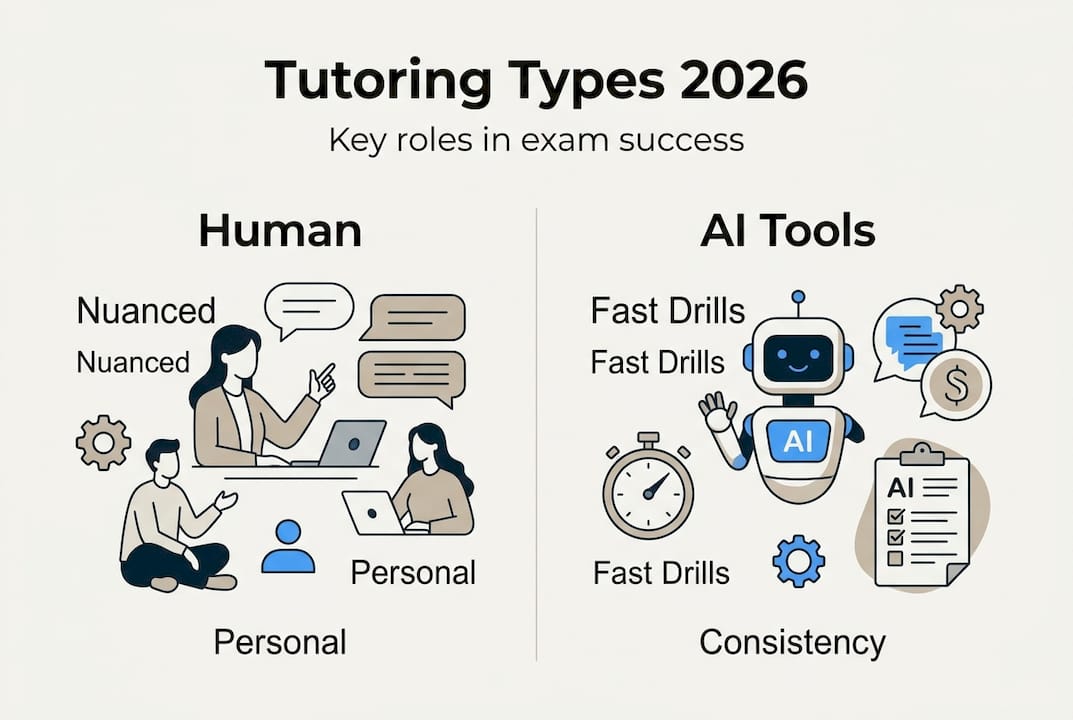
- Human tutoring: A qualified or experienced tutor works with you one on one, providing feedback, motivation, and culturally informed guidance. This is especially valuable for language exams where nuance, tone, and cultural context matter.
- AI-assisted tutoring: Digital tools and platforms offer automated drills, instant feedback on grammar, and adaptive exercises. These are fast and accessible but can struggle with complex scenarios or emotional encouragement.
- Hybrid models: A combination of human and AI support, where a tutor guides the overall strategy and technology handles repetitive practice tasks.
Human tutors excel in nuance, empathy, and cultural context, while AI tools offer speed for drills but fall short in motivation and handling complex exam scenarios. A hybrid approach is often recommended for the best balance. Whether you choose local or online tutoring, the core benefit remains the same: personalised guidance that self-study simply cannot replicate. It is also worth noting, as peer tutoring research highlights, that human connection in learning environments produces outcomes that automated systems consistently struggle to match.
For those curious about how tutoring works as a flexible arrangement, the self-employed tutoring guide offers a useful overview of how modern tutors structure their sessions and services.
Why tutoring matters: Evidence from research
Now that tutoring approaches are clear, let's look at what the studies say about their impact on exam results. The findings are striking.
High-dosage tutoring yields an average effect size of 0.37 standard deviations across studies, which translates to meaningful, measurable gains in exam performance for tutored students.
To put that in perspective, an effect size of 0.37 SD is considered educationally significant. It is the difference between a student who barely passes and one who achieves a comfortable margin above the threshold.
| Tutoring type | Average effect on scores | Best suited for |
|---|---|---|
| High-dosage human tutoring | 0.37 SD improvement | Complex language skills, speaking, writing |
| AI-assisted practice | Moderate gains on drills | Vocabulary, grammar repetition |
| Hybrid model | Strong across all areas | Full exam preparation |
| Self-study only | Variable, often lower | Motivated, experienced learners |
The impact is most pronounced when tutoring is targeted, meaning sessions focus on the specific skills tested in the exam rather than general language practice. For language learners, the private tutoring benefits extend beyond scores: confidence, fluency, and cultural understanding all improve alongside exam readiness. Working with a native-speaking tutor adds another layer of authenticity, helping students internalise natural speech patterns that examiners reward.
Tutoring versus self-study: Pros and cons
With the evidence for tutoring's effectiveness established, it's useful to compare exactly how tutoring and self-study stack up for exam prep.
| Factor | Tutoring | Self-study |
|---|---|---|
| Personalised feedback | Yes, immediate | No, delayed or absent |
| Motivation and accountability | High | Variable |
| Cost | Higher | Lower |
| Flexibility | Moderate | High |
| Cultural and contextual depth | Strong with human tutor | Limited |
| Speed of drilling basics | Moderate | Fast with AI tools |
Human tutors excel in nuance, empathy, and cultural context, while self-study and AI tools offer speed but lack the motivational depth needed for sustained exam preparation. Neither approach is perfect on its own.
The advantages of tutoring include:
- Structured sessions that mirror exam conditions
- Immediate correction of errors before they become habits
- Emotional support during high-pressure preparation periods
- Culturally informed feedback for language-specific nuances
The advantages of self-study include:
- Complete flexibility over timing and pace
- Lower financial commitment
- Access to a wide range of free and paid resources
- Useful for reinforcing content covered in tutoring sessions
Pro Tip: Use self-study to consolidate what your tutor has taught you, rather than treating it as a separate preparation track. The two approaches reinforce each other most powerfully when they are aligned.
Exploring online tutoring examples can help you visualise how a blended routine might look in practice, especially if you are balancing school commitments alongside exam preparation. The local vs online tutoring comparison is also worth revisiting as you plan your schedule.
How tutors personalise exam strategies
Once you've weighed tutoring versus self-study, the real advantage comes from how tutors adapt methods for each student's exam needs. A skilled tutor does not deliver a one-size-fits-all programme. They assess, adjust, and respond.
Here is how a personalised exam strategy typically unfolds:
- Initial diagnostic: The tutor assesses your current level across all exam components, such as reading, writing, listening, and speaking.
- Gap identification: Weak areas are mapped against the exam's marking criteria.
- Custom plan creation: A session schedule is built around your exam date and the skills that need the most attention.
- Targeted practice: Each session focuses on specific skills, using exam-style tasks to build familiarity and confidence.
- Feedback loops: After each task, the tutor provides detailed, actionable feedback rather than a simple score.
- Progress review: Regular check-ins track improvement and adjust the plan as needed.
Targeted tutoring interventions consistently improve scores more than general study, because they direct effort where it counts most. Understanding different tutoring styles helps students and parents choose a tutor whose approach matches the learner's personality and exam requirements.
The benefits of one-on-one language teaching are especially clear in speaking and listening components, where real-time interaction is irreplaceable. Tutors who use personalised online teaching methods can replicate this experience effectively in a virtual setting.

Pro Tip: Before each session, send your tutor a short note about what felt difficult in your last practice attempt. This primes the session for maximum relevance and saves valuable time.
Blended approaches: Maximising learning with technology and tutors
Having covered personalised strategies, many now wonder if technology should replace or work alongside human tutors. The answer, supported by research, is clear: technology works best as a complement, not a replacement.
AI tools are recommended for drills, while human tutors handle motivation and complex exam scenarios. This division of labour makes both elements more effective. As peer tutoring research reinforces, the human element in learning cannot be automated away, particularly when students face pressure, confusion, or a plateau in progress.
A practical blended approach for language exam preparation might look like this:
- Use a language app for 15 to 20 minutes of daily vocabulary and grammar drills
- Attend two to three tutor sessions per week focused on speaking, writing, and exam strategy
- Record yourself completing timed exam tasks and share them with your tutor for review
- Use AI writing tools to get instant grammar feedback between sessions, then discuss patterns with your tutor
- Review tutor feedback notes before each self-study session to stay aligned
Exploring online tutoring examples gives a clearer picture of how this balance plays out in real exam preparation contexts. If you are comparing platforms or looking for alternatives, reviewing tutoring platform options can help you find the right fit for your learning style and budget.
Taking action: Finding the right tutor for your exam needs
With all methods and models explored, here's how to put the insights into action and select a tutor who fits your language exam goals. Tutoring effectiveness depends on fit between the approach and the student's specific needs, so the selection process matters enormously.
Follow these steps to find the right match:
- Define your exam: Know the exact exam you are preparing for, its format, components, and marking criteria before you begin searching.
- Identify your weak areas: Be honest about which skills need the most work. This helps you brief potential tutors clearly.
- Search by specialisation: Look for tutors with direct experience preparing students for your specific exam type.
- Check credentials and reviews: Verified qualifications and student feedback are strong indicators of tutor quality.
- Request a trial session: Most tutors offer an introductory session. Use it to assess communication style, teaching approach, and rapport.
- Discuss a structured plan: A good tutor will propose a clear preparation timeline aligned with your exam date.
- Review progress regularly: Set milestones and check in every few weeks to ensure the plan is working.
Understanding the benefits of working with a native-speaking tutor can also inform your decision, particularly for oral and listening components. The private tutoring benefits extend well beyond exam scores, building genuine language confidence that serves students long after the test is over.
Connecting with expert tutors for language exam preparation
Once you're ready to pursue structured exam prep with a tutor, here's how to connect with proven experts and tailor your approach for optimal results.
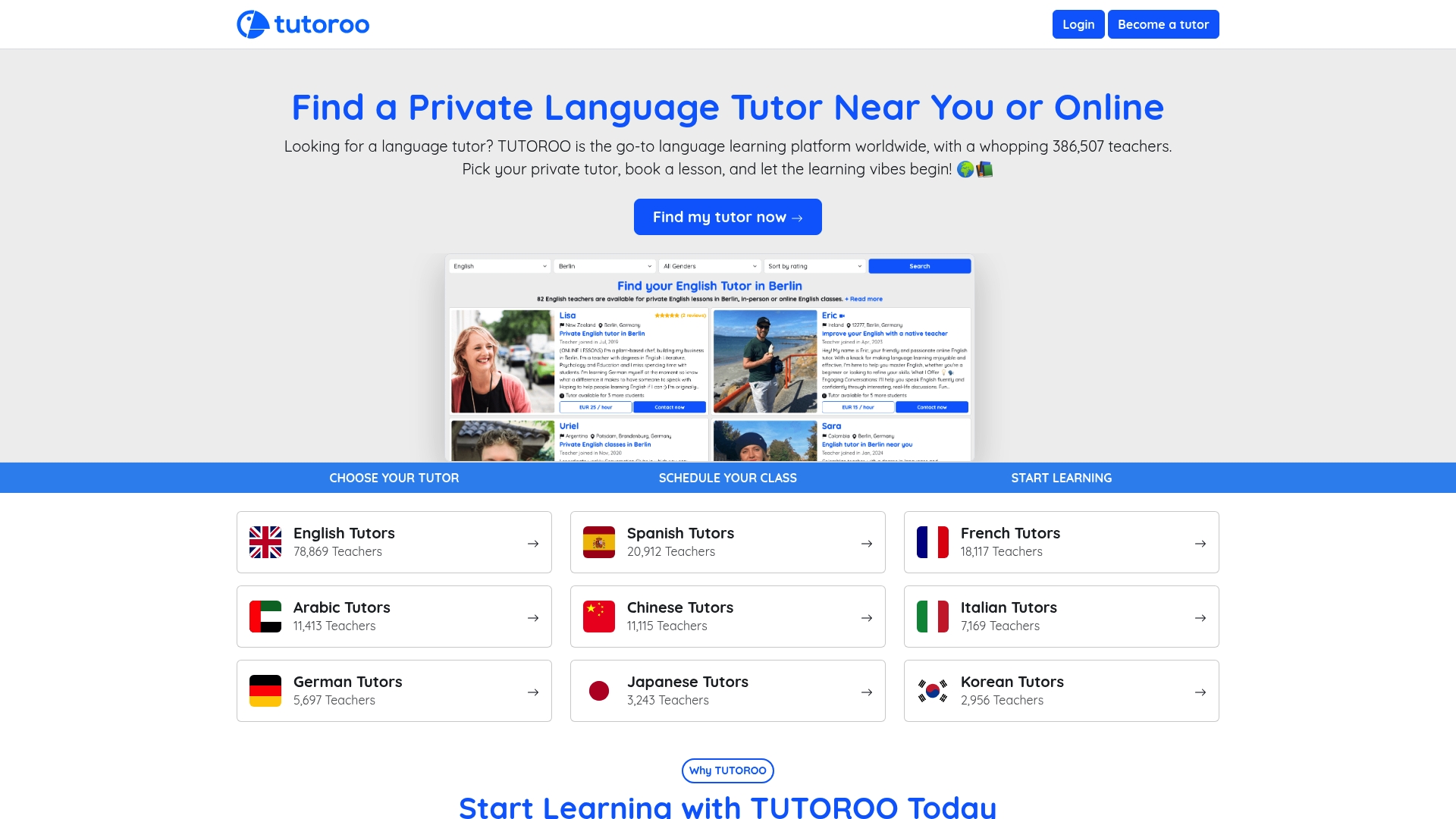
TUTOROO connects students and parents with over 386,000 language tutors worldwide, making it straightforward to find the right expert for your specific exam and language goals. Whether you need support in English, French, Spanish, Mandarin, or a less commonly taught language, the platform lets you search by language, location, and availability. For those preparing for Malay language exams, Malay tutor options are available with tutors who understand the exam requirements inside and out. Explore all private tutor options on TUTOROO and take the first confident step towards exam readiness with personalised, expert support behind you.
Frequently asked questions
Do tutors really improve exam results for language subjects?
Tutoring improves pass rates and scores, particularly when sessions are high-dosage and targeted at the specific skills assessed in the exam. The effect is consistent across a broad range of language subjects and exam types.
Is human tutoring better than using AI tools or self-study?
Human tutors excel in nuance and empathy, while AI tools are faster for basic drills but less effective at complex exam preparation. Combining both methods typically produces the strongest outcomes for language learners.
How can I find a language tutor suitable for my exam needs?
Choose based on exam requirements, teaching style, tutor credentials, and whether the tutor offers a personalised learning plan. Tutoring effectiveness depends on fit between the student's needs and the tutor's approach, so a trial session is always worthwhile.
Are blended approaches (tutor plus technology) worth it?
Hybrid models are recommended for balancing speed, structure, and motivational support, especially in language subjects where both drilling and nuanced feedback are essential for exam success.