

TL;DR:
- Preparing necessary qualifications, reliable equipment, and a complete profile are essential for consistent online tutoring success.
- Choosing secure payment methods, establishing clear agreements, and implementing trustworthy systems maximize earnings and protect against payment issues.
Turning your language expertise into a reliable income stream is one of the most rewarding moves you can make as a tutor, yet many skilled educators struggle to make it work consistently. The global demand for personalised language instruction has never been stronger, and online platforms now open doors to students across every time zone, culture, and learning goal. Whether you teach English, Spanish, Mandarin, or Arabic, this guide walks you through everything you need to know, from setting up your profile and payment systems to protecting yourself from common pitfalls and growing your earnings sustainably.
Table of Contents
- What you need before you start tutoring online
- Step-by-step guide to getting paid as a tutor
- Avoiding common pitfalls in tutor payments
- Maximising your earnings and flexibility as a language tutor
- What most tutors miss about getting paid online
- Get started and grow with TUTOROO
- Frequently asked questions
Key Takeaways
| Point | Details |
|---|---|
| Preparation is key | Registering, setting up payments, and creating a complete profile ensures you get paid efficiently. |
| Choose safe payment systems | Reliable platforms and payment escrow protect tutors from risks and delays. |
| Maximise flexibility and income | Tutoring internationally increases earnings and allows for adaptable working hours. |
| Avoid pitfalls | Setting clear payment terms and using secure systems helps avoid scams and late payments. |
| Legal and tax awareness | Understand your obligations as a self-employed tutor to avoid future complications. |
What you need before you start tutoring online
Once you understand the opportunity, it's vital to prepare by ensuring you meet all the requirements to tutor online. Jumping in without the right foundations in place is one of the most common reasons tutors fail to earn consistently, even when they are genuinely talented teachers.
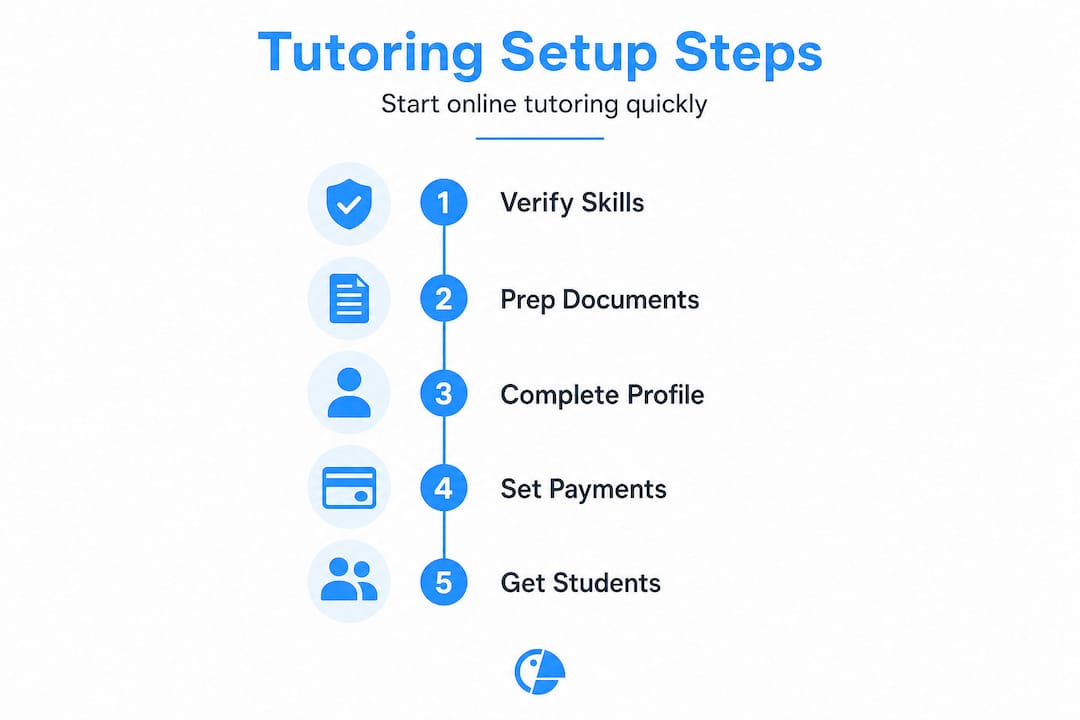
The first thing to sort out is your language proficiency documentation. Many students, especially those preparing for exams or professional environments, want evidence that their tutor is qualified. A recognised certification, a university degree in languages, or even documented native-speaker credentials all help build trust. Beyond qualifications, you need a stable internet connection, a quality microphone or headset, and a well-lit, quiet space for lessons. These technical details sound small, but they directly affect your professional image.
Equally important is your platform profile. Tutor registration tips can make a significant difference here. Language tutors must register on platforms like TUTOROO to attract international students, and an incomplete or vague profile is one of the biggest barriers to getting booked. Think of your profile as your digital storefront. A clear photo, a warm introduction, specific languages you teach, your availability, and your hourly rate all need to be present and easy to read.
Essential prerequisites checklist
Before accepting your first student, confirm you have all of the following in order:
- Language proficiency evidence: Certification, degree, or native speaker status clearly stated
- Platform registration: Full profile completed with photo, bio, and teaching languages
- Payment setup: A verified payment method linked to your account (bank transfer, PayPal, or similar)
- Teaching tools: Reliable video conferencing software, digital whiteboard access, and shared document capability
- Availability schedule: Clearly listed time slots that account for your time zone and your students' locations
- Clear rate structure: Hourly rates, package pricing, and cancellation policies stated upfront
Quick comparison: profile completion vs booking rates
| Profile element | Incomplete profile | Complete profile |
|---|---|---|
| Photo included | Low trust signal | High trust signal |
| Hourly rate listed | Students move on | Immediate clarity |
| Languages specified | Missed search matches | Higher visibility |
| Teaching bio present | Generic impression | Personal connection |
| Availability shown | Friction to book | Seamless booking |
Common mistakes at this stage include leaving the payment section blank, writing a bio that is too short to be convincing, and failing to specify whether lessons are conducted online, in person, or both. Take the time to get these right before you promote yourself to students.
Step-by-step guide to getting paid as a tutor
With your prerequisites in order, you're ready to systematically organise how you'll get paid as a tutor. The process is straightforward once you break it into clear stages, and getting it right from the start means fewer disputes and more consistent income.
Various payment systems shape tutoring experiences and affect both safety and reliability, so choosing the right method matters. Equally, online tutoring payments need to be managed carefully for remote lessons to run smoothly over time.
Step-by-step payment setup
- Register and verify your account on your chosen platform. On TUTOROO, this involves submitting your profile details and confirming your identity.
- Link a payment method. Choose from bank transfer, PayPal, or any escrow system the platform supports. Bank transfers are best for larger regular payments. PayPal suits one-off or international transactions well.
- Set your rate clearly. List your hourly rate and any discounted package rates on your profile. Vague pricing causes friction before a lesson even starts.
- Confirm bookings in writing. When a student contacts you, confirm the lesson time, duration, and total cost via the platform's messaging system before the session.
- Deliver the lesson and log completion. Note lesson completion immediately after each session. This is essential if using escrow, where funds are released upon confirmed delivery.
- Request or receive payment. Depending on your agreement, either invoice the student or allow the platform to release payment automatically. Always confirm receipt within 48 hours.
- Record all transactions. Keep a simple spreadsheet of lesson dates, student names, rates, and payment status. This protects you come tax time and helps track outstanding amounts.
Comparison of common payment methods
| Payment method | Speed | International use | Security | Best for |
|---|---|---|---|---|
| Bank transfer | 1 to 3 days | Possible, fees vary | High | Regular students |
| PayPal | Same day | Excellent | Medium to high | International, one-off |
| Platform escrow | On lesson completion | Built into platform | Very high | New students |
| Cryptocurrency | Near instant | Global | Variable | Tech-savvy clients |
The ways tutors get paid vary widely depending on location and platform, but platform escrow is generally the safest starting point for new tutoring relationships. It protects both parties and removes the awkwardness of chasing payment after a lesson.
Pro Tip: Always confirm lesson completion in writing through the platform before triggering a payment request. A simple message saying "Thank you for today's session, payment for this lesson will now be processed" creates a paper trail and keeps expectations clear.
Avoiding common pitfalls in tutor payments
Knowing the process is one thing; staying cautious in practice is another. Let's explore potential pitfalls and how to steer clear of them before they cost you time or money.
The most common issues tutors encounter include delayed payments, outright non-payment, unclear rate agreements, and, in rarer cases, outright scams. Being aware of these risks is the first step toward protecting yourself. Safe and reliable payments require structured agreements from the very beginning of any tutoring relationship.
Common payment pitfalls and how to avoid them
- Delayed payments: Require a partial upfront deposit for new students, particularly for multi-lesson packages. This filters out unreliable clients early.
- Vague rate agreements: Always state your rate before a lesson begins. Never assume a student understands pricing from a previous conversation.
- Scam booking requests: Be wary of students who offer to overpay and ask for a refund of the difference. This is a well-known scam pattern. Always use safe payment systems via verified platforms.
- Informal arrangements: Avoid moving payment communications off the platform, especially early in a relationship. Platform records protect you if a dispute arises.
- No cancellation policy: Define your cancellation and no-show policy upfront. Without it, you risk losing income with no recourse.
Refer to the complete payment guide for a thorough breakdown of how to structure agreements from day one. For broader payment safety advice, TUTOROO's resource library is a good starting point.
"Ambiguous payment terms are the root of most tutor-student disputes. Setting clear expectations upfront, including rate, schedule, and cancellation policy, is not just good practice. It is the foundation of a professional tutoring relationship." This truth applies regardless of whether you are working locally or across international time zones.
Pro Tip: Use a simple written agreement or even a brief message exchange before the first lesson confirming the rate, schedule, and cancellation terms. Revisit these terms whenever you take on a new package or adjust your pricing.
Maximising your earnings and flexibility as a language tutor
Now that you've avoided common mistakes, let's look at how to maximise your earning potential while keeping your work flexible. This is where strategic thinking really pays off, often quite literally.
Flexible work on international platforms expands your reach significantly and has a measurable impact on average tutor earnings. When you open yourself to students across time zones rather than limiting lessons to your local area, you dramatically widen your potential client base. Tutors on global platforms who offer flexible scheduling report higher booking rates and more consistent weekly income compared to those who limit availability to standard business hours in a single region.
Strategies for maximising your earnings
- Choose the right platform. Not all tutoring platforms are equal in terms of reach, commission structure, and student quality. Opt for platforms with a strong international presence and transparent fee models. Explore global tutoring opportunities to see where demand is strongest for your language.
- Set competitive yet sustainable rates. Research what other tutors with similar experience charge. Tips on setting payment rates can help you find the sweet spot between attracting students and valuing your expertise appropriately.
- Upsell complementary services. Offer exam preparation modules, pronunciation coaching, or business language packages as add-ons. These premium services command higher rates and increase the value each student receives from working with you.
- Build long-term student relationships. Retention is more profitable than constantly acquiring new students. A student who books weekly lessons for six months generates far more income than ten one-off students.
- Diversify lesson formats. Offer group lessons at a slightly lower individual rate. Group sessions increase your hourly income while providing students with a more affordable option.
- Ask for referrals. Happy students often know others who want to learn the same language. A simple, friendly request can open new client relationships at no cost to you.
Tax and legal considerations you cannot ignore
Understanding your obligations as a self-employed tutor is not optional. Tutor tax and legal tips outline the key considerations, including how to register as self-employed, what expenses you can claim, and how to manage income from multiple countries. Self-employed tutoring comes with real tax responsibilities, and staying compliant protects your income and your reputation over the long term.

Keep records of all income and relevant expenses, including your internet connection, teaching software subscriptions, and any professional development courses you complete. In Australia, the ATO (Australian Taxation Office) requires self-employed individuals to declare all income, including earnings from international platforms. In other countries, rules will vary, so seek local advice if you are unsure.
A note on international earnings: When students pay you from overseas, currency conversion fees and international transfer charges can quietly erode your income. Factor these costs into your rate, or use payment platforms that minimise foreign exchange fees.
What most tutors miss about getting paid online
There is a tendency among new tutors to fixate almost entirely on their hourly rate. It makes sense on the surface. Higher rate equals more money. But experienced tutors know this is only part of the picture.
The real difference between tutors who earn consistently and those who constantly scramble for students comes down to systems. A reliable, clearly documented payment process signals professionalism to prospective students before the first lesson even happens. When students see that you have a defined rate, a clear cancellation policy, and a structured booking process, they trust you more. Trust converts enquiries into bookings.
Tutor best practices consistently point to client retention as the most underrated factor in tutor income. Keeping a student engaged for three months is worth more than landing five new students who each take one lesson. This means following up after lessons, tracking student progress, and adapting your approach to their evolving goals.
There is also something to be said for the psychological dimension of payment conversations. Many tutors feel uncomfortable discussing money with students. This discomfort leads to vague rates, missed invoices, and awkward follow-ups. The solution is to make payment information a structural part of your onboarding process, something you establish before the relationship begins, not after.
In short, the tutors who thrive online are not always the most qualified or the most experienced. They are the ones who have built predictable, trustworthy systems around how they teach and how they get paid. Build those systems early, and your income will reflect it.
Get started and grow with TUTOROO
Putting these strategies into action is easier when you have the right platform behind you. TUTOROO connects tutors with international students who are genuinely motivated to learn, offering a flexible, community-driven environment that supports both your teaching goals and your income.
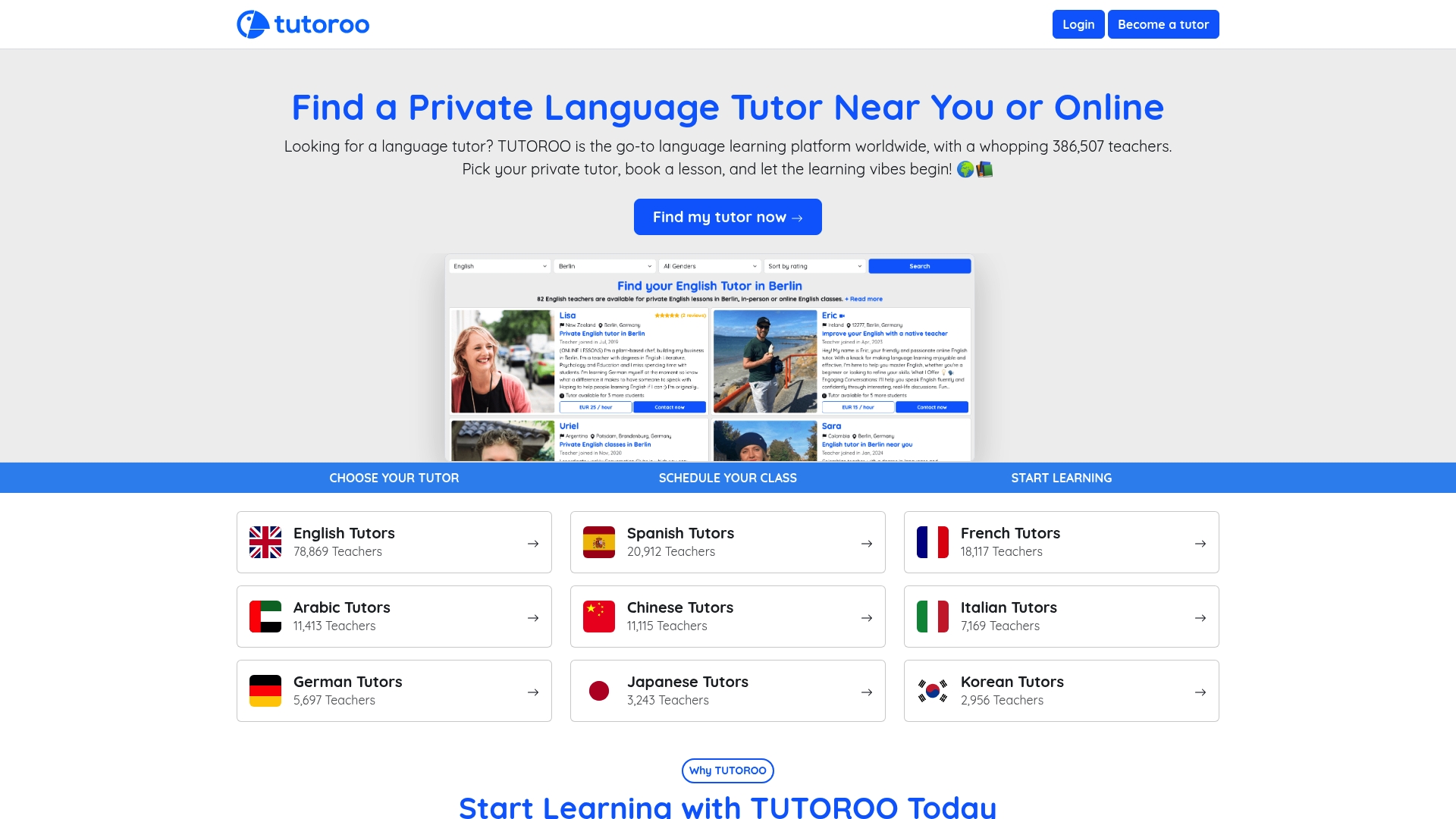
Whether you are a native speaker or a certified language professional, becoming a tutor on TUTOROO gives you access to a global community of learners across dozens of languages and regions. If you specialise in Southeast Asian languages, for example, there are dedicated Malay tutor opportunities waiting to be explored. With over 386,000 tutors already part of the TUTOROO community, the platform offers the scale, the tools, and the student base to help you turn your language skills into a meaningful, flexible career. Your next student is closer than you think.
Frequently asked questions
How do I receive payments as a tutor on TUTOROO?
Tutors receive payments directly from students, typically using secure systems such as bank transfers, PayPal, or platform escrow. Choosing the right method depends on your location and how you want to manage remote tutoring payments.
What should I do if students delay payments?
Request an upfront deposit or use platform payment features to reduce the risk of delayed payments before issues arise. Structured payment agreements make this process straightforward and professionally handled.
What are the best ways for tutors to maximise earnings?
Choose flexible international platforms, set competitive rates based on research, and offer premium services such as exam preparation or business language coaching. International platform access consistently boosts earning potential.
Do tutors need to consider taxes for their earnings?
Yes, tutors must always check their legal and tax obligations when receiving payments, particularly when self-employed or earning from overseas students. Self-employed tutoring obligations vary by country, so local professional advice is always recommended.