
TL;DR:
- Most online language tutors only need fluency and enthusiasm to start teaching.
- Certifications are optional, and success depends more on teaching style and personality.
- Starting early, focusing on building a strong profile, and gaining experience leads to growth.
Teaching a language you love is one of the most rewarding ways to earn a flexible income, and the good news is that you often do not need a formal degree to get started. Many aspiring tutors hold back, convinced they need stacks of credentials before they can teach their first student. In reality, fluency, enthusiasm, and a clear plan can open doors to culture, connection, and opportunity far sooner than most people expect. This guide walks you through every practical step, from understanding what qualifications actually matter, to choosing the right platform, building a compelling profile, and running your first successful lessons.
Table of Contents
- Understand the requirements for language tutoring
- Choose your teaching platform and tutoring model
- Create your tutor profile and build credibility
- Launch your first lessons and grow as a tutor
- What most aspiring tutors get wrong and how to do better
- Start your tutoring journey with TUTOROO
- Frequently asked questions
Key Takeaways
| Point | Details |
|---|---|
| No degree required | Most online platforms let you tutor languages without formal teaching qualifications. |
| Certifications are optional | Credentials like TEFL or CRLA help but are only necessary for formal institutions. |
| Platform choice affects earnings | Marketplaces take a commission but provide students; independent tutoring offers more take-home pay but requires self-marketing. |
| Profile quality drives success | A professional, appealing tutor profile and teaching video can make a big difference in attracting students. |
| Growth needs planning | Launching lessons, refining teaching style, and gathering testimonials are crucial steps for building a sustainable tutoring career. |
Understand the requirements for language tutoring
Before you set up a profile or contact your first student, it helps to know exactly what qualifications the industry expects. The honest answer is that it depends on where you want to teach.
For most online marketplaces, the core requirement is language fluency. Platforms typically look for native speakers or learners who have reached C1 or C2 level on the CEFR fluency scale, which represents advanced to mastery-level command of a language. If you can hold a nuanced conversation, explain grammar intuitively, and correct errors with confidence, you are likely ready.
Formal institutions, schools, and corporate language programmes usually ask for more. They may require a recognised teaching qualification, a university degree, or both. Here is a quick overview of the most widely recognised certifications:
- TEFL (Teaching English as a Foreign Language): Widely accepted for English tutoring worldwide
- TESOL (Teaching English to Speakers of Other Languages): Valued in academic and institutional settings
- CRLA (College Reading and Learning Association): Respected for tutoring in higher education contexts
- NTA (National Tutoring Authority) certification: Recognised credential for professional tutors across subjects
These tutor certifications and credentials are genuinely useful for building authority, but they are not always mandatory. The table below clarifies what is typically essential versus optional depending on your tutoring path.
| Tutoring path | Essential | Optional but helpful |
|---|---|---|
| Online marketplace (e.g. iTalki, Preply) | C1/C2 fluency or native speaker | TEFL, TESOL, teaching experience |
| Independent private tutor | Fluency, strong communication | Any certification, portfolio |
| School or institution | Degree, formal teaching licence | CRLA, NTA credential |
| Corporate language training | Relevant experience, fluency | ACTFL, TESOL, business language cert |
If you are aiming for institutional roles, exploring ACTFL teaching credentials is a worthwhile step. For online platforms, your personality and effective teaching methods will often matter more than a certificate.
Pro Tip: If you are just starting out, consider completing a short online TEFL course. Many reputable providers offer 20 to 40-hour courses for under $100, which can meaningfully strengthen your profile without a large time or financial commitment.
Choose your teaching platform and tutoring model
Once you are clear on requirements, the next step is deciding how and where to offer your tutoring services. The two main paths are joining an established marketplace or setting up independently.
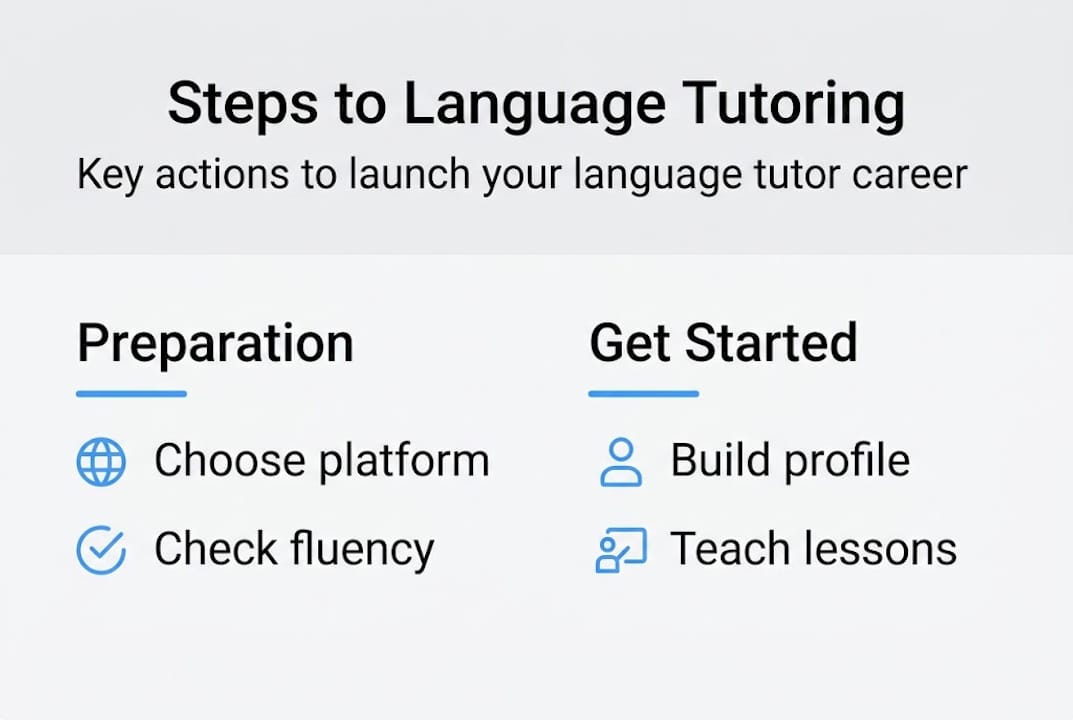
Marketplace platforms connect you with students quickly and handle payment processing, scheduling tools, and marketing. The trade-off is a commission fee. Here is how some popular platforms compare:
| Platform | Commission rate | Approx. hourly rate | Entry barrier |
|---|---|---|---|
| iTalki | 15% | $10–$50 | Low, no formal cert needed |
| Preply | 18–33% | $15–$60 | Low to moderate |
| Cambly | Flat rate model | ~$10–$12 | Very low, native English only |
| Twenix | Revenue share | $15–$40 | Moderate, interview required |
According to platform commission data, rates and earning potential vary significantly, with tutors on competitive platforms earning anywhere from $4 to $60 per hour depending on experience, niche, and demand. Commission anxiety is real, but a platform's built-in student base often compensates for the fee.
Independent tutoring gives you full control over pricing, scheduling, and teaching style. The challenge is finding students yourself, which requires more upfront effort in marketing and networking. Many experienced tutors start on a marketplace to build reviews and confidence, then transition to independent work.
Here is a simple process for getting started on a marketplace platform:
- Research platforms that support your target language and teaching style
- Review their tutor requirements and application process
- Prepare your profile materials (photo, introductory video, credentials)
- Submit your application and complete any required trial lesson or interview
- Set your availability and pricing before going live
For a broader view of your options, comparing local vs online tutoring models can help you decide which suits your lifestyle. You can also explore language platform alternatives if mainstream marketplaces do not feel like the right fit. The tutor pathway information from the National Tutoring Authority is another useful resource for understanding your options.
The best platform is the one you will actually use consistently. A modest commission on a platform that keeps you busy is worth far more than zero commission on a platform where you struggle to find students.
Pro Tip: Start with one platform only. Spreading yourself across three or four marketplaces at once dilutes your focus and makes it harder to build momentum with reviews and ratings.
Create your tutor profile and build credibility
After choosing a platform or path, it is time to craft your public profile for attracting students. Your profile is your first impression, and it does a lot of heavy lifting before you ever speak to a potential student.
A strong tutor profile typically includes:
- A clear, friendly profile photo: Natural lighting and a warm expression build immediate trust
- An introductory video: Even 60 to 90 seconds of you speaking naturally in the language you teach can significantly increase enquiries
- A concise teaching style description: Students want to know what a lesson with you actually feels like
- Your language fluency level and any relevant credentials: Be specific and honest
- Testimonials or reviews: Even one or two early reviews make a meaningful difference
As a newcomer, you may not have testimonials yet. That is completely fine. Starting as a community tutor on platforms like iTalki, where you offer informal conversation practice rather than structured lessons, is a recognised and respected way to build your review base before positioning yourself as a professional tutor.

Credibility is not only about formal credentials. Students respond to authenticity. Describe your own language learning journey if it is relevant. Explain why you love teaching. Share the kinds of students you work best with, whether that is beginners, business professionals, or exam candidates. Linking to recognised tutor credentials in your profile description, where the platform allows it, adds another layer of trust.
For practical inspiration, reviewing online tutoring examples from successful tutors can show you what works. You can also use a step-by-step tutoring setup guide to make sure you have not missed anything before going live.
Pro Tip: Record your introductory video in the language you teach, not just in English. It immediately demonstrates your fluency and sets you apart from tutors who only describe their skills in writing.
Launch your first lessons and grow as a tutor
With your profile live and visible, you are ready to launch your first lessons and grow your career. The first few sessions are the most important, not because they need to be perfect, but because they set the tone for your teaching relationship.
Here is a practical process for running your first lessons well:
- Send a welcome message to new students before the session, asking about their goals and current level
- Prepare a flexible lesson plan that can adapt to the student's needs on the day
- Begin with a short diagnostic activity to understand their strengths and gaps
- Keep the session conversational and encouraging, especially for nervous beginners
- Close with a clear summary of what was covered and what comes next
Common pitfalls to watch for in your early lessons include:
- No-shows: Confirm lessons 24 hours in advance with a brief message
- Unclear student goals: Ask directly what the student wants to achieve in the first session
- Technical issues: Test your audio, video, and internet connection before every lesson
- Over-preparing: Rigid lesson plans can feel stiff; build in flexibility
Growth as a tutor comes from consistency and feedback. Encourage students to leave reviews after their first few sessions. Seek out a niche, such as business language, exam preparation, or travel conversation, because tutoring growth strategies consistently show that specialised tutors attract more committed students. The benefits of private tutoring are well documented, and students who understand this value are more likely to book regularly.
Following tutoring best practices from the outset also helps you avoid common mistakes that slow early-career tutors down. According to tutor development guidance, tutors who actively seek feedback and pursue ongoing professional development consistently outperform those who treat their first certification as the finish line.
Pro Tip: After your first ten lessons, review your notes and identify the two or three moments where students were most engaged. Build more of your future lessons around those moments.
What most aspiring tutors get wrong and how to do better
Here is something the standard advice rarely says out loud: most aspiring tutors wait far too long to start. They convince themselves they need one more certificate, one more course, or one more year of experience before they are ready. In reality, certifications are largely optional for online marketplaces, and the tutors who start early and learn on the job almost always outpace those who over-prepare.
Commission anxiety is another common trap. New tutors fixate on platform fees and feel they are being short-changed. But a 20% commission on a platform that delivers you ten students a month is a far better outcome than 0% commission and an empty calendar.
The most underrated factor in tutoring success is teaching style, not paper qualifications. Students leave reviews about how a tutor made them feel, not about the tutor's credentials. Warmth, patience, adaptability, and genuine enthusiasm for the language are what keep students coming back. Choosing the right tutoring path matters, but so does showing up with energy and care every single session.
Start your tutoring journey with TUTOROO
If you are ready to turn your language skills into a rewarding tutoring career, TUTOROO makes it straightforward to get started. With over 386,000 language teachers already on the platform, TUTOROO connects tutors with students locally and online across the globe.
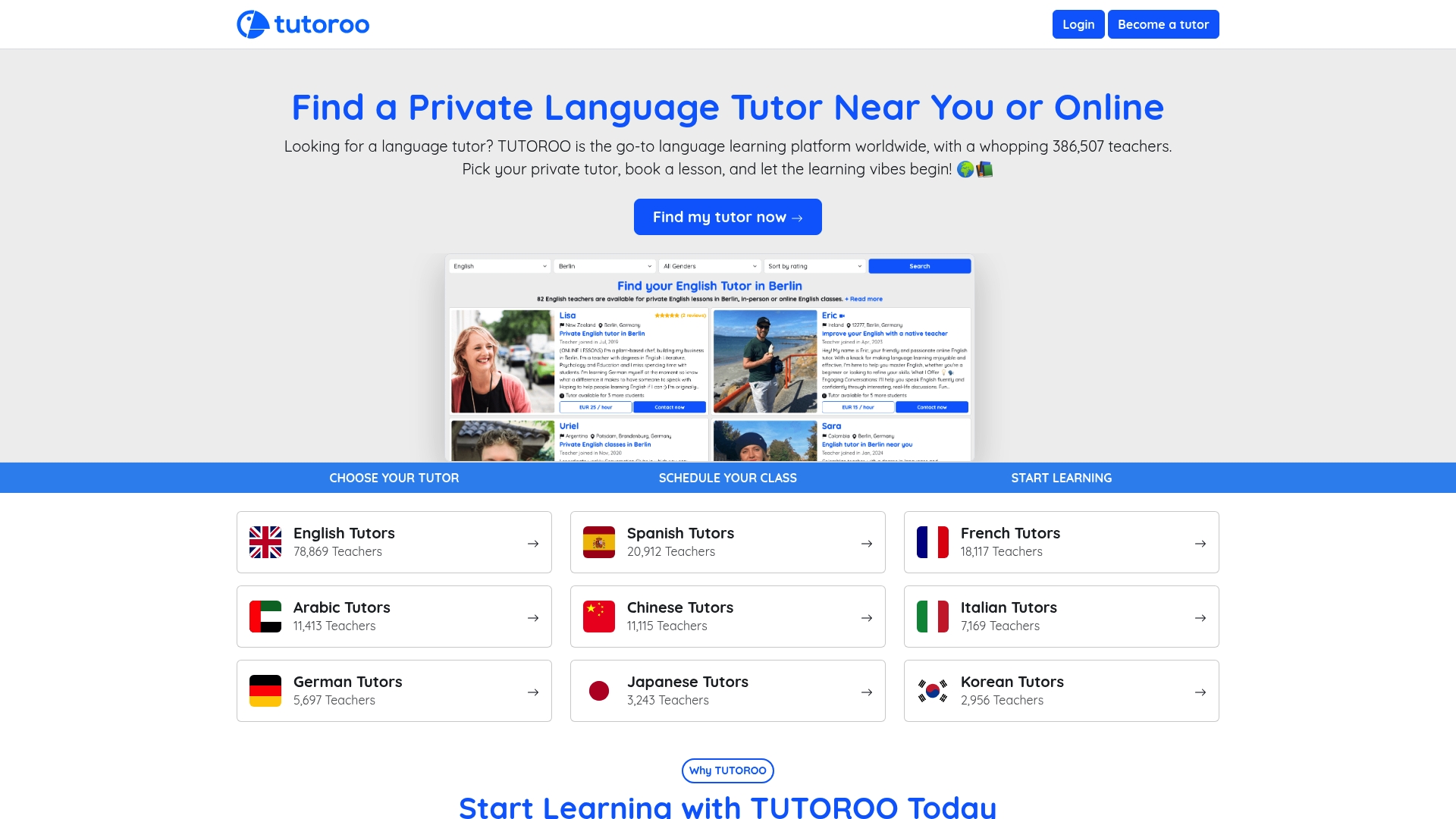
Whether you want to offer English tutoring opportunities or explore Lebanese tutoring opportunities, TUTOROO gives you the tools to set your own schedule, showcase your credentials, and receive payments directly from students. It is a flexible, community-driven platform built for tutors who are serious about making meaningful connections. Become a tutor with TUTOROO today and take the first step towards a career that opens doors to culture and connection.
Frequently asked questions
Do I need a teaching degree to become a language tutor?
Most online tutoring platforms do not require a formal teaching degree. Fluency in the language and basic teaching skills are typically sufficient to get started.
Is certification required to tutor languages online?
Certifications are largely optional for online marketplaces, though they become more important if you wish to teach in schools, universities, or corporate settings.
How much can I earn as a language tutor?
Hourly rates range from $4 to $60 depending on the platform, your experience level, and applicable commission fees.
What language fluency level is needed?
Most platforms prefer native-level or C1/C2 CEFR fluency, which represents advanced to mastery-level command of the language.
How do I attract students as a new tutor?
A compelling profile, a genuine introductory video, and applying proven tutoring methods are the most effective ways to stand out and attract your first students.