

Paying a private language tutor shouldn't feel like solving a puzzle, yet many learners and parents face confusion about secure methods, international fees, and reliable platforms. Whether you're preparing for travel, supporting your child's education, or pursuing exam success, knowing how to pay tutors efficiently protects your money and builds trust. This guide walks you through practical payment methods, platform choices, tax basics, and strategies to avoid costly mistakes. By the end, you'll confidently handle tutor payments with clarity and ease.
Table of Contents
- Choosing The Right Payment Approach For Your Language Tutor
- Step-By-Step Payment Methods For Language Learners
- Avoiding Common Payment Mistakes And Late Payments
- Tax Considerations For Tutors And Payers In 2026
- Find Your Ideal Private Language Tutor Today
- What Payment Methods Are Safest For International Language Tutoring?
- How Can I Avoid Late Payments To My Language Tutor?
- What Tax Rules Should Language Tutors Know In 2026?
Key takeaways
| Point | Details |
|---|---|
| Platform integration saves time | Using tutoring platforms with built-in payments reduces admin work by over 60% and prevents billing errors. |
| Multiple payment methods available | Options include Wise, PayPal, bank transfers, local methods, and cryptocurrency depending on location and preference. |
| Clear contracts prevent disputes | Signed service agreements cut payment disputes by more than 50% and ensure everyone understands terms upfront. |
| Tax reporting is mandatory | Tutors must report income accurately and can deduct ordinary business expenses to reduce taxable amounts. |
| Late payments are common | 43% of education invoices are paid late, making automated reminders and clear deadlines essential for smooth transactions. |
Choosing the right payment approach for your language tutor
Before you send your first payment, take time to evaluate the platform and method that best fits your situation. Using tutoring platforms with integrated payments reduces admin time by over 60% and prevents revenue leaks that occur when scheduling, billing, and payments operate separately. Solo tutors often rely on marketplaces like Wyzant or independent arrangements, while larger tutoring centers typically use unified systems that handle everything from lesson booking to invoicing. These integrated solutions eliminate manual entry errors and provide automatic payment confirmations.
Security matters enormously when transferring money internationally or domestically. Established payment platforms protect your financial information through encryption and fraud monitoring that individual arrangements cannot match. Your location and your tutor's location significantly influence which payment options work best. A learner in California paying a tutor in Spain faces different considerations than someone in Vietnam working with a local instructor. Currency conversion fees, transfer speeds, and platform availability all vary by region.
Pro Tip: Integrated payment systems automatically generate receipts and payment histories, making tax season far less stressful for both tutors and learners while reducing disputes about whether payments were received.
Before sending any payment, confirm these critical details:
- The exact amount in the correct currency
- Any processing fees you or your tutor will pay
- Required payment references or invoice numbers
- Expected processing time for the payment to arrive
- Confirmation method you'll receive after payment completes
Platforms like Tutoroo simplify this entire process by connecting learners with qualified language tutors while handling payments securely through their system. This removes guesswork and lets you focus on learning rather than payment logistics.
Step-by-step payment methods for language learners
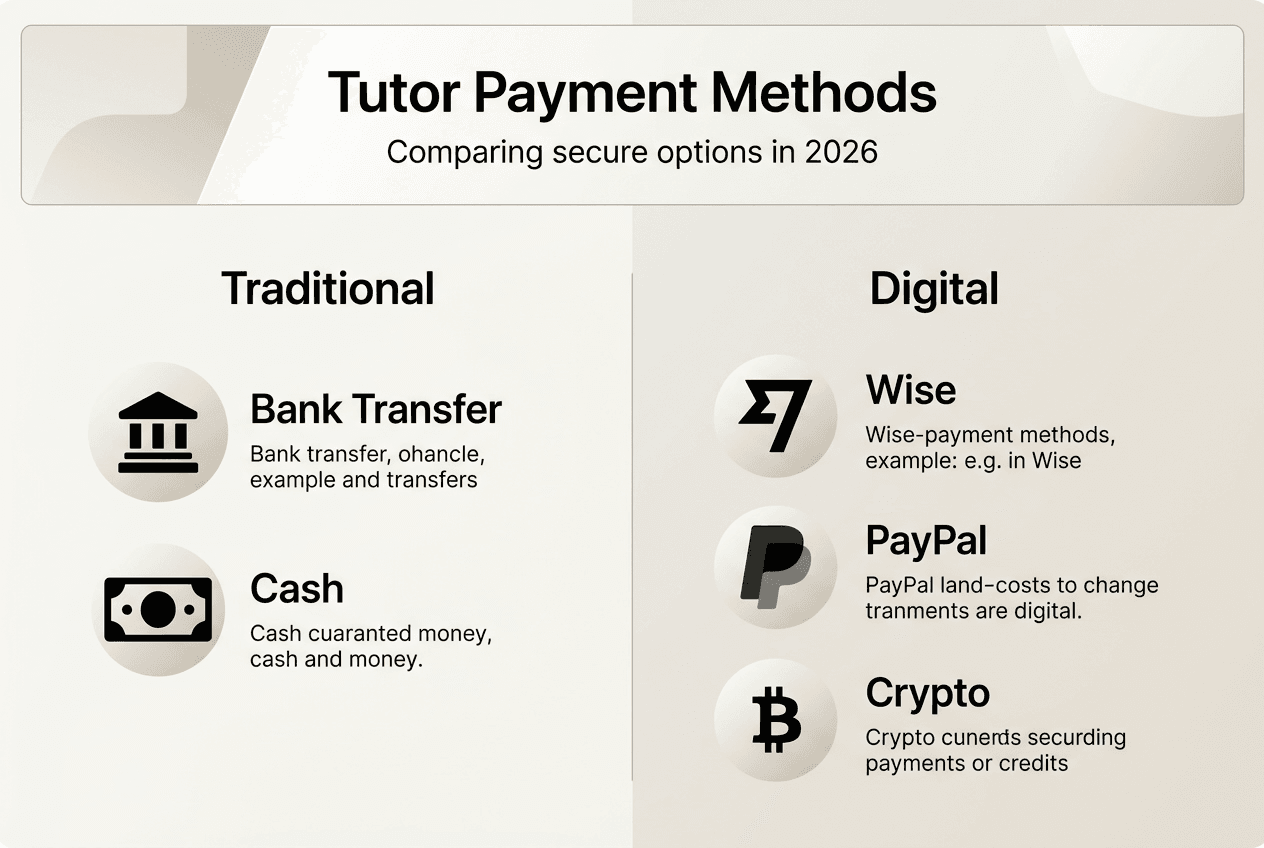
Understanding your payment options empowers you to choose methods that balance cost, speed, and convenience. Here's a comparison of the most reliable approaches:
| Method | Best For | Typical Fees | Processing Time | Security Level |
|---|---|---|---|---|
| Bank Transfer | Large amounts, established relationships | $15 to $45 per transfer | 3 to 5 business days | High |
| Wise | International payments | 0.5% to 2% of amount | 1 to 2 business days | Very High |
| PayPal | Quick online payments | 2.9% plus fixed fee | Instant to 24 hours | High |
| Local Bank (Vietnam) | Domestic Vietnamese payments | Free to minimal | Instant | High |
| USDT Stablecoin | Tech-savvy users, crypto-friendly tutors | Network fees ($1 to $20) | Minutes to hours | Medium to High |
International transfers via Wise offer lower fees and faster processing than traditional bank transfers, making them ideal for cross-border tutoring arrangements. To send money through Wise, create an account, select the recipient's country and currency, enter the amount, add your tutor's bank details or email, and include any invoice numbers in the payment reference field. Wise shows you the exact exchange rate and fees upfront, eliminating surprise charges.
PayPal provides convenience for cross-border payments but charges higher fees and uses less favorable currency conversion rates than specialized transfer services. Always confirm the final amount your tutor will receive before completing a PayPal transaction, as fees can vary based on whether you send money as a purchase or personal payment. Select the friends and family option only when appropriate, as business transactions offer better buyer and seller protections.
For learners and tutors in Vietnam, domestic bank transfers and QR codes are most cost-effective and process instantly. Major Vietnamese banks support real-time transfers through mobile apps, making it simple to pay your Vietnamese tutor without international fees or delays. Simply scan the tutor's payment QR code or enter their account number, confirm the amount, and receive instant confirmation.

Cryptocurrency payments using USDT (a stablecoin pegged to the US dollar) appeal to tech-savvy learners and tutors who want fast international transfers with lower fees than traditional methods. If you and your tutor agree to use crypto, confirm which blockchain network to use (Ethereum, Tron, or Binance Smart Chain), as sending to the wrong network can result in lost funds. Transaction fees vary significantly by network, with Tron typically offering the lowest costs.
Pro Tip: When paying with cryptocurrency, immediately share the transaction ID (hash) with your tutor so they can track the payment on the blockchain explorer and confirm receipt without delays or confusion.
Avoiding common payment mistakes and late payments
Payment errors frustrate both learners and tutors, creating unnecessary stress and damaging working relationships. The most frequent mistakes include entering incorrect bank account numbers, forgetting to include invoice references, sending amounts in the wrong currency, and missing agreed payment deadlines. Double-check every detail before confirming any transfer, as reversing payments often involves lengthy processes and additional fees.
Research shows 43% of invoices in education are paid late, creating cash flow problems for tutors who depend on timely payments to cover their expenses. Late payments force tutors to spend time sending reminders instead of preparing lessons, ultimately affecting the quality of instruction you receive. Respecting payment deadlines demonstrates professionalism and helps maintain a positive learning relationship.
Clear signed contracts dramatically reduce payment disputes and misunderstandings. Tutoring agencies cut disputes by more than half using written service agreements that specify lesson rates, payment schedules, cancellation policies, and refund terms. Even informal tutoring arrangements benefit from a simple written agreement that both parties sign or acknowledge electronically. This protects everyone involved and provides a reference point if questions arise later.
Communicate payment expectations clearly before starting lessons. Discuss whether you'll pay per lesson, weekly, or monthly, which payment method works best for both parties, and what happens if you need to cancel or reschedule. Transparency prevents assumptions that lead to conflicts.
Common actions that prevent payment problems:
- Set calendar reminders two days before payment due dates
- Keep a dedicated folder or app for tutoring invoices and receipts
- Confirm receipt of payment with your tutor after each transaction
- Address any payment concerns immediately rather than letting them accumulate
- Use platforms with automated invoicing to eliminate manual tracking errors
Platforms recognized as the best for tutors typically include features that automate payment reminders and generate professional invoices, reducing the administrative burden on both learners and instructors. These systems create accountability and make it nearly impossible to forget or misplace payment information.
"Clear payment agreements and automated systems transform tutoring from a source of financial stress into a smooth, professional exchange that benefits everyone involved."
Tax considerations for tutors and payers in 2026
Understanding tax responsibilities protects tutors from legal problems and helps learners make informed decisions about their educational expenses. Tutoring income is subject to federal tax and requires accurate IRS reporting, regardless of whether tutors work independently or through platforms. Tutors must report all income received, including cash payments, electronic transfers, and any other compensation for services rendered.
Self-employed tutors can deduct ordinary and necessary expenses from their taxable income, reducing the amount they owe. Ordinary expenses are common and accepted in the tutoring industry, while necessary expenses are helpful and appropriate for the business. Examples include teaching materials like textbooks and workbooks, software subscriptions for video conferencing or scheduling, office supplies such as notebooks and pens, internet service costs directly related to online tutoring, and professional development courses that improve teaching skills.
Keeping detailed records of all income and expenses throughout the year makes tax filing far simpler and more accurate. Tutors should maintain digital or physical copies of invoices sent to students, receipts for business purchases, bank statements showing tutoring income deposits, and mileage logs if traveling to students' homes. Organized records also provide evidence if the IRS ever questions reported amounts.
Self-employed individuals must pay estimated taxes if they owe $1,000 or more in tax for the year. These quarterly payments cover both income tax and self-employment tax (Social Security and Medicare). Tutors calculate estimated taxes using Form 1040-ES and submit payments in April, June, September, and January. Missing estimated payments results in penalties and interest charges that increase the total tax burden.
Key tax responsibilities for tutors:
- Report all tutoring income on Schedule C (Form 1040)
- Pay self-employment tax on net earnings over $400
- Make quarterly estimated tax payments if owing over $1,000
- Deduct eligible business expenses to reduce taxable income
- Keep records for at least three years after filing
Learners paying tutors generally do not need to report these payments on their own tax returns unless the tutor is a household employee, which rarely applies to language instruction. However, some education expenses may qualify for tax credits or deductions depending on the learner's situation and the nature of the instruction. Consult a tax professional for personalized guidance.
Find your ideal private language tutor today
Now that you understand how to pay tutors securely and efficiently, you're ready to start your language learning journey with confidence. Tutoroo connects you with qualified private tutors for dozens of languages, whether you prefer online lessons or in-person instruction. The platform simplifies finding tutors who match your schedule, budget, and learning goals while handling payments through a secure, integrated system.
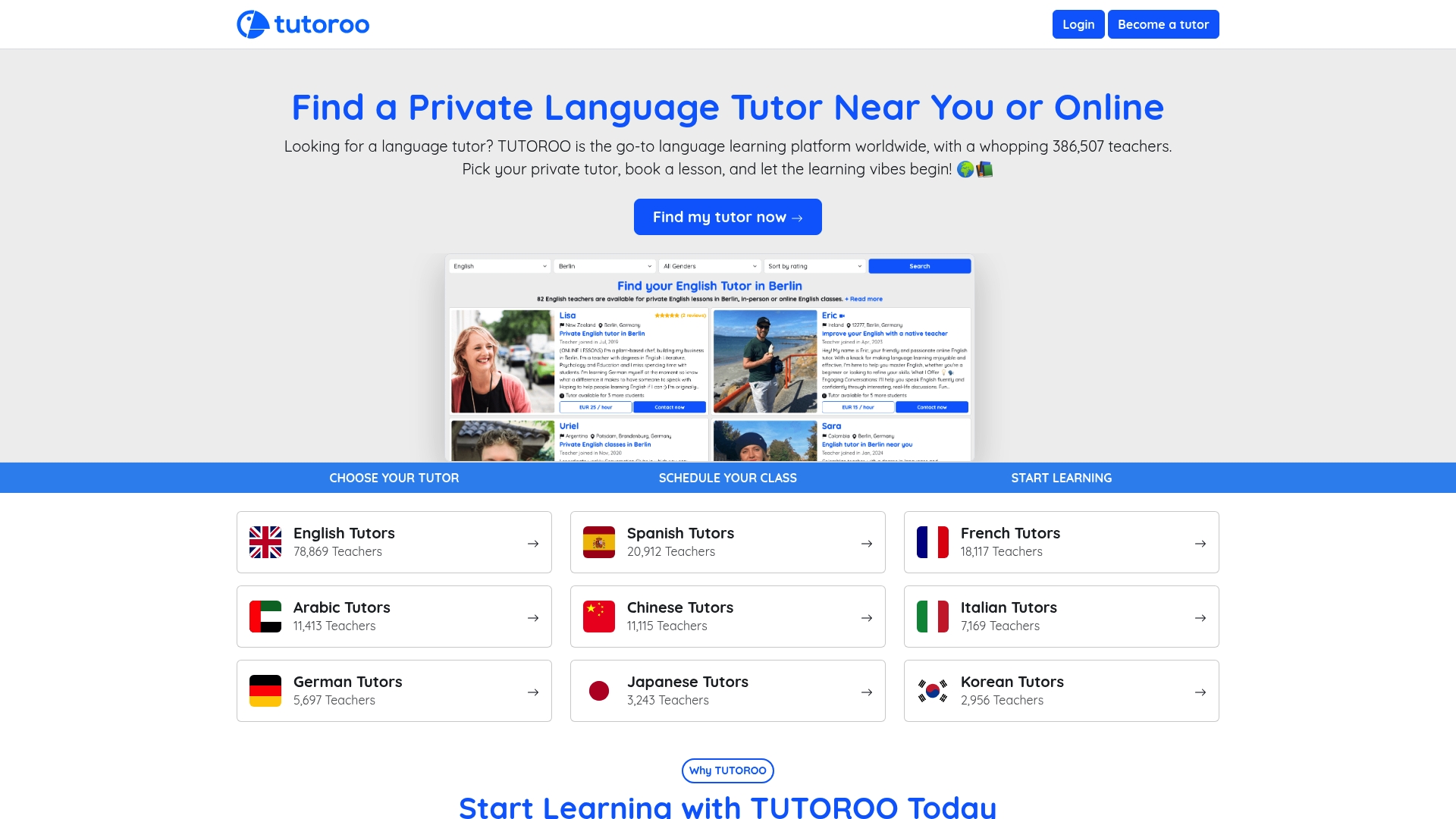
Explore tutors for popular languages like Japanese and Italian, or discover instructors for less common languages suited to your specific needs. Every tutor on Tutoroo undergoes verification to ensure quality and reliability, giving you peace of mind as you invest in your education. The platform's messaging system lets you communicate directly with potential tutors before committing to lessons, ensuring you find the right personality and teaching style. Start browsing today and take the first step toward fluency with a payment process that just works.
What payment methods are safest for international language tutoring?
What payment methods are safest for international language tutoring?
Wise offers lower fees and faster processing for international payments compared to traditional bank transfers, making it one of the safest and most cost-effective options. PayPal provides another secure choice with instant transfers, though fees run higher and currency conversion rates are less favorable. Using tutoring platforms with integrated payments or escrow services adds an extra security layer by holding funds until lesson completion, protecting both learners and tutors from fraud or disputes.
How do I choose between Wise and PayPal for tutor payments?
Consider the total cost including transfer fees and currency conversion rates when comparing these services. Wise typically costs less for larger amounts and international transfers, while PayPal works better for small, frequent payments where instant processing matters more than fees. Check which service your tutor prefers and whether they have accounts set up, as this affects how quickly they can access funds and whether additional fees apply on their end.
Are cryptocurrency payments safe for tutoring?
Cryptocurrency payments using stablecoins like USDT can be safe when both parties understand how to use them correctly and verify wallet addresses carefully. The main risks include sending to incorrect addresses (which cannot be reversed), choosing the wrong blockchain network, and price volatility for non-stablecoin cryptocurrencies. Only use crypto if both you and your tutor feel comfortable with the technology and agree on specific protocols for confirming transactions.
How can I avoid late payments to my language tutor?
How can I avoid late payments to my language tutor?
Send invoices promptly using automated tools that generate professional bills immediately after each lesson or at agreed intervals. Research shows 43% of education invoices are paid late, but automated systems with payment reminders dramatically reduce this problem by notifying learners before deadlines. Set up recurring calendar alerts on your phone or computer two days before payments are due, giving you time to process transfers even if unexpected delays occur.
What should a tutoring payment agreement include?
Every tutoring arrangement benefits from a written agreement specifying the hourly or package rate, payment schedule (per lesson, weekly, or monthly), accepted payment methods, cancellation and rescheduling policies, and what happens if payments are late. Signed service agreements cut disputes by over 50% because both parties clearly understand expectations from the start. Include your agreement in an email or document that both you and your tutor sign or acknowledge electronically for future reference.
How do I politely remind my tutor about an invoice?
If your tutor hasn't sent an expected invoice, send a friendly message acknowledging the completed lesson and requesting the invoice for your records. Most tutors appreciate proactive communication about payments rather than having to chase late payments themselves. If you've received an invoice but need more time to pay, communicate this immediately with a specific date when payment will arrive, maintaining trust and professionalism in your working relationship.
What tax rules should language tutors know in 2026?
What tax rules should language tutors know in 2026?
Tutoring income must be reported to the IRS regardless of amount or payment method, with all earnings declared on Schedule C of Form 1040. Self-employed tutors pay both regular income tax and self-employment tax (15.3% for Social Security and Medicare) on net earnings over $400. Tutors owing more than $1,000 in total tax must make quarterly estimated tax payments to avoid penalties, with deadlines in April, June, September, and January.
What expenses can tutors deduct?
Tutors can deduct ordinary and necessary business expenses that directly relate to their teaching activities. Common deductions include teaching materials and textbooks, video conferencing software subscriptions, internet service costs proportional to business use, office supplies, professional development courses, and mileage for travel to students' locations. Keep receipts and records for every deduction claimed, as the IRS may request documentation during audits.
How long should tutors keep tax records?
The IRS recommends keeping tax records for at least three years from the date you filed your return or two years from the date you paid the tax, whichever is later. However, maintaining records for six years provides better protection if the IRS questions your reported income or deductions. Store digital copies of invoices, receipts, bank statements, and tax returns in a secure cloud service or external drive with regular backups to prevent loss.
Do learners need to report tutor payments?
Learners generally do not report payments to private tutors on their personal tax returns unless specific circumstances apply, such as employing a tutor as a household employee (rare for language instruction). Some education expenses may qualify for tax credits like the Lifetime Learning Credit if the tutoring relates to eligible educational institutions, but private language tutoring typically does not qualify. Consult a tax professional to determine if your specific situation allows any education-related tax benefits.
Recommended
- TUTOROO Blog - How to Stay Motivated Learning a Language Alone | TUTOROO
- TUTOROO Blog - Teach Kids a Second Language with Fun TUTOROO Tutor Activities
- TUTOROO Blog - Language and Culture: How They Shape Each Other | Learn a Language with TUTOROO
- TUTOROO Blog - Reviving a Cultural Gem: Why More People Are Choosing to Learn the Welsh Language