

Yes, tutoring is worth it for most JLPT candidates facing a tight timeline or a stalled plateau in their study progress. For casual, long-term learners with no fixed exam date, it remains optional but still accelerates progress. If you recognise either situation, the smartest next step is a diagnostic test or a single trial lesson before committing to a longer programme.
TL;DR:
- Beginners at N5 or N4 can use apps and textbooks as their foundation, with occasional tutor sessions to correct pronunciation and establish a routine.
- Tutoring tends to pay off most at N3 and N2, where grammar nuance, reading speed, and listening strategies become harder to manage alone.
- Candidates with an exam within six months can combine two or three weekly lessons with daily review and timed mock tests.
- Track sectional mock test scores, because JLPT candidates must pass each section as well as the overall exam; a high total cannot offset one failure.
- Before committing, book a trial lesson and ask the tutor to diagnose your weakest section and set a homework plan for the next two weeks.
Table of Contents
- What tutoring adds: concrete benefits for JLPT preparation
- Who benefits most: match tutoring to your level, goals and timeline
- Costs and budgeting: what tutors typically charge and how to plan spending
- How to make tutoring actually accelerate your JLPT score
- Publisher evidence: what tutoring data say about effectiveness
- First-person guidance: a short checklist to decide now
- Finding and booking a Japanese tutor that fits your JLPT goals
- FAQ
- Sources
What tutoring adds: concrete benefits for JLPT preparation
Self-study carries you a long way with the JLPT, especially at the N5 and N4 levels where vocabulary lists and grammar drills dominate. The gap appears once you hit listening comprehension, nuanced grammar distinctions, or pronunciation habits that nobody corrects when you study alone. A tutor hears your mistakes the moment you make them and fixes them before they calcify into habits you will unlearn later.
Real-time correction matters most for listening and speaking, the two skills that textbooks and apps struggle to teach well. A tutor also brings exam-specific strategy: which grammar points the JLPT tests most heavily at your level, how the reading section tends to trap learners with time pressure, and how to pace yourself through each section rather than running out of time on the last page.
- Immediate feedback on pronunciation and listening gaps that self-study tools cannot catch in the moment.
- Grammar precision aimed at the specific points the JLPT scores, rather than generic textbook coverage.
- Accountability and pacing, including mock tests under timed conditions that mirror exam-day pressure.
Tutoring tends to multiply the value of your self-study rather than replace it. Synchronous instruction paired with self-study produces larger gains than self-study alone, particularly once a learner plateaus or struggles with grammar that looks simple on paper but behaves differently in natural speech. A private tutor also tends to produce the largest gains per hour compared with group classes or unguided study, because every minute of the lesson is built around your specific weak points rather than a classroom average.
Pro Tip: Bring a recent practice test to your first tutoring session so the tutor can diagnose your weakest section immediately, rather than spending the lesson guessing where to focus.
One-on-one instruction delivers measurably faster language gains than studying alone. Private tutors speed up language mastery by concentrating every lesson minute on your actual gaps instead of a curriculum built for an average learner.
Who benefits most: match tutoring to your level, goals and timeline
Tutoring value changes depending on where you sit on the JLPT ladder. A beginner working toward N5 needs something different from someone polishing N1 reading stamina, and the honest answer to "should I hire a JLPT tutor" depends heavily on which of these groups you fall into.
- Beginners (N5 to N4): Tutoring helps most with pronunciation habits, foundational grammar patterns and building a consistent study routine. At this stage, structured self-study with apps and textbooks can carry much of the load, with occasional tutor check-ins to correct pronunciation before bad habits set in.
- Intermediate learners (N3 to N2): This is where tutoring return on investment tends to peak. Grammar nuance becomes genuinely confusing, reading speed needs deliberate practice, and listening comprehension strategies are hard to self-teach. A tutor who understands common N3 and N2 traps saves you months of trial and error.
- Advanced learners (N1): Progress slows and gains become narrower, so you need a tutor experienced specifically with N1 reading stamina, formal written Japanese and subtle usage distinctions that most general conversation tutors will not have practised.
Realistic timelines vary by starting point and target. A beginner aiming for N5 within a few months can often manage with disciplined self-study and occasional tutoring, while someone moving from N3 to N2 should expect several months of consistent weekly study, tutor sessions included, to see meaningful score movement. Structured plans that combine daily spaced-repetition practice, weekly tutor sessions and regular mock exams are commonly recommended across practitioner guides, precisely because the combination compounds rather than one method alone.
Costs and budgeting: what tutors typically charge and how to plan spending
Online Japanese tutoring costs vary by tutor experience, lesson length and how specialised the instruction is. Average online Japanese tutor rates have been cited around the typical market rate per hour in some market surveys, though rates climb for tutors with specific JLPT coaching experience or advanced-level specialisation. For a closer look at pricing by goal and intensity, our guide to Japanese tutor costs by goal breaks down typical monthly budgets at different study intensities.
- Light intensity (one lesson a week) suits learners maintaining steady progress alongside heavy self-study.
- Moderate intensity (two to three lessons a week) fits learners within six months of an exam date who need regular correction and mock-test feedback.
- Intensive scheduling (near-daily short sessions) suits tight timelines, such as a candidate with only a few months before exam day.
Lesson frequency and length both affect your cost per hour of real progress. Shorter, more frequent sessions often beat one long weekly lesson for retention, since spaced practice sticks better than cramming, even though the headline hourly rate looks similar either way. If budget is tight, consider pairing periodic tutor check-ins with heavy independent study between sessions, or look at small group lessons for grammar explanation while reserving one-on-one time for speaking and listening practice.
Watch for warning signs in tutor profiles: vague descriptions with no mention of JLPT experience, no sample lesson plan, or pricing dramatically below the typical range with no clear explanation. A tutor unwilling to discuss how they structure JLPT preparation specifically is unlikely to deliver the targeted correction that makes tutoring worth the cost in the first place.
How to make tutoring actually accelerate your JLPT score
Booking lessons only pays off when you structure them around measurable goals, not open-ended conversation practice. A clear weekly rhythm turns tutoring from a nice-to-have into a genuine score-moving investment.
- Set a weekly lesson cadence tied to a specific goal for each session, such as drilling a grammar point that keeps appearing in your mock test errors.
- Assign homework between lessons, including spaced-repetition vocabulary and kanji review, timed reading passages and listening drills matched to your target level.
- Run periodic mock tests under timed conditions and bring the results to your next lesson so the tutor can target your weakest section specifically.
- Track sectional scores, not just totals, since the JLPT requires passing both an overall mark and each individual section, meaning a strong total score with one weak section still results in a fail.
- Set score-based milestones every few weeks, like raising your weakest section by a defined margin, rather than vague goals like "get better at grammar".
On your first lesson, ask your tutor how they structure JLPT preparation, whether they use mock exams regularly and how they track your sectional progress over time. Structured study plans combining daily practice, weekly sessions and regular mock exams show up repeatedly across practitioner guides as the combination most associated with stronger pass rates. Online Japanese classes built around mock exams and targeted drills for vocabulary, grammar, reading and listening reflect the same structured approach worth asking your own tutor to replicate.
Pro Tip: Treat your first lesson as a diagnostic, not a teaching session: ask your tutor to assess your weak sections before building a lesson plan around them.
This same discipline applies across languages, not only Japanese. Practical guidance on making the most of tutor time for Mandarin learners echoes the same principle: lessons work best when homework between sessions is deliberate and reviewed, not left as an afterthought.
Publisher evidence: what tutoring data say about effectiveness
Learners can connect with a worldwide community of language tutors, and the scale of such networks often makes matching straightforward: it can be possible to find a tutor by language, availability and teaching style within minutes rather than weeks. For Japanese specifically, that means access to tutors who specialise in JLPT preparation rather than general conversation practice.
Tutoring can meaningfully outpace self-study for exam-focused learners. Our own HSK tutoring data found that learners working with a tutor progressed 1.11 times faster than those studying Chinese alone. That figure reflects our platform's own HSK learners rather than a universal guarantee for every language or learner, but it lines up with the broader pattern that structured, corrected practice tends to outperform unguided study, particularly once a learner's independent progress starts to plateau.
First-person guidance: a short checklist to decide now

Three questions cut through most of the indecision around hiring a tutor. What is your actual goal, a specific JLPT level by a specific date, or general fluency with no deadline? How much time do you genuinely have before your exam? And how disciplined has your self-study been so far, honestly?
If your timeline is under six months, or you have stalled on the same grammar point for weeks, book one trial lesson and build a two-week homework plan around whatever the tutor flags as your weakest area. If you have a year or more and no exam booked yet, keep self-study as your main driver and revisit tutoring once you hit a plateau or lock in a test date. The honest signal to pivot toward tutoring is repeated failure to improve despite consistent effort. The signal to pivot back toward self-study is a tutor confirming you already have strong fundamentals and mainly need volume, not correction.
— TUTOROO
Finding and booking a Japanese tutor that fits your JLPT goals
If you have decided tutoring fits your timeline, finding the right tutor matters more than finding any tutor. Look for JLPT-specific experience on a tutor's profile, not just general Japanese teaching, along with evidence they use mock tests and structured lesson plans rather than open-ended conversation. Our guide to choosing a Japanese tutor walks through the exact questions worth asking before you commit to a longer run of lessons.
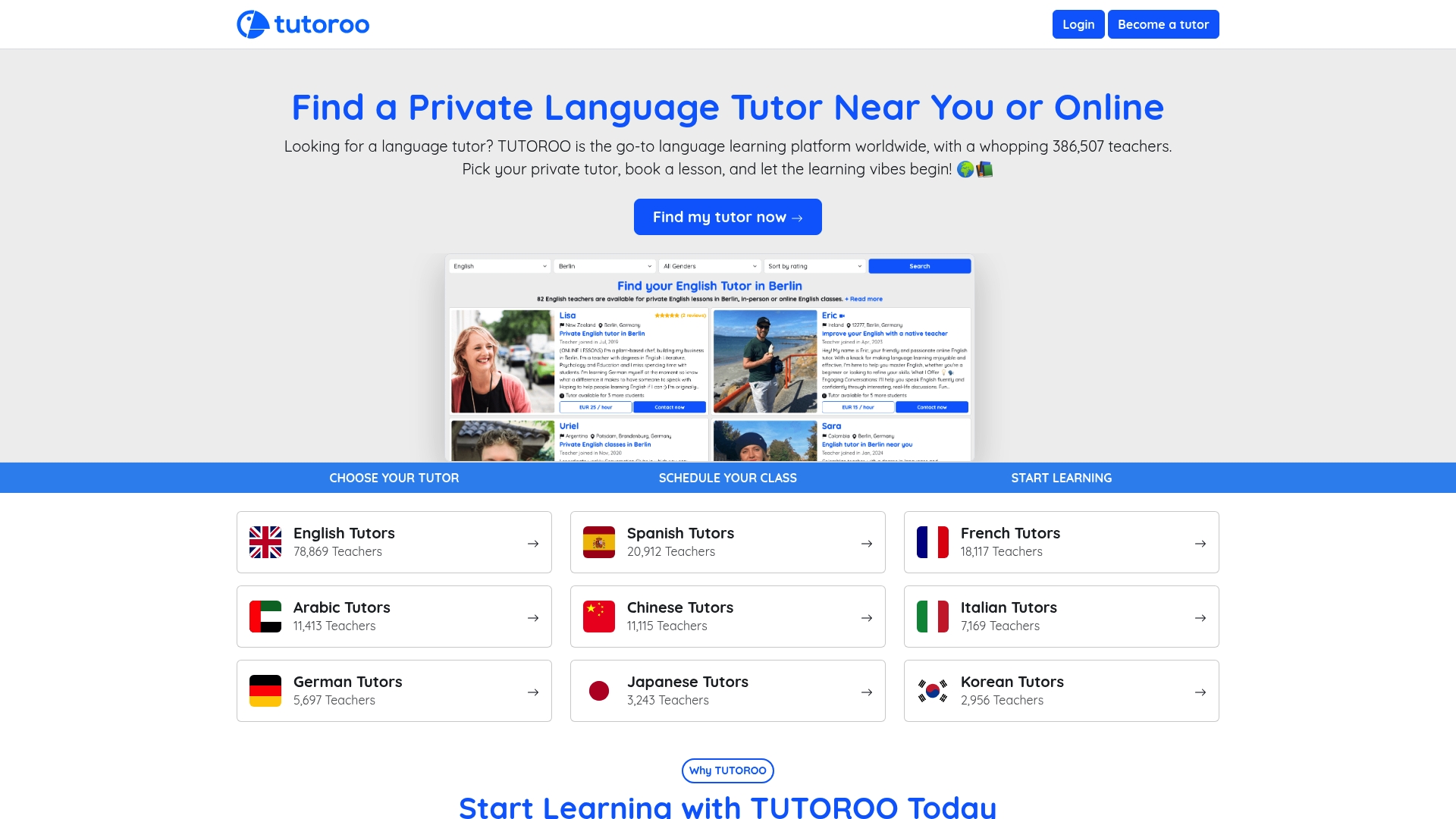
We make matching simple: search by language, availability and teaching focus, message a tutor directly, and book a trial lesson to see whether their style and JLPT experience suit your goals before committing to anything longer. Tutors set their own schedules and receive payment directly from you, so there is no long-term contract locking you in.
Visit our Japanese tutors online page to browse available tutors and book your first trial lesson today.
FAQ
Can I pass N3 in 3 months?
It depends heavily on your starting level and daily study hours, since three months is a tight timeline for most learners starting from scratch. Combining intensive self-study with regular tutor sessions gives tight-timeline candidates a better shot, as structured plans with weekly tutor sessions and mock exams are commonly recommended for exactly this kind of deadline pressure.
Is 30 too old to learn Japanese?
No, adult learners regularly reach JLPT fluency levels well into their thirties, forties and beyond, since consistent study habits matter far more than age for language acquisition. The main advantage younger learners sometimes have is more flexible time, not a biological ceiling on ability.
Is N5 enough to survive in Japan?
N5 covers only basic greetings, simple sentences and limited vocabulary, so it supports very basic daily interactions but falls short for most independent living situations. Most practical day-to-day survival, reading signage, handling paperwork, following instructions, benefits from at least N4 or N3 level comprehension.
Is it worth getting a language tutor?
For most learners with a specific goal or deadline, yes, since a private tutor tends to produce the largest learning gains per hour compared with group classes or self-study. For casual learners with no deadline and strong self-discipline, a tutor remains valuable but less urgent.
How do I know if tutoring is actually improving my JLPT score?
Track your sectional scores on regular mock tests rather than relying on how confident you feel in lessons. Since the JLPT requires passing each section individually as well as the overall total, measurable sectional improvement is the clearest sign tutoring is working.
Sources
- Scoring sections, pass or fail, score report | JLPT Japanese-Language Proficiency Test
- Learn Japanese: Classes vs. Private Tutor vs. Self-Study - The World In Japanese
- JLPT Bootcamp vs Self-Study: Which Method Gets Better Results? - JLPT Samurai