
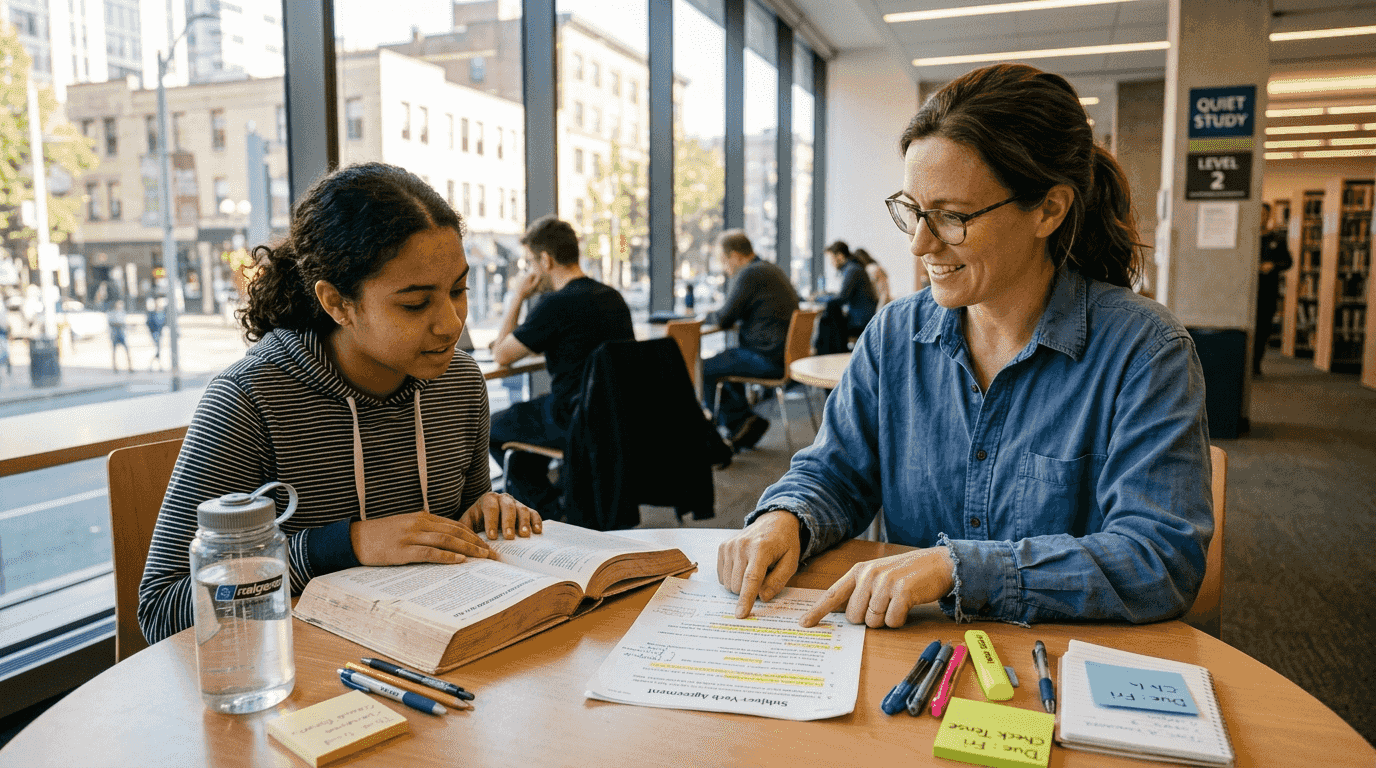
Many language learners assume that anyone who speaks a language fluently can teach it with equal effectiveness. This misconception overlooks a crucial distinction: native-speaking tutors bring something fundamentally different to the table. Through natural language acquisition from childhood and deep cultural immersion, these instructors offer insights that go far beyond textbook knowledge. Understanding what truly defines a native-speaking tutor and recognizing the specific advantages they provide can transform your language learning journey. This guide breaks down the essential characteristics of native-speaking tutors and explains how their unique background enhances conversational skills and cultural understanding for learners at every level.
Table of Contents
- Defining A Native-Speaking Tutor: Beyond Fluency
- How Native-Speaking Tutors Enhance Language Learning
- Pronunciation And Linguistic Sensitivity: A Native Advantage?
- Variations Among Native-Speaking Tutors And What That Means For You
- Find The Perfect Native-Speaking Tutor For You
- Frequently Asked Questions
Key takeaways
| Point | Details |
|---|---|
| Native status definition | Acquired language naturally from childhood with full cultural context, not just fluency |
| Cultural insight advantage | Tutors convey idioms, humor, and social norms that textbooks miss |
| Pronunciation nuances | Natural speech patterns provide authentic models, though AI tools now compete |
| Regional diversity matters | Different native speakers bring distinct accents and cultural perspectives |
| Selection strategy | Match tutor dialect and background to your specific learning goals |
Defining a native-speaking tutor: beyond fluency
The term "native-speaking tutor" carries more weight than simple fluency. A native speaker is someone who has acquired a language naturally since childhood, understanding its nuances, idioms, sarcasm, proverbs, and the entire cultural framework. This natural acquisition process creates an intuitive grasp of language mechanics that differs fundamentally from learned proficiency, no matter how advanced.
Native speakers grow up surrounded by their language in authentic contexts. They absorb grammar patterns, vocabulary, and cultural references through daily interaction rather than formal study. This immersion creates an instinctive understanding of what sounds right and what doesn't. When a native speaker corrects your sentence structure, they're often drawing on years of pattern recognition rather than conscious rule application.
The cultural component separates native competence from high-level fluency. Native tutors inherently understand when certain phrases work in formal settings versus casual conversation. They recognize regional slang, generational language shifts, and subtle communication cues that non-native speakers might miss despite years of study. This cultural intuition proves invaluable when you're trying to sound natural rather than technically correct.
Regional diversity among native speakers adds another layer of authenticity. A native English speaker from Texas brings different linguistic patterns than someone from London or Sydney. Each regional variation offers legitimate native expertise shaped by distinct cultural environments. This diversity means you can find English tutors online who match the specific dialect and cultural context you want to master.
Non-native speakers can achieve remarkable proficiency and often make excellent teachers, particularly for grammar explanation and structured learning. However, they typically lack the unconscious linguistic intuition that comes from lifelong immersion. A non-native tutor might explain why a phrase is correct, while a native tutor feels when it's appropriate.
Pro Tip: When evaluating potential tutors, ask about their childhood language environment rather than just their current fluency. Where they grew up and what language dominated their formative years reveals more about their native status than accent alone.
How native-speaking tutors enhance language learning
Native-speaking tutors transform language learning by embedding cultural context into every lesson. These tutors facilitate cultural understanding and contextualization, which directly enhances communicative competence. When you learn a phrase from a native speaker, you're not just memorizing words but absorbing the social situations where those words fit naturally.
Idioms and colloquial expressions pose notorious challenges for language learners. Native tutors explain not just what expressions mean but when people actually use them. They catch subtle misuses that might technically be grammatically correct but sound awkward to native ears. This real-world linguistic awareness prevents the stilted, overly formal speech that often marks textbook learning.
Cultural norms embedded in language become transparent with native instruction. Politeness levels, humor styles, and conversation patterns vary dramatically across cultures. A native tutor naturally models these patterns, helping you navigate social situations with appropriate language choices. You learn which greetings suit different contexts and how directness or indirectness affects your message.
Retention improves when cultural stories and contexts accompany vocabulary and grammar. Native tutors share personal experiences, current events from their culture, and authentic materials that make learning memorable. This contextual richness creates mental hooks that pure vocabulary lists cannot match. The cultural immersion language learning approach leverages these authentic connections.

Listening comprehension accelerates with exposure to natural speech patterns. Native tutors speak at normal speeds with authentic intonation, preparing you for real conversations rather than simplified classroom dialogue. You develop an ear for the rhythm and flow of natural speech, including the shortcuts and elisions that native speakers use unconsciously.
Communicative competence grows beyond grammatical accuracy when working with native tutors. You learn to express ideas naturally rather than translating word-by-word from your native language. Native tutors guide you toward phrases that convey your intended meaning in ways that sound natural to other native speakers. This pragmatic language skill often determines whether you sound fluent or foreign, regardless of your technical accuracy.
Pronunciation and linguistic sensitivity: a native advantage?
Native-speaking tutors traditionally dominated pronunciation instruction, offering models based on lifelong natural speech patterns. Their intuitive grasp of subtle phonetic distinctions helps learners hear and reproduce sounds that don't exist in their native language. However, recent technological advances have complicated this straightforward narrative.
Research reveals surprising findings about pronunciation training effectiveness. AI-based pronunciation training is at least as effective as native speaker-led instruction, with students in the CAPT group performing even better, particularly in intelligibility and intonation. This challenges assumptions about native tutors holding an insurmountable advantage in pronunciation coaching.
The study found that computer-assisted pronunciation training provides consistent, patient feedback that some learners find less intimidating than correction from a human tutor. AI systems can analyze subtle pronunciation errors and provide targeted practice without the social pressure that inhibits some students. This technological approach offers advantages in specific contexts, particularly for shy learners or those needing extensive repetition.
Yet native tutors offer benefits that current technology struggles to replicate. They adapt pronunciation coaching to conversational context, showing how careful articulation differs between formal presentations and casual chat. Native tutors demonstrate how native speakers actually talk in real situations, including the shortcuts and connected speech patterns that formal pronunciation training often ignores.
Pronunciation training delivers benefits beyond speaking accuracy. Integrating pronunciation practice into language curricula fosters not just speaking accuracy but also more effective and efficient listening skills. This dual benefit makes pronunciation work valuable regardless of whether you train with native tutors, AI systems, or both.
| Approach | Strengths | Limitations |
|---|---|---|
| Native tutor | Contextual feedback, natural speech modeling, cultural appropriateness | Inconsistent correction, potential accent bias, limited repetition patience |
| AI pronunciation tools | Consistent analysis, unlimited practice, objective measurement | Lacks contextual awareness, misses pragmatic elements, no cultural insight |
| Combined method | Leverages technology for drilling, human insight for context | Requires coordination between tools, potentially higher cost |
Pro Tip: Use AI tools for targeted sound practice and drills, then work with English tutors online to integrate those sounds into natural conversation. This combined approach maximizes both precision and practical application.
Variations among native-speaking tutors and what that means for you
Native speakers form a diverse group, not a uniform category. A native speaker from the US differs from someone raised in the UK, Canada, Ireland, Australia, New Zealand, or South Africa, each bringing unique perspectives and linguistic authenticity. These regional differences extend far beyond accent into vocabulary, idioms, and cultural references.
Accent variations among native English speakers illustrate this diversity dramatically. A Boston accent sounds nothing like a Southern drawl, and both differ completely from Received Pronunciation in England or Australian English. Each represents authentic native speech shaped by distinct regional influences. Your choice of tutor dialect should align with where you plan to use the language or which accent you find most appealing.
Vocabulary differences between English-speaking regions create practical learning considerations. Americans say "apartment" while Britons say "flat." Americans "stand in line" while Britons "queue." These aren't right or wrong choices but regional preferences that affect how natural you sound in different contexts. Learning from a tutor whose regional variety matches your goals prevents confusion and wasted effort.

Idioms and cultural references vary even more than vocabulary. American sports metaphors mean nothing to British audiences unfamiliar with baseball or American football. British humor styles differ from Australian or American approaches. These cultural elements embedded in language make tutor selection about more than just accent preference.
Setting realistic expectations requires understanding that no single native tutor represents all native speakers. The British tutor who teaches you "boot" for car trunk hasn't taught you wrong, but you might confuse Americans who call it a "trunk." Awareness of these variations helps you adapt rather than assuming one version is universally correct.
| Dialect | Pronunciation Features | Vocabulary Example | Common Usage Context |
|---|---|---|---|
| American English | Rhotic r sounds, flapped t | Elevator, sidewalk | Business, tech, entertainment |
| British English | Non-rhotic in some regions, clear t | Lift, pavement | Academic, formal, international |
| Australian English | Vowel shifts, rising intonation | Arvo, ute | Casual, tourism, regional |
Choosing your tutor strategically means considering your specific goals. If you're preparing for business in New York, an American tutor makes sense. If you're planning university study in London, British English becomes more relevant. For general communication, any native variety works, but consistency with one tutor helps you internalize patterns rather than mixing styles.
The platform approach matters too. Finding Pidgin tutors online or Spanish tutors online requires platforms that clearly identify tutor backgrounds and regional varieties. Detailed tutor profiles help you make informed choices based on your learning objectives rather than guessing from names or photos alone.
Find the perfect native-speaking tutor for you
Understanding what native-speaking tutors offer is just the beginning. The real transformation happens when you connect with a tutor whose background, teaching style, and regional variety align perfectly with your goals. Whether you're building conversational confidence, preparing for relocation, or deepening cultural understanding, the right native-speaking tutor makes all the difference.
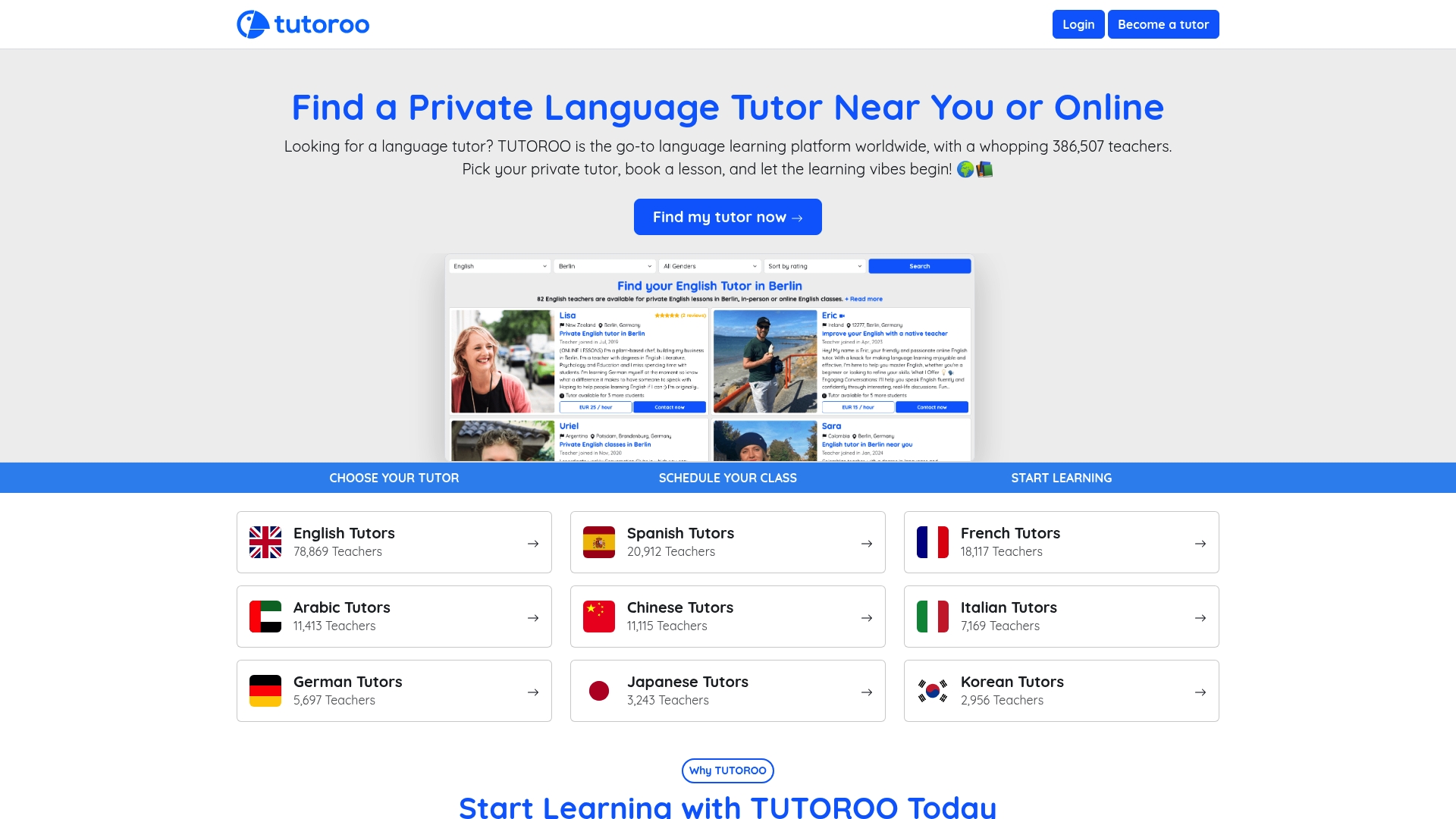
Tutoroo connects you with native-speaking tutors across dozens of languages and dialects. Our platform's detailed profiles let you filter by region, teaching experience, and specialization, ensuring you find someone who matches your specific needs. Choose from English tutors online, Pidgin tutors online, or instructors in virtually any language you want to master. With flexible scheduling for online or in-person sessions, you can learn languages online or in person at your own pace. Our community of over 386,000 verified tutors means you'll find authentic cultural and linguistic expertise tailored to your learning style. Start your personalized journey today and experience the difference that native-speaking instruction makes.
Frequently asked questions
What actually distinguishes a native-speaking tutor from a highly fluent non-native tutor?
The core distinction lies in natural childhood acquisition versus learned proficiency. Native speakers absorbed their language unconsciously through daily immersion, developing intuitive understanding of idioms, cultural context, and subtle communication patterns. Non-native tutors, regardless of fluency level, learned the language through study and typically lack this instinctive feel for appropriateness and nuance.
How can I verify that a tutor is truly a native speaker?
Ask specific questions about their childhood language environment and where they spent their formative years. Native speakers can discuss regional dialects, childhood slang, and cultural references from their youth naturally. Request a brief conversation to assess their accent consistency and cultural knowledge. Reputable platforms verify tutor backgrounds, but direct conversation reveals authentic native competence quickly.
Are native-speaking tutors always the best choice for complete beginners?
Not necessarily. Beginners sometimes benefit from tutors who understand the specific challenges of learning the target language from the student's native language perspective. Non-native tutors who learned the language as adults can explain grammar systematically and anticipate common errors. However, even beginners gain from native tutor exposure to build authentic pronunciation habits and cultural awareness early.
What cultural learning opportunities do native-speaking tutors provide beyond language instruction?
Native tutors share firsthand knowledge of social norms, humor styles, current events, and everyday cultural practices. They explain when formality matters, how politeness varies by context, and which expressions fit different social situations. This cultural competence prevents awkward misunderstandings and helps you communicate appropriately, not just accurately. You learn the unwritten rules that govern real interactions.
What should I expect in a typical session with a native-speaking tutor?
Sessions typically blend conversation practice, pronunciation coaching, vocabulary building, and cultural discussion. Native tutors often use authentic materials like news articles, videos, or social media content from their culture. Expect natural-speed conversation with corrections focused on sounding natural rather than just grammatically correct. Good tutors balance structured learning with spontaneous discussion, adapting to your progress and interests while maintaining focus on your goals.