

TL;DR:
- Many students and parents underestimate the importance of direct payments, which foster trust and personalized learning experiences. Implementing secure methods like bank transfer or PayID and maintaining written records enhance safety and transparency. Careful vetting and understanding legal obligations ensure professional, trustworthy tutoring arrangements.
Many students and parents assume that all tutoring must be paid through formal online platforms, but this is simply not how the world of private language learning works. Direct payment, where a student or parent pays the tutor personally without a third-party platform taking a cut, is a well-established practice that opens doors to greater flexibility, stronger relationships, and truly personalised tuition. Understanding how to manage direct payments safely and efficiently can transform the language learning experience in ways that rigid platform systems often cannot match.
Table of Contents
- What is direct payment for tutors?
- How direct payment works: step-by-step
- Benefits and risks of direct payment
- Legal, tax, and safety considerations
- Our perspective: what most people miss about direct payment for tutors
- Explore direct payment options with TUTOROO
- Frequently asked questions
Key Takeaways
| Point | Details |
|---|---|
| Direct payment means flexibility | Paying tutors directly lets you customise lessons and arrangements to suit your needs. |
| Know the risks | Understand potential pitfalls, like disputes or scams, and take precautions such as checking credentials. |
| Legal and tax rules matter | Both tutors and students should make sure payments comply with relevant laws and tax requirements. |
| Strong relationships boost learning | Direct payment often leads to a more personal, supportive tutor-student relationship. |
| TUTOROO offers secure connections | Exploring options through TUTOROO makes choosing verified tutors and direct payment easier and safer. |
What is direct payment for tutors?
Direct payment for tutors means paying a tutor directly for services rendered, without routing funds through a formal booking or marketplace platform. It is a straightforward arrangement where the student or parent and the tutor agree on a rate and transfer payment using a method that suits both parties.
As private tutors build closer relationships with their students, direct payment becomes a natural extension of that trust. Rather than relying on a platform to facilitate every transaction, both sides gain more control over how money moves and how lessons are structured.
Common direct payment methods include:
- Cash: The most traditional method, ideal for in-person lessons where immediate exchange is simple.
- Bank transfer: A reliable and traceable option, often used for regular weekly or monthly lesson blocks.
- PayID: An Australian payment system tied to a phone number or email, making transfers fast and easy.
- Peer-to-peer apps: Services such as Osko or similar tools that allow near-instant payments between individuals.
The following table shows how each payment method compares for typical tutoring situations:
| Payment method | Speed | Traceability | Best for |
|---|---|---|---|
| Cash | Instant | Low | In-person lessons |
| Bank transfer | 1 to 2 business days | High | Regular lesson blocks |
| PayID | Near instant | High | Flexible scheduling |
| Peer-to-peer apps | Near instant | Medium to high | Casual arrangements |
Direct payment is especially common in long-term tutoring relationships, where consistency builds confidence between tutor and learner. Exploring the full range of private tutoring benefits helps students and parents see why this model is gaining traction globally. For anyone wanting a detailed overview of every available option, the pay language tutors guide is an excellent starting point.

How direct payment works: step-by-step
With the definition of direct payment established, here is how students and parents actually make those payments step by step.
-
Discuss rates and scheduling upfront. Before the first lesson, both parties should agree on the hourly rate, the lesson frequency, and how payment will be structured. Will it be paid per lesson, weekly, or monthly? Clarity here prevents misunderstandings later.
-
Choose a payment method together. The tutor and student or parent should select a method that is convenient and secure for both. Bank transfer or PayID are strong choices in Australia because they create a digital record automatically.
-
Set clear terms around cancellations and refunds. Life happens. Agreeing in advance on a cancellation window, such as 24 hours notice, and a refund or rescheduling policy protects everyone. This is particularly important for parents booking lessons for younger children.
-
Request a written summary of all agreed terms. A simple email or message outlining the rate, schedule, cancellation policy, and payment method is enough. This written record is invaluable if any dispute arises.
-
Make the first payment and confirm receipt. Always confirm payment has been received before the lesson begins. A short message or receipt screenshot shared between both parties removes any ambiguity.
-
Review the arrangement periodically. Over time, lesson needs may change. Perhaps the student wants more sessions, or the tutor adjusts their rates. Scheduling a brief review every few months keeps the arrangement fair and transparent.
Understanding how tutor registration shapes the quality of online language learning is equally important, especially when choosing a tutor who will be receiving direct payments from you. Registered, verified tutors are more likely to bring professionalism and clear communication to every transaction.
Pro Tip: Always request a written summary of agreed terms via email or a messaging app before the first payment is made. Even a few sentences confirming rate, schedule, and cancellation policy can prevent costly misunderstandings down the track.
Benefits and risks of direct payment
After seeing how direct payment works, let us look at the real-world benefits and key risks to watch out for.
Benefits of direct payment:
- Flexibility: Students and parents can negotiate lesson times, payment schedules, and lesson formats without being constrained by platform rules.
- Trust and relationship building: Paying a tutor directly fosters a more personal connection, which research consistently links to better learning outcomes.
- Cost savings: Without a platform taking a percentage, both parties can negotiate rates that work for their budget. The tutoring payment systems that many platforms use can add up over time.
- Customisation: A direct arrangement allows for tailored lesson plans, culturally specific content, and learning styles that suit the individual student.
Risks to be aware of:
- No formal dispute resolution: If a disagreement arises, there is no platform team to mediate. Both parties must resolve issues independently.
- Inconsistent record keeping: Without a platform generating invoices automatically, it is easy for payment records to become disorganised.
- Risk of scams: Unfortunately, some individuals pose as qualified tutors online. Without proper vetting, students and parents can be misled.
- Credential gaps: A tutor may claim qualifications they do not hold. Direct arrangements require you to do your own homework.
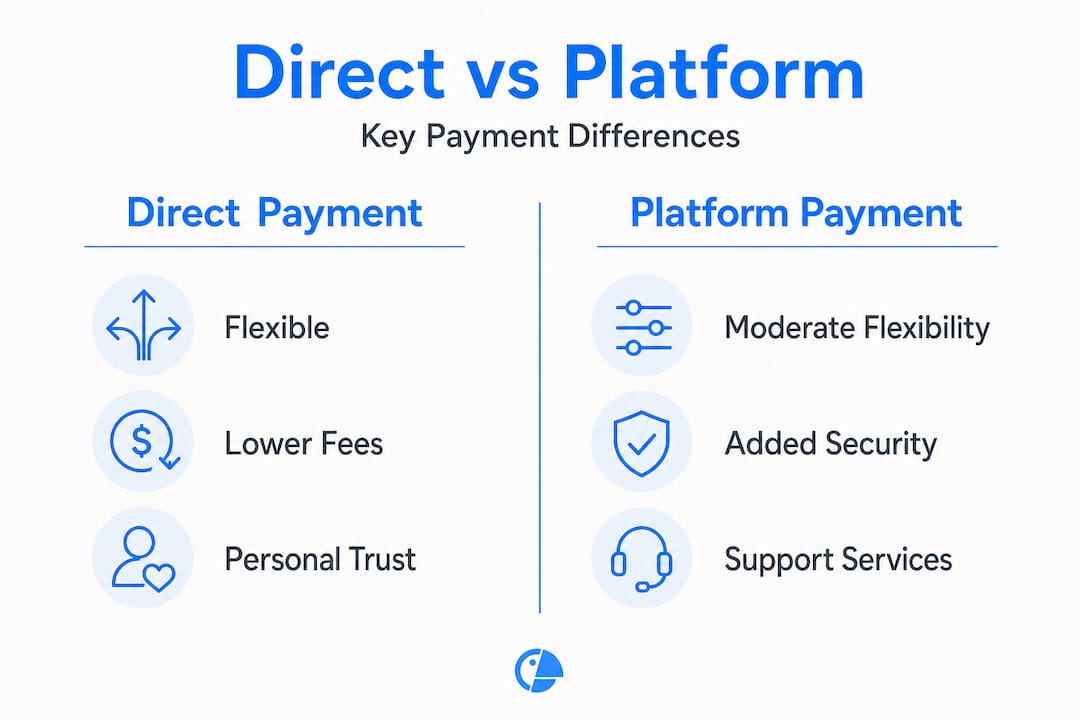
The following table compares the experience of direct payment versus platform-mediated payment:
| Factor | Direct payment | Platform-mediated payment |
|---|---|---|
| Flexibility | High | Medium |
| Cost | Potentially lower | Higher due to fees |
| Dispute resolution | Self-managed | Platform supported |
| Record keeping | Manual | Automated |
| Tutor verification | Your responsibility | Platform responsibility |
| Relationship quality | Highly personal | Transactional |
Knowing the full picture around complete payment guidance helps students and parents make smarter decisions. Equally, understanding why tutor credentials matter ensures you are investing your money in someone who is genuinely qualified to teach.
Pro Tip: Always ask for references or credentials before making any direct payment to a tutor. A qualified language tutor will be happy to share evidence of their teaching background, certifications, or student testimonials.
Legal, tax, and safety considerations
With benefits and risks explained, here is what to know about the legal, tax, and safety side of direct payments.
From a legal standpoint in Australia, tutors who earn income from private lessons are generally required to report that income in their tax return. If a tutor earns over the GST threshold, they may also need to register for GST (Goods and Services Tax) and charge it accordingly. For students and parents, understanding whether GST applies to lessons helps avoid any unexpected costs when arranging direct payments.
Key legal and safety points to keep in mind:
- ABN registration: Many professional tutors in Australia hold an ABN (Australian Business Number), which is a sign of legitimate business activity. Asking whether a tutor has an ABN is a reasonable and professional question.
- Income reporting: Tutors operating independently are responsible for reporting all earned income to the Australian Taxation Office. This applies whether payment is made in cash, by bank transfer, or through any other method.
- Secure payment methods: Choosing bank transfer or PayID over cash creates an automatic digital record, which is valuable for both parties at tax time.
- Keep written records: Store screenshots of payment confirmations, message threads confirming lesson agreements, and any invoices a tutor provides. These records protect both the student and the tutor.
- Verify the tutor's identity: Before committing to a direct payment arrangement, confirm the tutor's identity through a video call, a professional profile, or a recommendation from a trusted contact.
"Safety and compliance in direct tutoring arrangements come down to one thing: documentation. The tutors who manage professional direct payment relationships successfully are those who treat every transaction as a business interaction, with clear records and honest communication." This perspective reflects what experienced language tutors advise when discussing flexible work arrangements in the modern tutoring landscape.
Understanding these obligations is not just about avoiding problems. It also signals to students and parents that they are working with a serious, professional tutor who respects their craft. The private tutors who thrive in direct payment arrangements are those who bring clarity, honesty, and professionalism to every interaction.
Our perspective: what most people miss about direct payment for tutors
Drawing together all the key aspects, here is what many overlook when choosing direct payment for tutors.
Most conversations about direct payment focus on the practical side: which app to use, how to write a cancellation policy, whether to pay weekly or monthly. These are all important, but they miss the deeper value that direct payment can create.
When a student pays a tutor directly, something subtle but powerful shifts in the dynamic. The relationship becomes a genuine partnership. The tutor is no longer a service delivered through a platform. They become a guide, a mentor, and often a cultural bridge. Language learning thrives in this kind of environment. Authentic connection accelerates progress in ways that timed, transactional lessons rarely can.
We have seen this pattern repeatedly across TUTOROO's community of over 386,000 language tutors worldwide. The learners who make the fastest progress are often those who invest in consistent, long-term relationships with a single trusted tutor. Direct payment supports that consistency. It removes the friction of platform booking systems, and it gives both parties the freedom to shape lessons around real goals.
But here is what most people miss: direct payment without due diligence is a gamble. The same intimacy that makes direct payment powerful also means there are fewer safeguards if things go wrong. Contracts, references, and credential checks are not bureaucratic obstacles. They are the foundation of a trustworthy learning relationship.
Investing time in finding a tutor whose flexible approach and communication style genuinely matches your learning needs is worth every bit of effort. A tutor who communicates clearly before a single lesson has been taught is almost certainly going to communicate clearly inside the lesson as well.
Pro Tip: Spend time finding a tutor whose communication style genuinely resonates with you before committing to a direct payment arrangement. Ask for a short introductory chat or a trial lesson before making any longer-term financial commitment.
The uncomfortable truth is that many people rush into direct payment arrangements because they seem simpler or cheaper. But the students and parents who benefit most are those who approach it with the same care they would give any important investment: research first, pay second.
Explore direct payment options with TUTOROO
If you are ready to explore direct payment and want trusted tutor connections, here is what TUTOROO offers.
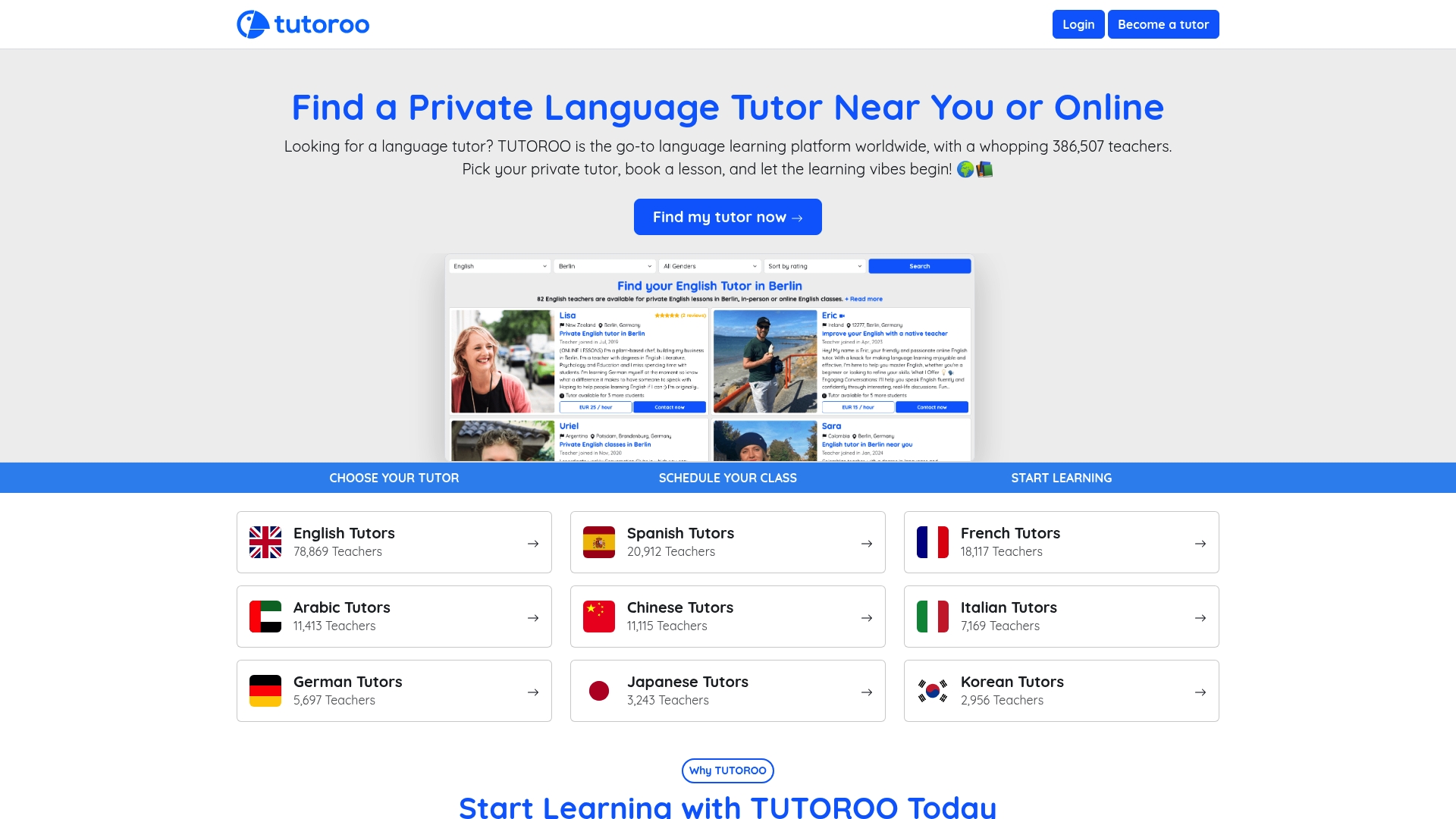
TUTOROO connects students and parents with verified language tutors around the world, making it easier than ever to find a trusted professional for direct, personalised lessons. With a community spanning over 386,000 tutors across dozens of languages, you can browse profiles, read reviews, and connect directly with tutors who match your goals and learning style. Whether you are looking for experienced language tutors for English, Spanish, French, or Chinese, or you want to work with one of our skilled Malay tutors for an immersive experience, TUTOROO makes the connection simple and secure. Start browsing today and take your first confident step towards a language learning relationship built on trust, clarity, and genuine progress.
Frequently asked questions
Is direct payment for tutors safe?
Direct payment can be safe when using trusted tutors and secure payment methods, as long as written records of all agreements are maintained. Choosing tutors who have completed quality registration processes adds an important layer of confidence.
Do I need to pay GST or tax on tutoring services?
Tutors may need to report income and pay GST if they are registered for it in Australia; students and parents should ask tutors about their tax compliance status before finalising any payment arrangement.
What are the most common ways to pay tutors directly?
Popular direct payment methods include cash, bank transfer, PayID, and peer-to-peer apps, and the best choice depends on the tutor and student's preferences for speed and traceability. A full overview of available payment methods can help you compare options more clearly.
How do I protect myself from scams when paying tutors?
Always verify tutor credentials, ask for references, and use secure platforms or payment apps for added protection. Checking complete guides to paying tutors before making any payments is a practical first step to safeguarding your investment.