
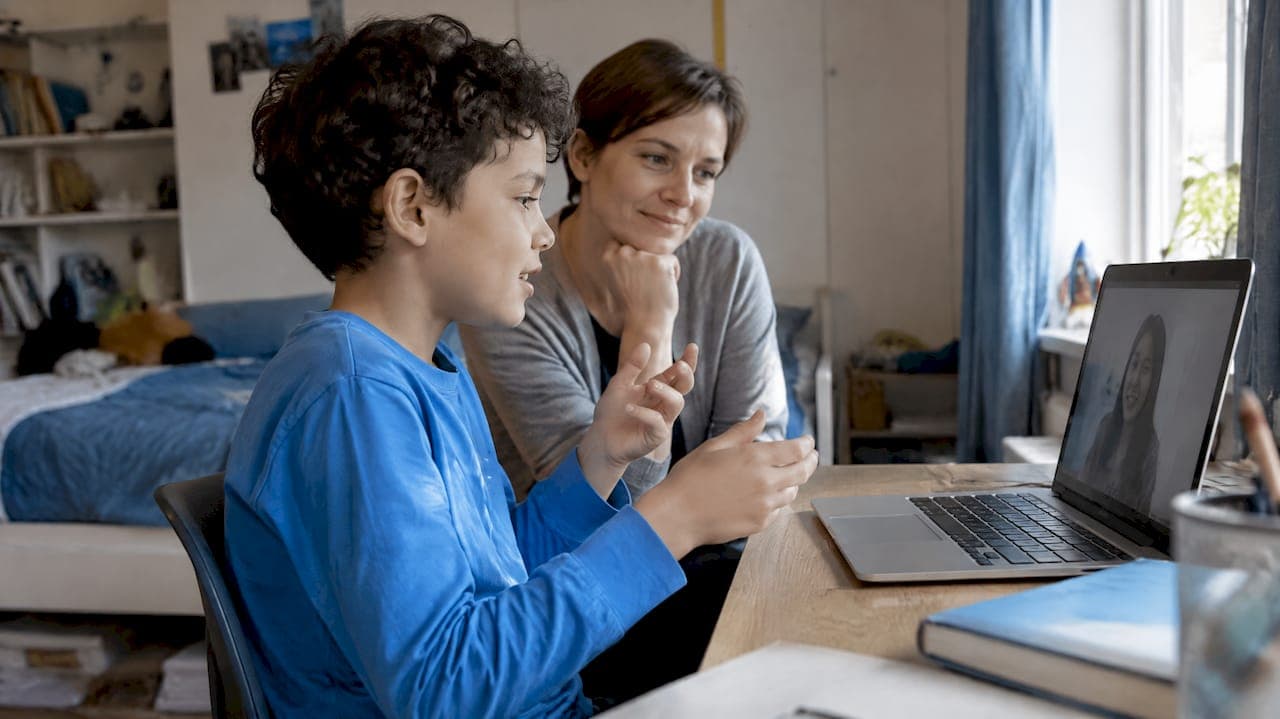
For toddlers, short mixed-media sessions with you alongside your child work best. For primary-age kids, regular one-to-one or small-group lessons paired with app practice build steady skills, while teens do well with one-to-one sessions or small targeted courses that match their goals. Early, sustained exposure brings real academic benefits, so the best next step is a short trial lesson to see what fits your child.
TL;DR:
- For ages 2 to 4, use 10 to 15 minute sessions two to three times weekly; teens generally need 45 to 60 minutes once or twice weekly.
- Small groups include two to six children and add peer motivation; self paced apps offer flexibility but depend on children’s motivation to continue.
- Before committing, use a trial to check the tutor’s experience with children, ask for measurable learning goals, and confirm privacy and rescheduling policies.
- For children aged two to five, the APA recommends around one hour daily of quality programming, while supervised educational video calls differ from passive viewing.
- Track progress through unprompted phrases and short spoken checks every few weeks, since listening and speaking often develop faster than reading and writing.
Table of Contents
- Types of online lessons: live 1:1, small groups, self-paced and blended options
- Age suitability: session length, frequency and activity types
- What to look for in an online lesson or tutor: a parent checklist
- Languages and curriculum: common choices for kids and how levels map to progress
- Screen-time, safety and evaluating educational tech: research-backed guidance
- Why personalised one-to-one tutoring works and how we support parents
- Methods to assess a child's language level and track progress over time
- Recommended interactive tools and materials for engaging children in online lessons
- Tips for scheduling and managing lesson routines to maintain children's motivation
- How to create an effective learning environment at home for online language lessons
- Author perspective: a simple approach for parents ready to act
- Tutoroo option: how we help parents find online tutors quickly
- FAQ
- Sources
Types of online lessons: live 1:1, small groups, self-paced and blended options
Online language lessons for kids generally come in four formats, and each suits a different stage of learning.
Live one-to-one lessons pair your child with a tutor for personalised, full-attention practice. The tutor adjusts pace, corrects pronunciation in real time, and builds lessons around your child's interests, which makes this format strong for shy learners or kids who need focused speaking practice. Live small-group classes bring two to six children together, adding peer interaction and a bit of friendly competition that can motivate kids who enjoy social learning. Self-paced apps and courses let children work through games, videos, and quizzes on their own schedule, which suits families juggling busy weeks but relies on a child's own motivation to keep going. Blended models combine a weekly live lesson with self-paced practice in between, giving kids the accountability of a tutor plus extra repetition at low cost.
In practice, a live 1:1 session might include a picture-based vocabulary game, a short role-play conversation, and a song to close. A small group class often runs a dialogue drill followed by a simple group activity. Self-paced platforms typically rotate flashcards, listening exercises, and short recorded speaking tasks. Our guide to online tutoring examples walks through more of these activities in detail.
- Live 1:1: best for personalised pacing and speaking confidence.
- Small group: best for social motivation and affordable live practice.
- Self-paced: best for flexible, low-pressure repetition between lessons.
Age suitability: session length, frequency and activity types
Session length and structure matter more than total hours logged. Matching the format to your child's attention span keeps lessons enjoyable rather than exhausting.
- Ages 2 to 4: 10 to 15 minute sessions, two to three times a week, built around songs, picture naming, and short rhymes with a parent nearby.
- Ages 5 to 8: 20 to 30 minute sessions, two to three times a week, mixing short dialogues, storytelling, and simple games.
- Ages 9 to 12: 30 to 45 minute sessions, one to three times a week, with structured conversation practice, reading passages, and light grammar work.
- Ages 13 and up: 45 to 60 minute sessions, once or twice a week, focused on conversation fluency, exam preparation, or specific goals like travel or exchange programmes.
Watch for restlessness, wandering attention, or reluctance to join a session. These are signs to shorten the lesson or space sessions further apart rather than pushing through. If your child finishes a session eager to use a new phrase at dinner, the length and cadence are working.
What to look for in an online lesson or tutor: a parent checklist
Choosing a course or tutor gets easier with a short checklist in hand. Look past flashy marketing and check these fundamentals before booking anything ongoing.
- Curriculum clarity: ask what your child will be able to say or understand by the end of the term, not just which chapters they'll cover.
- Experience with children: a tutor who has taught kids before will have games, patience, and pacing ready; ask directly during a trial.
- Trial lessons and transparent pricing: a short sample lesson shows teaching style and fit before you commit to a block of classes.
- Platform safety and privacy: check how messaging works, who can contact your child, and how lesson recordings or data are handled.
- Scheduling flexibility: confirm the policy for rescheduling or missed classes before signing up for a recurring plan.
Pro Tip: Use the trial lesson to ask the tutor one open question, such as "how would you handle a child who gets bored halfway through?", and listen for a specific, practical answer.
Our guide to lessons that build real speaking skills covers more on spotting a tutor who prioritises active conversation over passive drilling.
Languages and curriculum: common choices for kids and how levels map to progress
Spanish, French, Mandarin, German, Italian, Portuguese, and English for non-native speakers are among the most commonly chosen languages for children learning online, largely because of strong tutor availability and clear beginner materials.
Many children's courses loosely follow CEFR-style progression, starting at pre-A1 or A1 with basic greetings, familiar vocabulary, and simple present-tense phrases, then building toward A2 and B1 over one to two years of consistent study. Expect a first year to focus heavily on listening comprehension and spoken confidence rather than writing or formal grammar, since young learners absorb sound patterns faster than rules.
- Foreign-language starters benefit from frequent, short, high-repetition sessions that build vocabulary gradually.
- Heritage-language learners often already have listening comprehension and benefit more from oral storytelling and family-centred activities that reinforce identity alongside literacy.
Sustained exposure matters more than age of starting: ACTFL research notes that younger learners can reach high long-term proficiency when exposure approximates natural, everyday use, while older children sometimes progress faster at first simply because they learn more efficiently in limited time.
Screen-time, safety and evaluating educational tech: research-backed guidance
The American Psychological Association recommends around one hour a day of high-quality programming for children aged two to five, but treats supervised, educational video-chatting differently from passive screen time, since it involves real interaction rather than passive viewing.
The practical takeaway for parents choosing kids' language lessons: judge a platform by what your child can actually say or understand afterwards, not by how flashy or game-like it looks. Simple, focused designs that avoid multitasking tend to produce better learning outcomes than apps stuffed with badges and rewards. Sitting nearby during a lesson, repeating new phrases together afterwards, or asking your child to teach you a new word all turn screen time into spoken practice rather than passive exposure.
Why personalised one-to-one tutoring works and how we support parents
Personalised matching puts your child in front of a tutor suited to their age, goals, and personality, which makes steady progress far easier to track than with generic group content. There are many language tutors available across dozens of languages, so you can search by language, availability, and teaching style rather than settling for whoever happens to be free.
Direct messaging lets you ask about a tutor's experience with children before booking, and lesson trials let you observe teaching style firsthand. For added peace of mind, sit in on early sessions, ask tutors for a brief outline of their lesson plan, and confirm how progress will be reported back to you.
Methods to assess a child's language level and track progress over time
Tracking progress works best when it's concrete rather than vague. Rather than asking "is my child improving?", look for specific, observable markers over time.
A simple baseline check at the start, such as counting how many phrases your child can produce unprompted, gives you something to compare against later. Many tutors use informal spoken assessments every few weeks: a short recorded conversation, a retelling of a familiar story, or a set of comprehension questions about a short passage. These give a clearer picture than quiz scores alone, since speaking and listening typically develop faster than reading and writing in young learners.
Keep a simple log of new vocabulary your child uses spontaneously at home, not just in lessons. If your child starts mixing in a new phrase while playing or at dinner, that's a stronger sign of progress than a high score on an app quiz. Ask your tutor for a brief termly note on what your child has mastered and what's next, so progress markers stay specific rather than a general "doing well". For heritage-language learners, track listening comprehension and confidence separately from literacy, since these often develop at different speeds.
Recommended interactive tools and materials for engaging children in online lessons
The right materials keep young learners engaged without turning a lesson into a video game. Favour simple, focused tools over ones packed with distracting extras.
Picture flashcards and digital whiteboards let tutors introduce vocabulary visually, which works well for pre-readers. Short, child-appropriate video clips or songs in the target language give listening practice a bit of rhythm and repetition without feeling like a drill. Puppets, props, or simple realia (real objects a tutor holds up on camera) help toddlers and younger children connect words to meaning quickly. For primary-age kids, simple digital games built around matching, sequencing, or storytelling reinforce vocabulary between live lessons, and our roundup of language learning apps compares several options worth pairing with live tutoring.
For older kids and teens, short authentic materials such as a children's news clip, a simple comic, or a song with lyrics printed alongside give context and cultural texture. The goal with any tool is the same at every age: it should prompt your child to speak, listen, or respond, not just tap through screens passively.
Tips for scheduling and managing lesson routines to maintain children's motivation
Consistency matters more than intensity when it comes to keeping kids motivated. A predictable routine removes the daily negotiation over whether a lesson happens.
Pick a regular day and time that doesn't compete with after-school tiredness or screen fatigue, right after a snack tends to work better than right before bed. Keep the same tutor where possible, since familiarity builds comfort and lets lessons build on previous ones rather than starting fresh each time. Pair each live lesson with a short, five to ten minute practice moment at home, such as naming objects around the house or repeating a phrase from the lesson, which reinforces learning without feeling like homework.
Celebrate small wins out loud, a new phrase used correctly, a song remembered, a sentence formed unprompted, since this kind of recognition keeps younger children motivated far more than grades or scores. If motivation dips, check whether the lesson length or pace has outgrown your child rather than assuming they've lost interest in the language itself. Our weekly workflow guide for parents has a practical routine template worth adapting to your family's schedule.

How to create an effective learning environment at home for online language lessons
A calm, consistent physical setup helps young learners focus far more than any app feature does. Small adjustments to the space make a noticeable difference.
Choose a quiet spot with decent lighting and a stable internet connection, away from siblings, television, or other screens that compete for attention. Keep a small set of lesson materials, such as a notebook, coloured pencils, or flashcards, in the same spot so setup doesn't eat into lesson time. For younger children, sitting nearby during the first few minutes helps settle nerves and lets you model engagement, though stepping back once they're comfortable encourages independence.
Outside of lesson time, sprinkle in small exposures to the language: a song in the car, labelling household objects, or a short cartoon in the target language. These moments add up alongside structured lessons and reinforce the idea that the language is something lived, not just studied for half an hour a week.
Author perspective: a simple approach for parents ready to act
Our recommendation is straightforward: book a short one-to-one trial matched to your child's age, then pair it with ten minutes of home practice a few times a week. Sustained exposure, not marathon sessions, is what drives real progress. Beyond that, prioritise a tutor your child actually enjoys talking to and ask for clear, specific progress notes each term rather than vague reassurance.
— TUTOROO
Tutoroo option: how we help parents find online tutors quickly
Finding a tutor shouldn't take weeks of searching. Our platform connects you directly with private language tutors from a global network, so you can search by language, check availability, and message a tutor before booking anything.
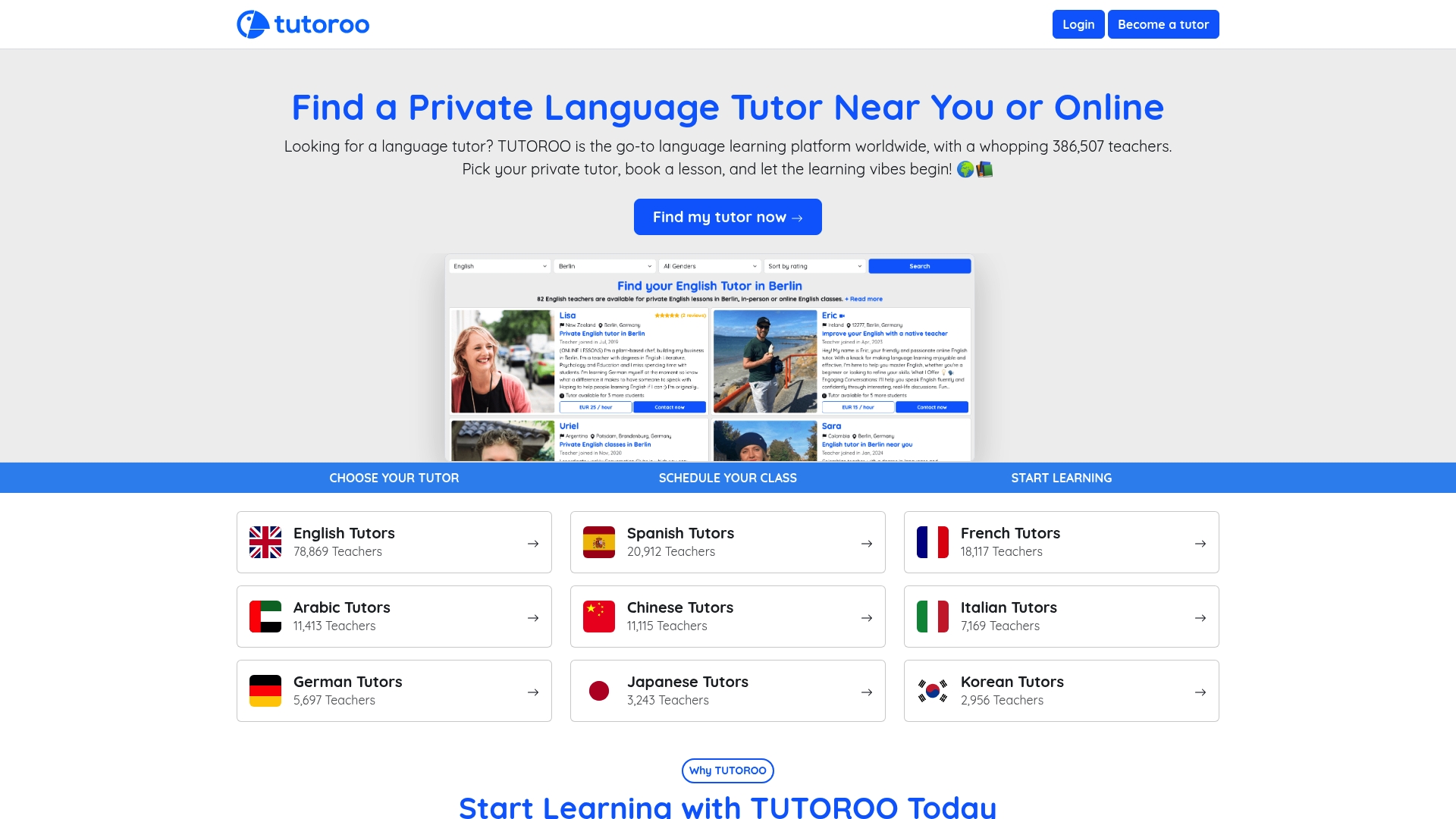
- Browse tutors by language, from English and Spanish to French, Japanese, and Chinese/Mandarin.
- Message tutors directly to ask about experience teaching children before you book.
- Start with a single trial lesson to see how your child responds before committing to a regular schedule.
If you're ready to see what a good fit feels like, search for a tutor on TUTOROO and book a first lesson this week.
FAQ
What's the best online language lesson format for a toddler?
Short, mixed-media sessions of around 10 to 15 minutes, with a parent sitting nearby, tend to work best for toddlers. Songs, picture naming, and simple rhymes hold attention far better than longer structured lessons at this age.
How many online language lessons per week does a child need?
Younger children generally do well with two to three short sessions a week, while teens often manage with one or two longer sessions focused on conversation. Regular, brief exposure tends to build retention more reliably than a single long weekly class.
Is screen time for language lessons bad for young children?
The American Psychological Association distinguishes supervised, interactive learning from passive screen time, recommending around one hour a day of high-quality programming for children aged two to five. Educational video-chatting with a real tutor falls into a different category from passive viewing.
Does starting a language young actually make a difference?
Younger starters can reach strong long-term proficiency when their exposure resembles natural, everyday use of the language, according to ACTFL research. Older children sometimes progress faster at first simply because they learn more efficiently with limited instructional time, but consistent exposure still matters most.
How much do online language lessons for kids typically cost?
Pricing varies by tutor experience, language, and lesson length, so it's worth checking rates directly when browsing tutor profiles. On our platform, you can message tutors to confirm their rates and scheduling before booking a trial lesson.
Sources
For deeper reading on the research behind this guide, these sources cover the academic benefits of early language study and guidance on healthy technology use for children.
- Academic benefits of world language study (ACTFL)
- Digital guidelines: Promoting healthy technology use for children (APA)