

Flexible scheduling for private language tutoring is the agreement between a student and tutor that lets both parties set, adjust and book lesson times, formats and recurring patterns around real-life commitments — whether that means work shifts, university timetables or family routines. Students: book a timed trial lesson and propose a recurring weekly slot before your first session ends. Tutors: publish your weekly availability and set a minimum-notice period before going live on any platform.
Three trusted reference points shape this guide:
- The University of Sydney's research on tutoring prevalence and safety concerns in Australia
- The Australian Tutoring Association, which sets voluntary quality benchmarks for the sector
- Tutoroo, a global marketplace of over 386,000 language tutors that connects students with tutors locally and online
Key takeaways
Flexible scheduling for private language tutoring works best when both parties agree on recurring slots, clear cancellation rules and verified credentials from the very first lesson.
| Point | Details |
|---|---|
| Define the arrangement | Flexible scheduling is the student-tutor agreement covering lesson times, formats and notice periods. |
| Verify before booking | Always confirm qualifications and Working With Children Check status before a first lesson with a minor. |
| Protect your rhythm | A recurring weekly slot reduces cancellations and builds the consistent momentum that drives progress. |
| Plan for a ramp-up | Tutors typically need 2–3 months to stabilise a full timetable; start with a trial then move to a short block. |
| Start with Tutoroo | Browse over 386,000 language tutors on Tutoroo, filter by availability, and book a trial lesson to get started. |
Table of Contents
- Why does flexible scheduling improve learning outcomes?
- What does flexible scheduling look like in practice?
- Checklist: what to set up before your first flexible lesson
- Safety and quality checks for Australian tutoring
- How to negotiate a flexible schedule
- Scheduling templates for common student situations
- How long does it take to build a stable schedule?
- Tutoroo's perspective on flexible scheduling
- Tutoroo makes flexible language lessons easy to find
- Sources
Why does flexible scheduling improve learning outcomes?
Personalised instruction that adapts schedule and content to individual goals consistently outperforms rigid, one-size-fits-all models. Tutoroo's own platform data shows flexible language tutoring produces a 12% average boost in test scores compared with fixed-format lessons, alongside measurable gains in learner confidence. Flexibility is a pedagogical tool, not merely a scheduling convenience.
A significant share of Australian students now receives private tutoring, yet the sector remains largely unregulated, raising real concerns about equity, quality and child safety.
The access benefits are equally significant. Working adults, shift workers, parents of young children and regional learners all face timetable constraints that make fixed weekly class times unworkable. A tutor who offers evenings, weekends or short mid-week micro-lessons opens the door to learners who would otherwise go without consistent instruction. The role of scheduling in language learning is well documented: steady rhythm over time produces better retention than intensive bursts.
For tutors, the benefits are practical. Advertising evening and weekend availability attracts a wider pool of candidates, fills timetable gaps faster and improves long-term match rates.

What does flexible scheduling look like in practice?
Private language lessons take several distinct shapes, and knowing which format fits your situation saves time for both parties.
- Recurring weekly slots — the same time each week, booked in advance for four, eight or twelve weeks. Protects rhythm and reduces last-minute cancellations.
- Ad-hoc / on-demand lessons — booked as needed, with no fixed pattern. Suits irregular schedules but risks momentum gaps.
- Micro-lessons (15–30 minutes) — short, focused sessions ideal for exam cramming or vocabulary revision. Works best online.
- Block bookings — a prepaid bundle of lessons (typically 4–10) used across a set period. Often offered at a small discount.
- Hybrid arrangements — a mix of online video lessons and occasional in-person sessions, useful when a student travels or a tutor's local availability changes.
Delivery formats include video call (Zoom, Google Meet, or a platform's built-in room), in-person at a library or café, and asynchronous feedback (a tutor reviews a recorded speaking exercise and returns written notes). For cross-region or interstate lessons, timezone management matters more than most people expect. Scheduling guides recommend setting minimum booking notice of 12–24 hours and a maximum booking advance of 60–90 days as sensible defaults.
Pro Tip: Always verify that both your profile timezone and your calendar app timezone match, especially around daylight saving transitions in October and April. A single-hour mismatch is the most common cause of missed lessons.
Checklist: what to set up before your first flexible lesson
Getting the mechanics right from the start protects both parties.
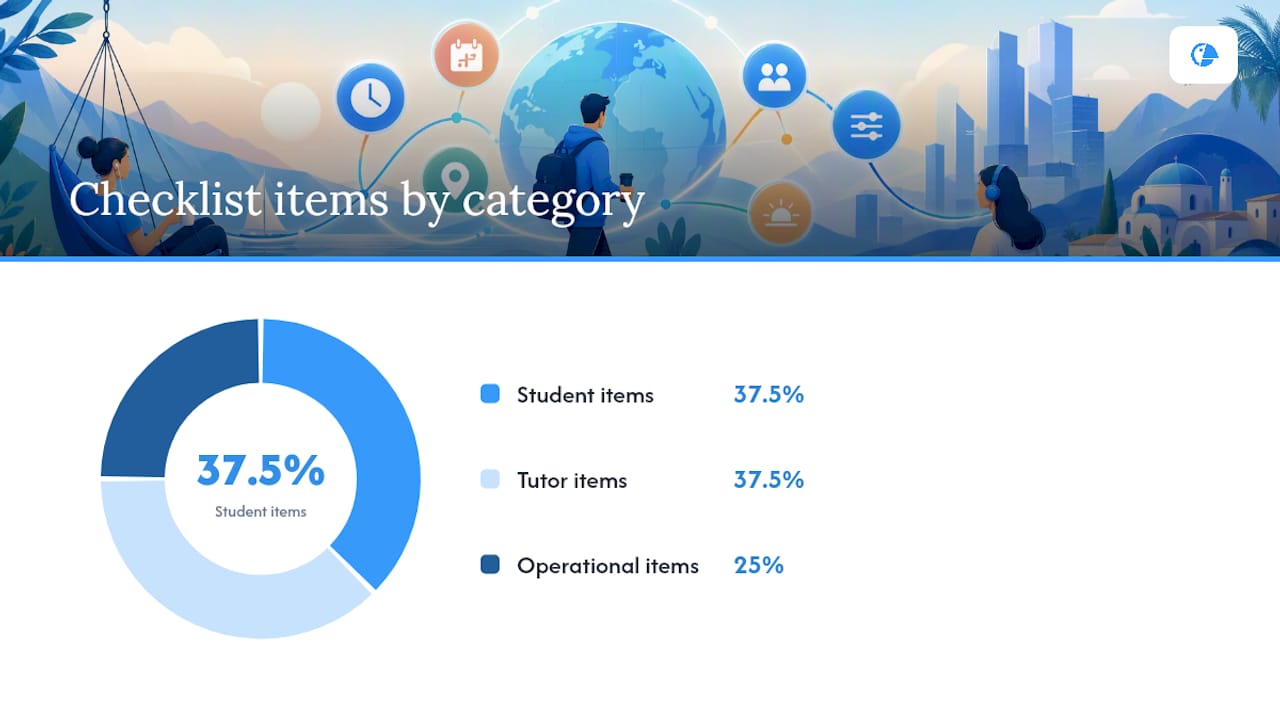
For students:
- Confirm the tutor's qualifications and any advertised teacher registration
- Request evidence of a Working With Children Check (WWCC) if lessons involve a minor
- Check the tutor's live availability calendar before proposing a slot
- Read the cancellation and minimum-notice policy carefully
- Ask whether trial lessons are available and how long they run
- Confirm accepted payment methods and whether block packages are offered
For tutors:
- Publish a clear weekly availability block on your profile
- Set a minimum booking notice (12–24 hours is a practical default) and a maximum advance booking window
- Enable calendar sync so double-bookings are impossible
- Automate lesson reminders via SMS or email at least 24 hours before each session
- Offer a recurring-slot option as the default booking type
- List accepted payment flows clearly (bank transfer, platform payment, or direct)
Operational items worth confirming for both parties: timezone display on the booking page, how lesson links or room codes are shared, emergency rescheduling rules, and whether a parent or guardian needs booking access for a minor's account.
Pro Tip: Recurring slots are the single most effective way to protect learning rhythm. A student who books the same Tuesday evening slot each week is far less likely to cancel than one who books ad-hoc each time.
Safety and quality checks for Australian tutoring
Australia's tutoring sector is growing fast, but it remains largely unregulated. A University of Sydney study found that at least one in seven Australian students receives private tutoring, and the researchers called for a national audit, mandatory child-safety checks and formal accreditation pathways. Education Matters Magazine's coverage of the same research highlights that rapid sector growth risks deepening inequity when families cannot easily verify who is teaching their child.
Before booking, take these steps:
- Ask for formal qualifications or teacher registration documentation
- Request WWCC evidence for any tutor working with minors — this is non-negotiable
- Confirm a written cancellation and refund policy exists
- Look for advertised references, reviews or a verifiable teaching history
- Check whether the platform displays credential verification badges on tutor profiles
Red flags to watch for: a tutor who refuses to share credentials, requests payment entirely outside the platform with no written agreement, has no stated cancellation policy, or shows inconsistent availability patterns without explanation.
How to negotiate a flexible schedule
Clear communication before the first lesson prevents most scheduling disputes. Ask a prospective tutor these questions:
- What days and times are you regularly available?
- What is your minimum notice period for cancellations?
- Do you offer make-up lessons for tutor-initiated cancellations?
- Is a trial lesson available, and how long does it run?
- Can we set a recurring weekly slot, and for how many weeks?
- Which timezone does your calendar display in?
Sample student message: "Hi [Tutor name], I'm interested in weekly Spanish lessons, ideally Tuesday evenings between 7 PM and 9 PM AEST. Would you be available for a 30-minute trial first? I'd also like to understand your cancellation policy before we confirm a recurring slot."
Sample tutor response: "Thanks for reaching out. I have Tuesday 7:30 PM AEST available most weeks. I ask for 24 hours' notice for cancellations; make-up lessons are offered for my cancellations only. Happy to start with a 30-minute trial — I'll send a calendar invite once you confirm."
A short starter agreement should cover: lesson frequency, minimum notice period, fee per lesson, payment method, and what constitutes a cancellation versus a reschedule. Confirm everything in writing, use automated calendar invites for recurring slots, and review the arrangement after the first four sessions.
Scheduling templates for common student situations
Real-life constraints map to a handful of repeatable patterns. Here are three you can adapt immediately.
-
Working adult, evening weekly: Tuesday and Thursday, 7:30–8:30 PM. Tutor publishes availability as Mon–Fri 6–9 PM. Student books a recurring 8-week slot. Mid-term review after week four.
-
University student, exam-prep micro-lessons: Monday, Wednesday, Friday, 25-minute sessions at lunchtime. Tutor blocks 12:00–12:30 PM on those days. Student books ad-hoc within a prepaid 10-lesson block, using sessions as needed in the fortnight before exams.
-
Family weekend double block: Saturday 9–10 AM for a child's lesson, followed by 10:15–11:15 AM for a parent. Tutor lists Saturday mornings as a dedicated family slot. Both lessons booked as a recurring pair for the school term.
When a student's availability shifts mid-term (school holidays, a new job roster), the simplest fix is a two-week pause rather than a full cancellation. Tutors can hold the recurring slot for a short break by agreement, then resume without re-negotiating the whole arrangement. For practical timetable templates tutors can paste into profiles, Tutoroo's tutor blog offers ready-to-use examples.
How long does it take to build a stable schedule?
Setting realistic expectations matters for both sides. Industry reporting on remote tutoring in Australia finds that tutors commonly report needing several months to establish a consistent, reliable student base when starting out on a platform.
Tutors typically need a few months to stabilise a full, recurring timetable — plan for a gradual ramp-up rather than expecting a full schedule in week one.
Common fee models in Australian private language tutoring:
- Pay-as-you-go: billed per lesson, maximum flexibility, no commitment required
- Block packages: 4–10 prepaid lessons at a small discount, builds commitment on both sides
- Monthly subscriptions: a set number of lessons per month at a fixed rate, suits students with predictable schedules
- Trial lesson pricing: often offered at a reduced rate or free for the first session
Factor platform commissions or introduction fees into your pricing from the start; learn more about recurring sessions, block bookings and trial lessons at General Services | Enhance Learning Today. Tutoroo charges students a matching fee when they connect with a tutor; ongoing lessons are paid directly between student and tutor, which keeps per-lesson costs transparent. A practical starting path: run a trial lesson, then move to a 4–8 week block or a recurring slot to build momentum before committing to a longer arrangement. Personalised one-on-one lessons tend to deliver the strongest results when that rhythm is protected consistently.
Tutoroo's perspective on flexible scheduling
From where Tutoroo sits as a marketplace, flexible scheduling is the operational backbone of every successful tutor-student match. When a tutor publishes clear availability, sets a minimum-notice policy and displays verified credentials on their profile, the matching process moves faster and the resulting lessons last longer. Tutoroo's messaging system lets students and tutors negotiate times directly before any money changes hands, which means the schedule is agreed and understood by both parties from day one.
A large, diverse tutor network — over 386,000 teachers across dozens of languages — means students rarely have to compromise on timing. Whether a learner needs Mandarin at 6 AM before a morning shift or French on Sunday afternoons, there is almost always a tutor whose availability aligns. That match quality, combined with a protected recurring slot, is what turns a single trial lesson into months of consistent progress.
Tutoroo makes flexible language lessons easy to find
Tutoroo connects Australian students with private language tutors who offer genuine scheduling flexibility — evenings, weekends, short micro-lessons or recurring weekly slots across more than 50 languages. Search filters let you narrow by language, location and availability, and the built-in messaging system means you can confirm a schedule, review credentials and agree on a cancellation policy before paying anything.
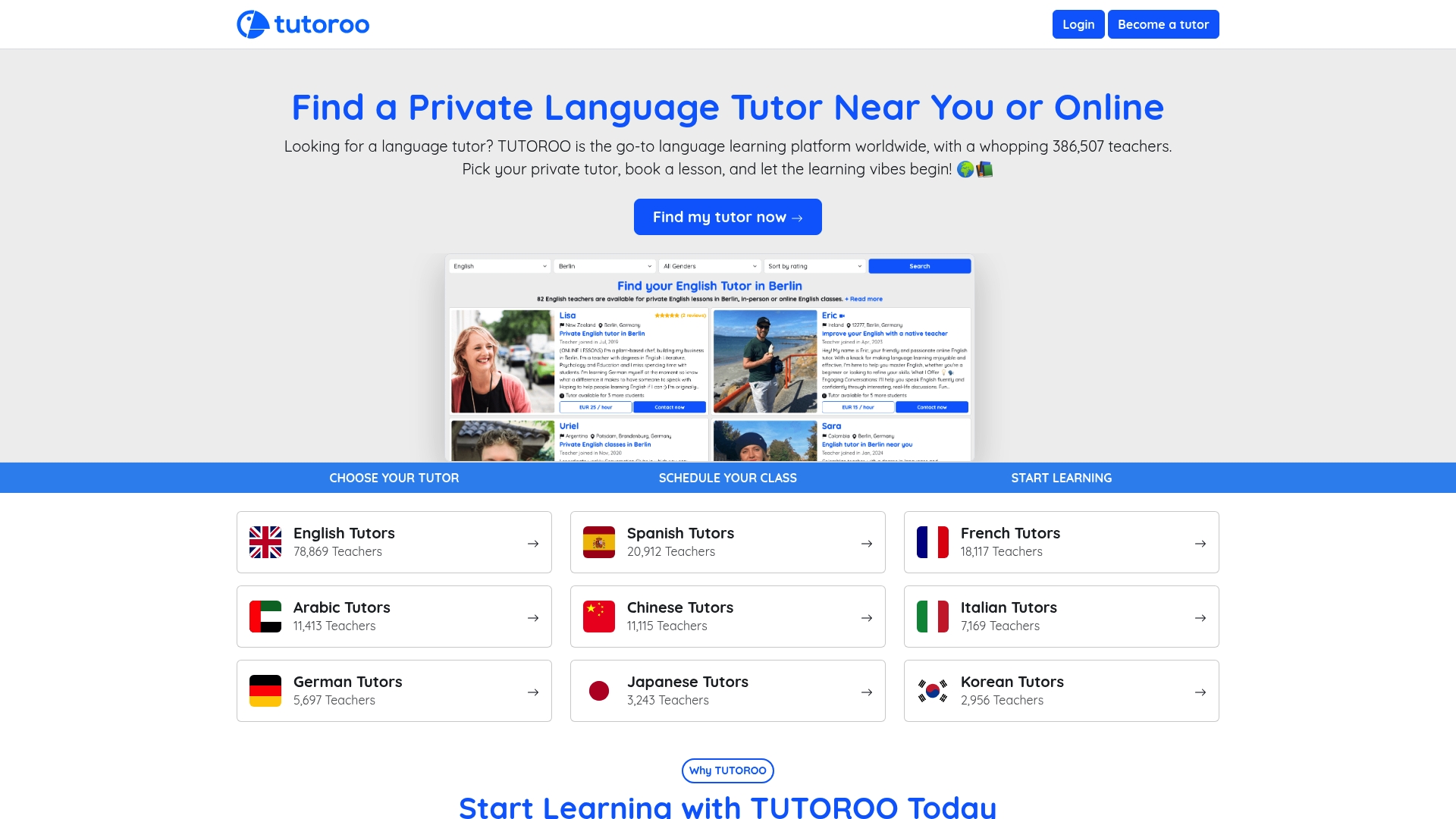
Every tutor profile displays advertised qualifications and, where listed, safety credentials. For lessons involving minors, always confirm Working With Children Check status directly with the tutor before booking. When you are ready to find a tutor whose hours genuinely fit your life, browse private language tutors on Tutoroo and book a trial lesson today.
Sources
The following sources informed this guide and are worth bookmarking for deeper reading:
- Unregulated and unfair: How private tutoring is falling short for families - The University of Sydney
- Unregulated tutoring industry deepens inequity, researchers warn - Education Matters Magazine
- How do I schedule online tutoring lessons and let parents book their own slots? | Koala Go
- Why Australian teachers are going remote in 2026