
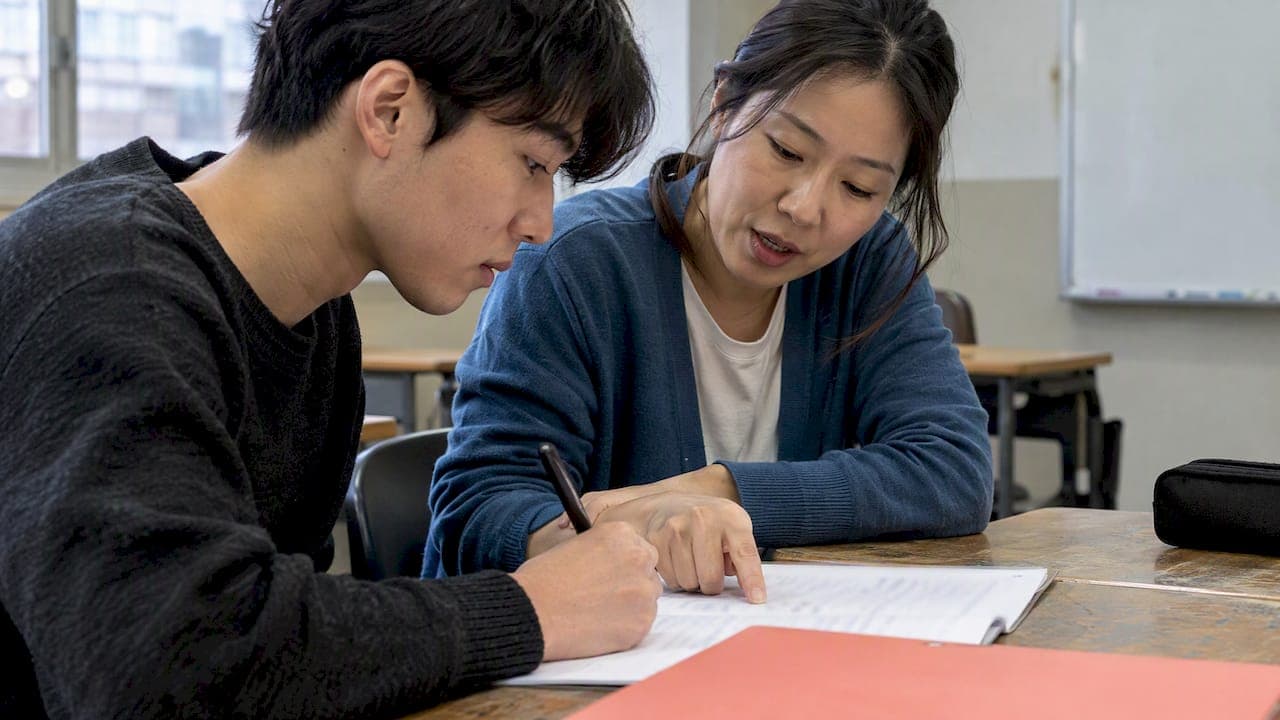
Private TOPIK tutoring is generally worth the investment if you want exam-specific gains, particularly in writing accuracy and test strategy, rather than general conversation practice. The return is strongest for intermediate learners aiming at TOPIK II or higher, and weakest when study time or budget is already stretched thin. Below, we unpack the evidence and show you how to apply it to your own preparation.
TL;DR:
- Tutoring yields the fastest progress in writing accuracy and exam strategy, especially for intermediate learners aiming for TOPIK II or higher.
- Effective tutoring should include rubric-based marking, timed practice, targeted grammar lessons, and regular feedback aligned with actual exam rubrics.
- Course-linked or tutor-supported prep significantly outperforms self-study alone in both scores and learner satisfaction, with modest gains in accuracy and strategic timing.
- Tutor selection should prioritize experience with TOPIK marking, including sample feedback, rather than general conversation skills alone.
Table of Contents
- What private tutoring actually delivers for TOPIK candidates
- What the research says about tutoring and Korean writing outcomes
- Who benefits most (and least) from private TOPIK tutoring
- Typical costs, timeframes and realistic score gains to expect
- How to choose a TOPIK tutor and what to ask in the first sessions
- Alternatives to private tutoring and when they are sufficient
- Evidence, platform proof points and what we recommend
- Our take: tutoring is a tool, not a shortcut
- Start your TOPIK preparation with the right tutor
- FAQ
- Sources
What private tutoring actually delivers for TOPIK candidates
A good TOPIK tutor does not just chat in Korean. We focus sessions on the specific skills the exam rewards: timed writing tasks, rubric-based marking, mock exams under real time pressure, and grammar drills tied directly to common error patterns. That exam-specific focus is what separates tutoring from casual conversation practice, and it is where most of the measurable improvement happens.
A productive session typically follows a simple arc. The tutor starts with a short diagnostic task to see where you are losing marks, moves into focused practice on that weak point, gives detailed feedback against the actual TOPIK rubric, and sets homework that reinforces the correction before the next lesson. Repeated over several weeks, this cycle builds habits that are hard to develop alone, mainly because learners often struggle to apply the TOPIK rubric objectively to their own writing, which means outside marking tends to matter more than extra solo writing time.
What this looks like in practice:
- Timed writing tasks that mirror the actual TOPIK II essay format and time limits.
- Rubric-based marking that flags exactly where marks are lost, not just general corrections.
- Short, regular feedback and revision cycles rather than one long session per week.
- Targeted grammar lessons built around your recurring mistakes, not a generic syllabus.
Pro Tip: Ask your tutor to mark one of your past TOPIK writing attempts in the first lesson. How specifically they explain the rubric will tell you a lot about how useful ongoing sessions will be.
What the research says about tutoring and Korean writing outcomes
The strongest evidence for tutoring's value sits in two places: studies on written corrective feedback and studies on course-linked tutoring specifically for TOPIK preparation.
Course-linked tutoring significantly raised TOPIK II scores and learner satisfaction compared with a standalone preparation course, largely because tutoring adapts to individual gaps that a fixed class schedule cannot address.
Separately, research on dynamic written corrective feedback (DWCF) for Korean learners found that this process, where a learner writes a short piece, receives coded feedback, revises, and repeats, significantly improved linguistic accuracy among intermediate learners. The cycle does not need to be long: even brief, regular practice slots produced meaningful gains, which is encouraging for anyone fitting tutoring around work or study.

A related study on intensive TOPIK writing preparation found that multi-week, process-oriented instructional programmes led to clear improvements in writing scores and TOPIK level outcomes, reinforcing that structured, repeated feedback rather than occasional conversation drives the result.
Key takeaways from this body of research:
- Accuracy in writing responds well to structured feedback and revision cycles.
- Course-linked or tutor-supplemented preparation tends to outperform standalone courses on both scores and satisfaction.
- Some written corrective feedback studies show accuracy gains without much change in fluency or complexity over short periods, so results should be read with modest expectations rather than treated as guaranteed score jumps.
In practical terms, writing accuracy and strategic time management tend to improve fastest under tutoring. Big leaps in listening comprehension or vocabulary breadth usually need more time and broader exposure than a tutoring block alone provides.
Who benefits most (and least) from private TOPIK tutoring
Tutoring is not equally valuable for everyone preparing for the exam. It tends to pay off most for a specific profile of learner and less for others.
You are likely to get strong value from tutoring if you:
- Already sit at an intermediate level and are aiming for TOPIK II or above.
- Keep losing marks on writing despite otherwise solid vocabulary and grammar.
- Need the TOPIK for a university application, visa, or job requirement with a firm deadline.
You may get a lower return on tutoring if you:
- Are an absolute beginner focused purely on basic conversation rather than the exam itself.
- Are highly disciplined, have ample study time, and are working with a tight budget that self-study and apps can stretch further.
Before committing, ask yourself three quick questions: Do I know exactly where I am losing marks, or am I guessing? Do I have a deadline that makes faster progress worth paying for? Have I already tried self-study long enough to know where it stalls? If your answers point to specific weak spots and real time pressure, tutoring is likely to earn back its cost.
Typical costs, timeframes and realistic score gains to expect
Private language tutoring rates vary by tutor experience, exam specialisation, and lesson length, so it is worth treating cost as a range rather than a fixed figure, and confirming current rates directly with any tutor you shortlist. Broadly, newer tutors or those without specific exam-marking experience sit at the lower end of the market, while tutors with TOPIK-specific marking experience and a track record of mock exams typically charge more, reflecting the extra prep and feedback time involved.
For exam-focused progress, cadence matters more than any single lesson. A weekly session paired with periodic mock-test blocks tends to work well for steady improvement, while an intensive four to eight week block of more frequent sessions suits learners with a fixed test date approaching fast.
To budget sensibly:
- Decide which sublevel jump you are targeting (for example, moving from TOPIK II level 3 to level 4).
- Estimate the number of focused hours that jump typically requires, based on your current writing and grammar accuracy.
- Divide your expected total spend by that hour estimate to get a rough cost-per-level figure you can compare against self-study alternatives.
Tutor availability and scheduling flexibility also affect how quickly you can move through a study plan, since consistent access to a tutor's time slots shapes how fast a structured programme can run.
How to choose a TOPIK tutor and what to ask in the first sessions
Picking the right tutor matters more than picking any tutor. Use this checklist before committing to a longer block of lessons.
- Ask whether the tutor has specific experience marking TOPIK writing against the official rubric, not just general Korean conversation experience.
- Request a sample marking of a past essay or short writing sample so you can see their feedback style firsthand.
- Ask how they structure feedback: do they use a coded or process-based approach similar to dynamic written corrective feedback, where you revise and resubmit?
- Confirm they include mock exams and timed practice, not only untimed grammar correction.
- Check their explanation of how TOPIK II essays are graded. A clear, specific answer is a good sign; a vague one is a flag to ask more questions or try another tutor.
A strong trial lesson should include a short diagnostic writing task, a quick rubric-based review, and a focused ten to twenty minute activity that lets you watch their feedback style in action before you commit to a longer programme. For a fuller walkthrough of what to look for, see our guide on choosing a Korean tutor.
Pro Tip: If a tutor cannot explain how the TOPIK writing rubric allocates marks, treat that as a signal to keep looking rather than hope their teaching style improves later.
Alternatives to private tutoring and when they are sufficient
Tutoring is not the only path to a good TOPIK score, and it is not always the most efficient one for every stage of preparation.
- Apps and spaced-repetition tools are strong for building vocabulary and reinforcing grammar patterns through repetition, but they fall short on nuanced, exam-specific writing feedback, which can let small errors become fixed habits.
- Group classes build a solid foundation and give useful speaking practice, though marking tends to be general rather than tailored to your individual writing patterns.
- A hybrid approach, using apps or group classes for vocabulary and grammar drills while booking targeted tutoring sessions specifically for writing feedback, is often the most cost-effective route for learners on a budget. AI-assisted teaching tools can support this hybrid model well for drilling, even if they are not a substitute for a tutor's rubric-based correction.
Evidence, platform proof points and what we recommend
The research points in one clear direction: structured feedback and timed practice drive measurable gains, while casual conversation alone rarely moves a TOPIK score. Our experience connecting learners with tutors points the same way, supported by internal data showing tutoring can accelerate test preparation and findings that tutoring support can help learners progress faster than self-study alone.
Our practical recommendation: book a diagnostic lesson, request a sample marking of your own writing, and if TOPIK II is the goal, commit to a focused four to eight week block built around mock exams and revision cycles. Be realistic about what tutoring speeds up fastest: writing accuracy and exam strategy improve quickly under good feedback, while broader fluency and listening comprehension usually need sustained exposure over a longer stretch.
Our take: tutoring is a tool, not a shortcut
The honest verdict is that tutoring works best as a precision tool for specific weak points, not a blanket fix for exam anxiety or a substitute for consistent study. Conventional advice often oversells tutoring as a guaranteed score boost, when the research actually shows accuracy and strategy improving faster than fluency or complexity in short timeframes.
What gets overlooked is how much the marking quality matters more than the hours booked. A tutor who gives vague, encouraging feedback without rubric detail is not much better than an app, while one who marks against the actual TOPIK criteria and pushes revision cycles can shift your score meaningfully in weeks.
If you take one thing from this, prioritise finding a tutor who can mark like the exam does before worrying about lesson frequency or price. Everything else, cadence, intensity, and budget, should follow from that first decision rather than precede it.
— TUTOROO
Start your TOPIK preparation with the right tutor
If the evidence has you leaning toward tutoring, the practical next step is simple: find a tutor who already knows the TOPIK rubric inside out, rather than one who is learning it alongside you.
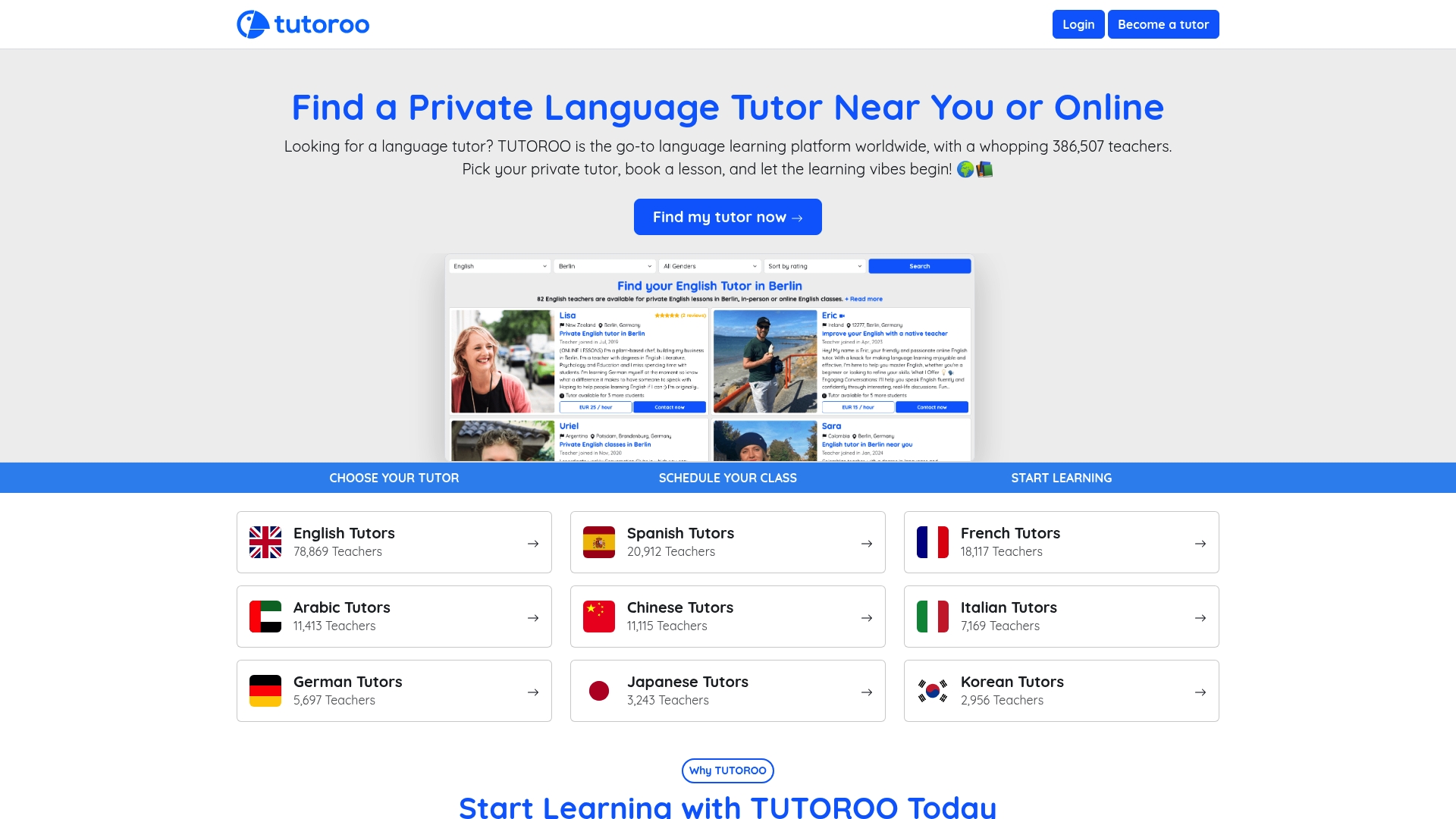
On our Korean tutors page, you can browse profiles, check experience with exam marking, and message tutors directly before booking anything. In your trial lesson, ask for a sample marking of a past writing attempt and a short test-focused lesson plan so you know exactly what a longer block would involve. Beyond Korean, our platform connects learners with tutors across dozens of languages, so if TOPIK is just one part of a broader language goal, you can explore the full range of options at Tutoroo and book a trial lesson whenever you are ready.
FAQ
Is $50 an hour too much for tutoring?
Tutoring rates vary widely by language, tutor experience, and exam specialisation, so hourly rates differ significantly across tutors. It is worth judging the rate against what is included, such as rubric-based marking, mock exams, and structured feedback, rather than the hourly figure alone.
How long does it take to learn TOPIK 1?
There is no single fixed timeline, since it depends on your starting level, study intensity, and how much structured feedback you get along the way. Learners who combine regular study with focused, exam-specific practice tend to progress through TOPIK I content faster than those relying on general conversation practice alone.
How much do Korean tutors cost?
Korean tutor rates depend on experience, exam specialisation, and lesson length, so costs are best confirmed directly with individual tutors rather than assumed from a single average. Tutors with specific TOPIK marking experience and mock-exam preparation typically charge more than general conversation tutors.
Is it worth getting a language tutor?
A tutor is generally worth it when you have a specific goal, such as an exam deadline, and need structured feedback that self-study cannot easily provide. Research on written corrective feedback for Korean learners supports this, showing that regular, structured feedback cycles meaningfully improve writing accuracy compared with unguided practice.
Sources
- The Effects of Course-linked Tutoring on Learners’ Achievement of Korean Language Proficiency: a Comparative Study with Course
- Study on intensive TOPIK writing preparation showing writing-score improvements
- The effect of dynamic written corrective feedback for learners of Korean