

TL;DR:
- Tailor your language learning method to your specific goals and personal schedule.
- Use spaced retrieval practice and extensive reading to enhance memory and fluency.
- Consistency and enjoyment are key to sustaining progress and achieving real results.
Choosing the right language learning method can feel genuinely overwhelming. There are apps, tutors, immersion programmes, flashcard systems, and reading plans, each promising faster results than the last. For Australians learning a language for travel, career advancement, or exam success, the stakes are real and the options are many. This article cuts through the noise by laying out the highest-rated, evidence-backed methods, matching each one to specific learner goals, and offering practical guidance so you can make a confident, informed decision about where to invest your time and energy.
Table of Contents
- How to pick the right language learning method
- Spaced retrieval practice: memory boost for all learners
- Extensive reading: develop fluency and confidence
- Immersion-based learning: the shortcut to real-world fluency
- Technology and positive psychology: sustaining motivation and results
- A practical take: why the best method is the one you'll actually stick with
- Ready to make faster progress? Find the right tutor or programme
- Frequently asked questions
Key Takeaways
| Point | Details |
|---|---|
| Tailor your method | Choosing the right method depends on your language goals, lifestyle, and preferences. |
| Use spaced retrieval | Reviewing vocabulary and grammar at spaced intervals gives you the strongest, lasting memory boost. |
| Read widely for fluency | Extensive reading in your target language develops all major skills and keeps motivation high. |
| Embrace immersion | Regular, immersive experiences—either abroad or online—accelerate real-world conversational ability. |
| Combine methods and stay positive | Mixing tech tools, expert guidance, and a resilient mindset is the proven path to learning success. |
How to pick the right language learning method
Before you commit to any single approach, it pays to get clear on what you actually want from language learning. Your goal shapes everything, from how much time you need to invest each week to which skills you should prioritise first.
Start by identifying your primary motivation. Common goal types include:
- Travel conversation: You need practical phrases, listening skills, and the confidence to navigate real situations abroad.
- Academic test preparation: You require structured grammar knowledge, formal writing, and reading comprehension under timed conditions.
- Business competency: You want professional vocabulary, email etiquette, and the ability to hold meetings or negotiations.
- General fluency: You are building broad, balanced skills across speaking, reading, writing, and listening over the long term.
Once your goal is clear, weigh up your constraints honestly. How many hours per week can you realistically commit? What is your budget? Do you learn better through conversation, reading, or structured exercises? These factors matter just as much as the method itself.
The key insight here is that no single method fits every learner. Tailoring your approach to your personality and schedule is what separates learners who make rapid progress from those who stall. Exploring proven methods for success and understanding different tutoring styles can help you narrow your choices quickly.
Pro Tip: Combine two complementary methods rather than relying on one alone. Pairing structured reading with regular speaking practice, for example, accelerates both comprehension and confidence simultaneously.
Spaced retrieval practice: memory boost for all learners
Once you know your criteria, it is time to look at the technique that cognitive science consistently ranks above all others for building language memories that genuinely stick.
Spaced retrieval practice means reviewing vocabulary and grammar at planned, gradually increasing intervals rather than cramming everything in one sitting. Instead of spending three hours studying on Sunday, you spend fifteen minutes on Monday, revisit the same material on Wednesday, then again the following week. Each recall attempt strengthens the memory trace.
The evidence is striking. Spaced retrieval practice is ranked the top research-backed technique for language learning, enhancing long-term memory through recalling language items at increasing intervals. Psycholinguists place it above rereading, highlighting, and even many structured classroom activities for pure retention power.
This method suits learners at every stage, whether you are memorising travel phrases before a holiday, building vocabulary for a professional certification, or revising grammar for an academic exam. The beauty of it is that it requires no special environment, just consistency.
Useful tools that integrate spaced retrieval into daily habits include:
- Anki: A free, highly customisable flashcard app that schedules reviews automatically based on your performance.
- Brainscape: Uses confidence-based repetition to focus your study time where it is needed most.
- Review logs: A simple notebook where you track which words you have tested yourself on and when.
For learners working with a tutor, building spaced retrieval into your between-session practice is one of the fastest ways to accelerate progress. Pairing this technique with tutoring for fluency creates a powerful combination of guided instruction and independent reinforcement.
Pro Tip: Set a daily ten-minute review slot at the same time each day. Habit stacking, attaching your review to an existing routine like morning coffee, makes it far easier to stay consistent.
Extensive reading: develop fluency and confidence
Memory is foundational, but language also needs to be absorbed naturally and intuitively. That is where extensive reading opens doors to culture, connection, and a richer relationship with your target language.

Extensive reading (ER) means reading large amounts of text in your target language, choosing material you genuinely enjoy rather than textbook passages assigned to you. Novels, news articles, blogs, comic books, and even social media posts all count. The emphasis is on volume and enjoyment rather than word-for-word analysis.
Research strongly supports this approach. Extensive reading positively impacts multiple language domains including reading comprehension, vocabulary, fluency, motivation, writing, and oral proficiency, with the largest effects seen when learners choose their own texts. That last point matters enormously: autonomy and enjoyment are not just nice extras, they are active ingredients in the method's effectiveness.
"When learners choose what they read, motivation rises and so does the depth of language acquisition. Variety and genuine interest are not distractions from learning, they are the engine of it."
How ER benefits learners differs by level:
- Advanced learners: Encounter rare vocabulary naturally, refine stylistic range, and build the kind of intuitive grammar sense that formal study rarely delivers.
- Beginner learners: Need simplified graded readers first; jumping straight into native-level texts can create frustration rather than progress.
For those preparing for job interviews or professional contexts, ER in industry-relevant publications builds both vocabulary and cultural fluency simultaneously. Pairing extensive reading with private tutoring for reading helps beginners find the right starting level and stay motivated.
Immersion-based learning: the shortcut to real-world fluency
Once you have built a foundation through memory techniques and reading, nothing accelerates everyday language skill faster than using the language in real, unscripted situations.
Immersion means surrounding yourself with constant exposure to the target language. Traditionally, this meant travelling or living abroad. Today, virtual immersion offers a genuinely powerful alternative. Immersion-based learning accelerates conversational fluency by up to 40% compared to classroom-only study, a significant advantage for learners with practical, real-world goals.
For learners on a budget or without travel plans, here is how to create immersion at home:
- Schedule weekly video calls with native speakers through language exchange platforms.
- Switch your phone, streaming services, and social media feeds to your target language.
- Listen to podcasts designed for learners or targeted native-speaker content during commutes.
- Watch films and series on Netflix with subtitles in the target language, not English.
- Join online communities or local conversation groups focused on your target language.
| Method | Fluency gain | Cost | Accessibility |
|---|---|---|---|
| Full immersion abroad | Very high | High | Limited |
| Virtual immersion | High | Low to moderate | Broad |
| Classroom study | Moderate | Moderate | Broad |
| Hybrid (class + immersion) | High | Moderate | Broad |
Using international platforms to connect with tutors and communities worldwide makes virtual immersion more structured and effective than going it alone.
Technology and positive psychology: sustaining motivation and results
Even the most effective methods can fizzle out without consistent motivation. Modern technology and a positive mindset are what keep learners on track when enthusiasm dips.
Structured apps deliver real value for goal-specific learning. Apps like Babbel excel for goal-specific skills such as travel phrases and business language, offering bite-sized lessons that fit busy schedules. They work best when used as a focused supplement rather than a standalone solution.
Beyond the app itself, mindset plays a surprising and measurable role. Positive psychology interventions including fostering enjoyment, resilience, and grit predict and improve second language performance, engagement, and well-being. In practical terms, this means building habits that feel rewarding, celebrating small wins, and designing a routine that you genuinely look forward to.
| Strategy | Best for | Supports which goal |
|---|---|---|
| Structured apps (Babbel, Duolingo) | Daily vocab and grammar | Travel, exam, business |
| Goal-setting and tracking | Long-term motivation | All goals |
| Resilience habits | Bouncing back after setbacks | All goals |
| Social practice and rewards | Enjoyment and consistency | Fluency, travel |
Key motivational strategies to layer into any method:
- Set specific, achievable weekly goals rather than vague long-term targets.
- Track your streaks and progress visually to reinforce momentum.
- Reward yourself after reaching milestones, no matter how small.
Combining a structured app with learning one-on-one through a private tutor gives you both the accountability and the personalised feedback that apps alone cannot provide.
Pro Tip: Choose one app that directly targets your primary goal, such as travel vocabulary, and use it for just ten to fifteen minutes daily. Pair it with one social habit, like a weekly conversation session, to keep the human element alive.
A practical take: why the best method is the one you'll actually stick with
The evidence is clear and the options are genuinely exciting. But here is the truth that gets overlooked in most method comparisons: none of it works unless you can sustain it.
Consistency is the variable that determines outcomes, not theoretical superiority. A learner who uses spaced retrieval imperfectly but daily will outperform someone who tries immersion intensively for two weeks and then stops. Real progress is built in small, repeated actions over months, not in bursts of enthusiasm.
There are important edge cases worth knowing. Young learners benefit from VR for retention, with randomised controlled trials showing vocabulary and listening gains, while beginners need simplified extensive reading materials rather than native-level texts. Inconsistent motivation significantly limits the effectiveness of reading-based methods for beginners.
"Most learners quit because their routine is too hard to maintain, not because the method is wrong. Simplify first, then scale."
The practical advice is this: customise your approach, combine methods that complement each other, and always prioritise what fits your current lifestyle and energy levels. A method that is 80% optimal but 100% sustainable will always beat the theoretically perfect approach you abandon after a month. Explore flexible language tutoring options to find a rhythm that works around your real life.
Ready to make faster progress? Find the right tutor or programme
Putting the best methods into practice is far easier with expert guidance tailored to your specific goals.
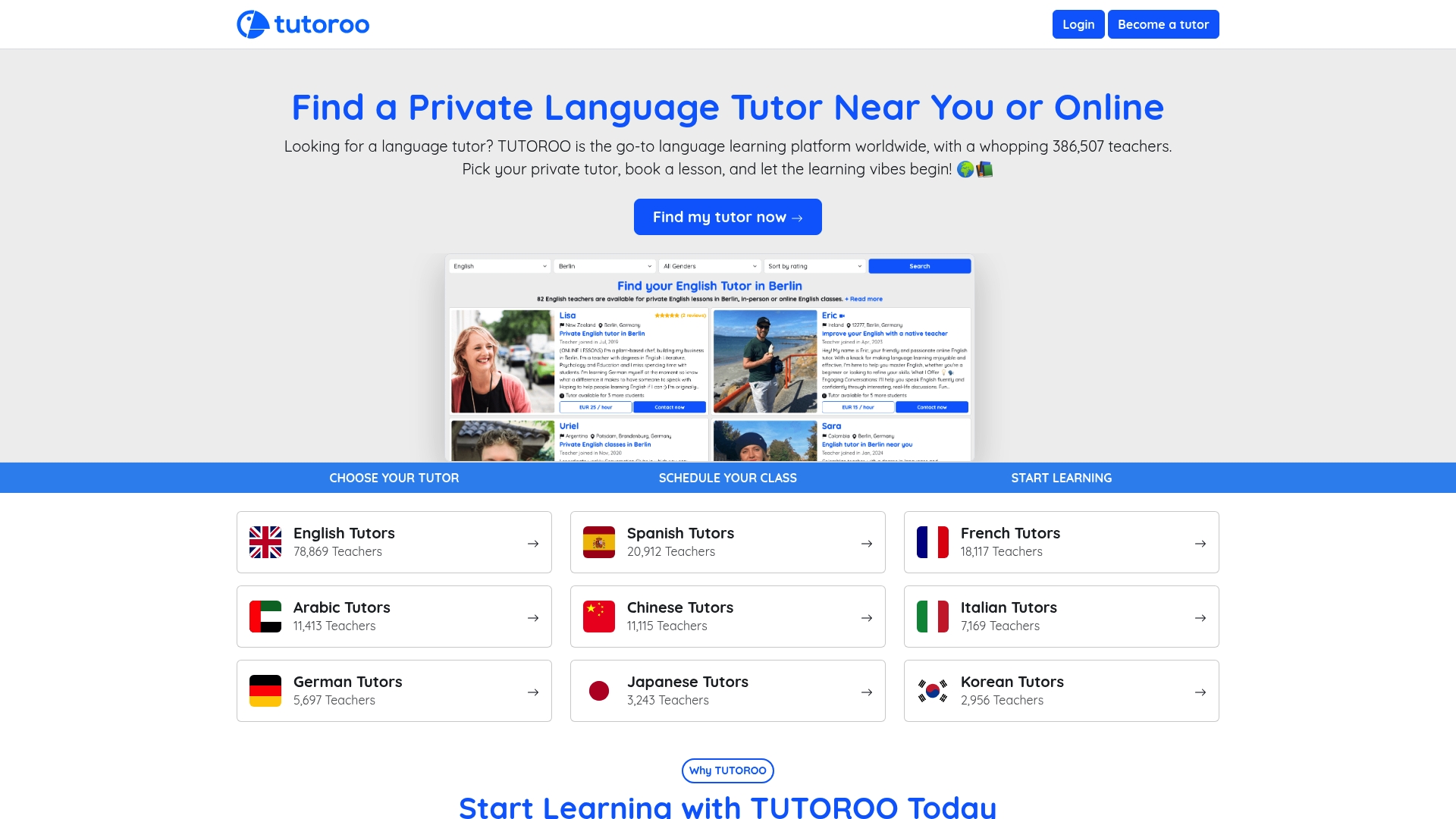
TUTOROO connects you with over 386,000 private language tutors worldwide, each matched to your target language, schedule, and learning objectives. Whether you are preparing for a professional exam, planning a trip, or simply building fluency for the joy of it, a specialist tutor can integrate spaced retrieval, immersion, and reading strategies into a personalised plan that fits your life. You can even find a specialist Malay tutor or expert in dozens of other languages. Browse tutor profiles, send a message, and book a first session at your own pace. Your language journey deserves the right support from day one.
Frequently asked questions
What is the most effective way to retain new vocabulary?
Spaced retrieval practice, where you review words at set intervals, is shown by cognitive research to be the strongest technique for long-term retention. Reviewing at gradually increasing gaps forces active recall, which strengthens memory far more effectively than passive rereading.
Does reading books really help with speaking a new language?
Extensive reading boosts not just reading skills but also vocabulary, speaking fluency, and overall confidence, especially when you choose texts you enjoy. The gains in oral proficiency are a well-documented benefit of consistent, self-chosen reading practice.
Can you learn a language quickly without travelling abroad?
Virtual immersion using online tutors, media, or communities offers up to a 40% fluency speed boost over classroom-only study, almost matching the gains of overseas immersion. With the right tools and consistency, staying home is no barrier to rapid conversational progress.
How do I stay motivated to keep learning a language?
Mixing enjoyable routines with apps, social practice, and positive psychology strategies like goal-setting and resilience will help you stay engaged and make better progress. Small, regular wins matter more than occasional bursts of intensive effort.