

DELF tutoring is worth it when you have a fixed exam date, a specific level gap to close, and enough budget for a focused block rather than scattered lessons. If you're self-disciplined, have months to spare, and just need vocabulary practice, cheaper alternatives usually do the job. You need 50 out of 100 to pass, and a single skill below 5/25 fails you outright. Start with one diagnostic lesson before committing to a block.
TL;DR:
- Private DELF tutoring accelerates progress when focusing on your weakest skills, especially if you have a fixed exam date and a structured, short-term goal.
- Tutors who understand the DELF scoring system provide targeted feedback on comprehension, coherence, vocabulary, and pronunciation, unlike unguided practice.
- Expect 8 to 12 weeks of consistent, intensive lessons, with approximately 200 to 700 study hours depending on your starting level, to reach proficiency.
- A focused tutoring block of 12 to 20 weeks with two weekly lessons can improve mock exam scores faster than self-study, especially when lessons are strategically structured.
- Choose a DELF-experienced tutor, verify their exam-specific background, and prepare beforehand to maximize every paid session effectively.
Table of Contents
- What targeted DELF tutoring actually does for your exam performance
- How much improvement to expect: timelines and measurable outcomes
- How to use a DELF tutor so every paid hour counts
- How to choose a qualified DELF tutor (what to look for and red flags)
- Alternatives to private tutoring and when they are better value
- Evidence and publisher perspective: what our data and expertise show
- When I recommend tutoring, and when I don't
- Finding a DELF-specialist tutor on Tutoroo
- Sources
What targeted DELF tutoring actually does for your exam performance
A good tutor doesn't chat with you in French and hope something sticks. They work backwards from the DELF marking grid, which scores you across distinct categories: comprehension, coherence, lexical range, and grammatical accuracy for writing; pronunciation, fluency, and interaction for speaking. Each of those categories has its own weighting, and a tutor's job is to find which one is quietly costing you points.
That's the real difference between tutoring and unguided practice. You can watch French films for a year and still fumble the DELF's formal letter-writing task, because nobody ever told you the examiner wants a specific structure: introduction, two developed arguments, a counter-argument, and a conclusion, all within a tight word count. A tutor who has actually marked or taught to this exam spots that gap in your first mock essay.
Session time typically covers:
- Pronunciation and fluency drilling, targeting the sounds and rhythm patterns that cost marks in the oral section.
- Argument development for writing, teaching the essay and letter structures examiners expect at each level.
- Time management under pressure, since DELF B2 gives you just 30 minutes to prepare a 10-minute oral defence of an opinion.
- Exam-specific vocabulary, the connectors and set phrases ("il convent de noted que", "dans un premier temps") that signal fluency to an examiner.
- Coping strategies for unfamiliar prompts, so a tricky topic doesn't derail your whole oral performance.
The mechanism that makes this work faster than self-study isn't magic. It's real-time correction. When you write an essay alone and check it against a model answer, you learn what you got wrong after the fact, once, maybe two days later when you've forgotten your reasoning. When a tutor watches you construct an argument and interrupts to redirect a weak sentence, that correction lands while the mistake is still fresh in your head. Repeated across a dozen sessions, that compounding feedback loop is what separates steady improvement from a plateau.
How much improvement to expect: timelines and measurable outcomes
Expect measurable movement within 8 to 12 weeks if you're consistent, but the total hours needed depend heavily on your starting point.
For a complete beginner, reaching DELF B2 typically requires roughly 600 to 700 study hours. If you're already sitting comfortably at B1, that number drops to around 200 hours, which usually translates to four to six months of intensive study. Tutoring doesn't shrink those totals dramatically. What it does is make each hour count for more, because you're not wasting sessions on the wrong grammar point or misjudging your own weak areas.
Statistic callout: A candidate needs 50 points out of 100 overall to pass the DELF, but scoring below 5 out of 25 in any single skill disqualifies the result regardless of your total. That threshold rule is why tutoring focused on your weakest skill, often speaking for anxious learners, often delivers a better return than more hours spent on your strongest one.
Here's how the maths tends to play out for a focused prep block:
- Intensive tutoring block (12 to 20 weeks): two lessons a week with typical lesson lengths, paired with structured homework, tends to show noticeable gains in mock exam scores within the first month.
- Slower self-study alone: covers similar ground but usually takes twice as long to reach the same confidence level, because there's no one flagging blind spots.
- Lesson frequency matters more than lesson length: two 60 minute sessions a week beat one 120 minute session, since spaced repetition of exam tasks builds retention better than a single long cram.
On cost, private DELF tutoring in most markets runs somewhere between $20 and $60 an hour depending on the tutor's experience and location, with examiner-experienced tutors sitting at the higher end. A 12 week block of two lessons a week at an average $35 an hour comes to roughly $840, plus whatever you spend on official practice books. Compare that to a multi-month classroom course, which often costs less per hour but locks you into a fixed pace regardless of your actual gaps. Condensed, well-structured tutoring blocks of 12 to 20 weeks tend to outperform unguided self-study specifically because the homework and mock exams are assigned with intent, not left to your own motivation on a Sunday afternoon.
How to use a DELF tutor so every paid hour counts
Tutoring only pays off if you treat each session as a targeted rehearsal, not a casual chat. Students who get the least value are the ones who show up with nothing prepared and let the hour drift into general conversation.
- Prepare before the lesson. Review the vocabulary list or topic notes assigned last time, and rehearse at least one full answer to a likely oral prompt.
- Start with a short diagnostic. Ask your tutor to give you an unseen prompt for two or three minutes at the start of the lesson, so you're both working from real evidence of where you stand today.
- Drill the specific skill that diagnostic exposed. If your written coherence is weak, spend the bulk of the lesson on connectors and paragraph structure, not vocabulary you already know.
- Run an examiner-style simulation. Timed writing under real exam conditions, or a full oral defence with your tutor playing the examiner, tells you far more than casual discussion ever will.
- Finish with specific, written feedback and homework. Vague praise ("good job") is a wasted lesson; ask for two concrete things to fix before next time.
Pro Tip: Ask your tutor to play devil's advocate during oral practice, pushing back on your opinion with counter-arguments. The DELF B2 oral exam is structured as a debate, and most candidates have never actually practised defending a position against real pushback until exam day.
Between lessons, keep a simple log: the mistake you made, the correction your tutor gave, and one sentence using the fix correctly. Bring that log to the next lesson. It turns scattered corrections into a visible progress trail, and it gives your tutor something concrete to check rather than starting from zero each week.
How to choose a qualified DELF tutor (what to look for and red flags)
The single biggest predictor of whether tutoring works is whether the tutor actually knows the DELF format, not just the French language.
Look for these signals before you book anything:
- Explicit DELF or DALF experience stated on the profile, not just "fluent French speaker" or general conversation practice.
- Examiner or curriculum experience, since former examiners know exactly what the marking grid rewards and penalises.
- Structured materials and mock tests, including official-style practice papers rather than improvised worksheets.
- Sample corrected essays or documented student outcomes, which show the tutor gives detailed, exam-relevant feedback rather than a friendly "well done".
- A clear homework policy, so you know what's expected between sessions instead of guessing.
Treat a profile that only advertises "conversation practice" with caution if your goal is exam success. Conversation partners are genuinely useful for fluency, but they rarely know the DELF's specific scoring categories or timing rules, and that gap shows up in your mock results.
Before booking, ask directly: "Have you prepared students specifically for this DELF level, and can you share how a typical lesson is structured?" A tutor with real exam experience answers that in specifics: diagnostic tasks, timed writing, oral simulations. A vague answer about "practising French together" is a red flag.
It also pays to check independent reviews across platforms where reputation is visible, since experiences with any individual tutor marketplace vary and reviews are one of the few outside checks you have before committing money.
Alternatives to private tutoring and when they are better value
Private tutoring isn't the only route, and for some learners it's the wrong first step.
- Self-study and apps suffice when your deadline is months away, you're self-disciplined, and your level gap is small, say B1 to B2 with a strong existing base.
- Structured classroom courses or workshops offer better value when you want a fixed schedule, built-in mock exams, and the benefit of peer speaking practice, all of which Alliance Française prep courses typically bundle in.
- Hybrid approaches work well for many candidates: a group class for structure and cost efficiency, topped up with a few private sessions targeting your specific weak skill before the exam.
The decision rule is simple. Tight budget and months of runway favour self-study or a classroom course. Tight deadline and a specific weak point favour private tutoring, even at a higher hourly cost, because you're paying to fix exactly what's failing you.
Evidence and publisher perspective: what our data and expertise show
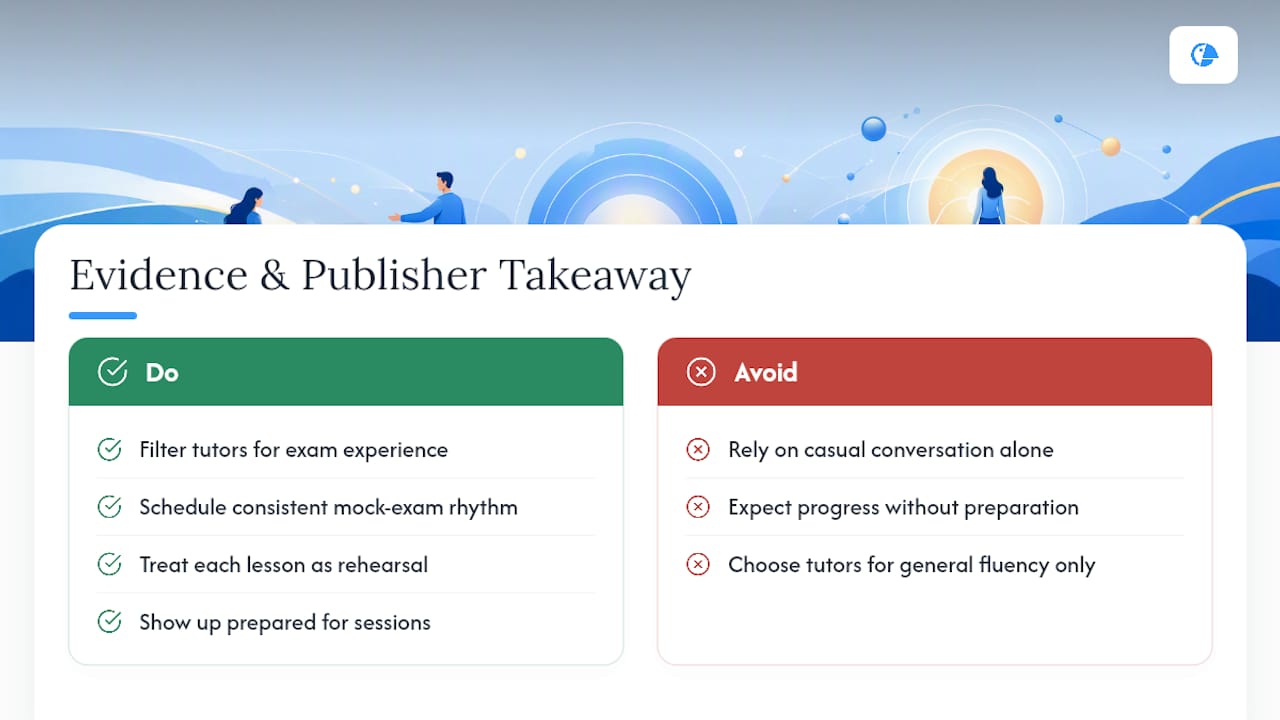
Patterns from language-exam preparation generally point the same direction: tutoring accelerates progress when it's paired with deliberate, structured practice, not casual conversation. That's true for DELF as it is for comparable proficiency exams in other languages.
Tutoroo's own network reflects this demand for specificity. With over 386,000 tutors worldwide, the platform's real value for DELF candidates lies in filtering for tutors who list exam experience rather than general French fluency, then using scheduling tools to build a consistent mock-exam rhythm. The honest caveat stands regardless of platform: tutoring only accelerates outcomes when you show up prepared and treat every session as rehearsal, not conversation.
When I recommend tutoring, and when I don't
Pay for tutoring if you have a firm exam date, a specific skill dragging your score down, and the budget for a focused block. Skip it, for now, if your deadline is flexible and you're disciplined enough to self-study. Either way, book one diagnostic lesson first. It tells you more than a month of guessing.
— TUTOROO
Finding a DELF-specialist tutor on Tutoroo
If the diagnostic lesson confirms you need targeted help, Tutoroo's marketplace makes it straightforward to find someone who actually teaches to the exam rather than just the language. Search French tutors and filter for profiles mentioning DELF or DALF preparation specifically, then check their listed experience and any student outcomes before messaging.
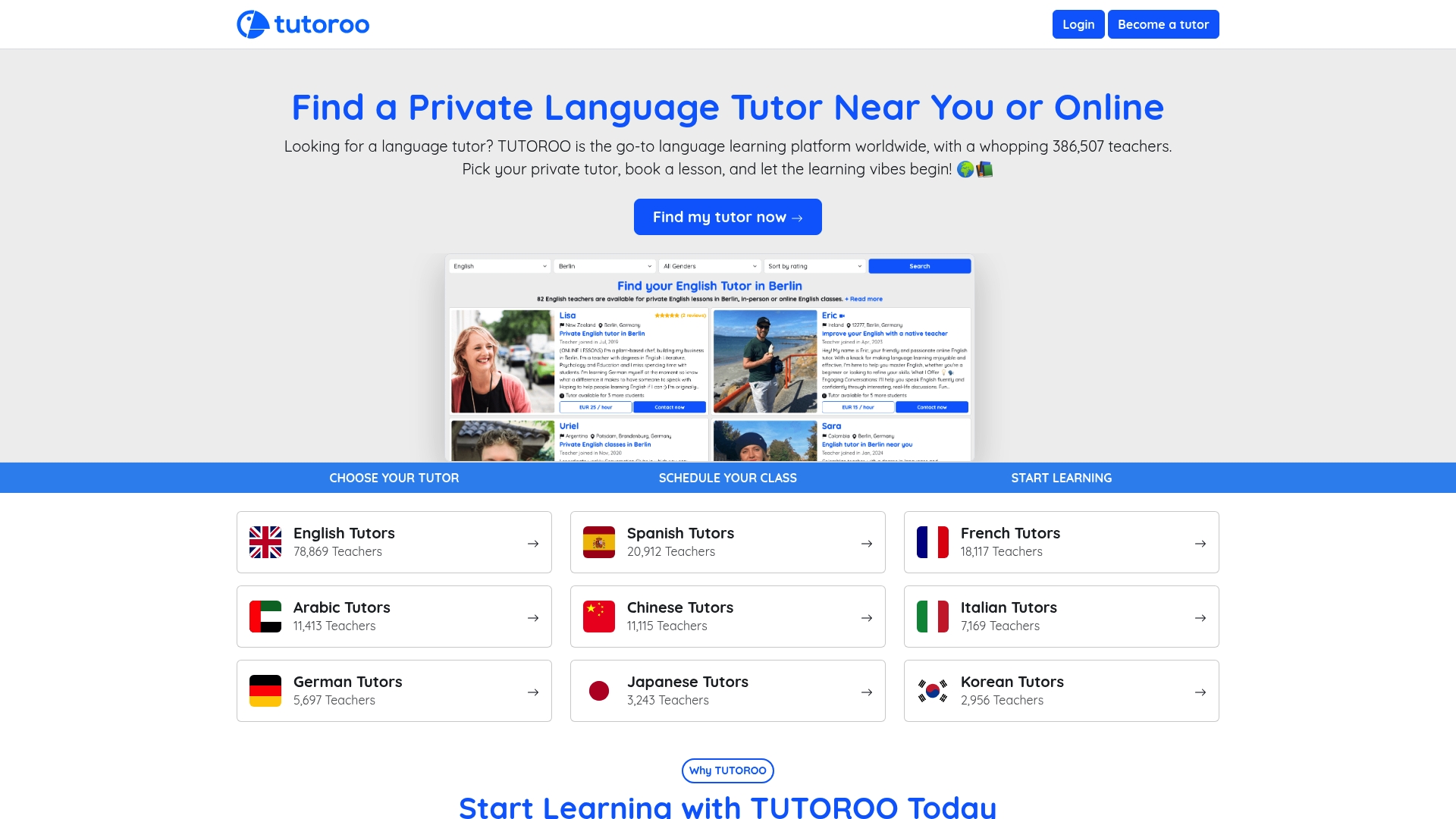
In your first message, ask the two questions that matter most: how they structure a typical lesson, and whether they include timed mock exams as part of preparation. A tutor who answers with specifics, diagnostic tasks, examiner-style simulation, structured homework, is worth trialling. Because the platform charges a one-off introduction fee to connect you with a tutor rather than an ongoing subscription, you can book a short trial block to test fit before committing to a full 12 to 20 week program. Head to Tutoroo to browse profiles and send your first message today.
Sources
For independent verification beyond this article, check the DELF pass mark and exam structure directly, along with Alliance Française's official DELF preparation pages for sample tests and course structures. For a realistic hours-to-level breakdown, the DELF B2 timeline estimates referenced earlier are worth bookmarking as you plan your own study block.