
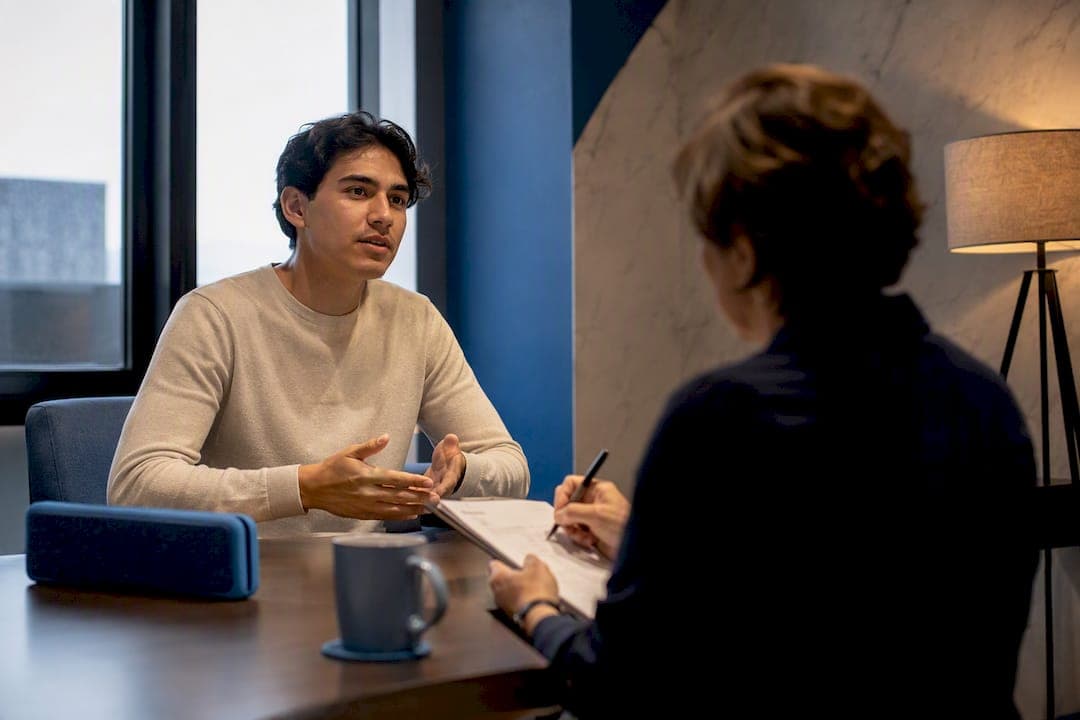
Yes, for most learners aiming to jump a band, such as B1 to B2, or who struggle with speaking practice and exam nerves, private DELE tutoring speeds up exam readiness and is worth the cost. Disciplined self-studiers with strong writing skills and access to timed mocks can pass without it. The real question isn't whether tutoring works. It's whether you need what it offers.
TL;DR:
- Private DELE tutoring offers targeted exam skill practice, including timed writing, mock oral exams, and listening drills, which self-study may lack.
- Tutors with exam marking experience provide specific rubric-based feedback that significantly improves candidates' chances of passing.
- Cost varies widely, but booking lessons based on your preparation timeline and focusing on weak areas maximizes value; a hybrid approach can be optimal.
- Essential qualities in a tutor include experience with exam structure, availability for mock assessments, and the ability to tailor a targeted study plan.
- Paid tutoring makes the most sense for fixed exam dates, weak speaking or writing skills, or candidates needing external accountability to maintain study discipline.
Table of Contents
- What does DELE-focused tutoring actually change?
- Who benefits most from paid DELE tutoring?
- What does DELE tutoring cost, and is it good value?
- How do you choose a DELE tutor without wasting money?
- How many tutoring hours do you actually need before exam day?
- What evidence backs this up?
- When does paying for a tutor actually make sense?
- How Tutoroo helps you find the right DELE tutor
- Sources
What does DELE-focused tutoring actually change?
A good DELE tutor doesn't just chat with you in Spanish and hope fluency rubs off. They work backwards from the exam itself: the four skills tested (reading, listening, writing, speaking), the specific tasks within each, and the rubric examiners use to score them. That distinction separates exam-specific tutoring from general conversation practice.
Tutors with real marking experience know what separates a passing written composition from a failing one, and they can point to it in your work within minutes rather than leaving you to guess. This rubric literacy is one of the most cited advantages successful candidates mention when describing what worked for them. A tutor who has assessed a candidate's level and built a targeted plan around weak sections gets you further than open-ended conversation ever will.
In practice, a session built around exam preparation usually includes:
- Timed writing tasks corrected against the official rubric, not just for grammar
- Mock oral interviews that mimic the real exam's structure and pacing
- Listening drills using authentic exam-style audio, including the tricky multi-speaker sections
- Pacing strategies so you stop running out of time on the reading section
- Feedback on register and formality, since informal Spanish costs marks in formal tasks
The Cervantes Institute, which runs the DELE exam, publishes exam formats and sample papers precisely because task familiarity matters. Walking in blind to task structure costs candidates marks that have nothing to do with their actual Spanish ability, and that's the exact gap a specialist tutor closes.
Who benefits most from paid DELE tutoring?
Not everyone needs a tutor to pass. If you're a disciplined self-studier who reads Spanish news daily, has access to a native speaker for occasional speaking practice, and works methodically through timed mock exams, you may reach exam readiness without spending a dollar on lessons. Structured, self-paced platforms with unlimited timed mocks can outperform ad-hoc live classes for exactly this kind of learner, since volume of practice matters more than guided correction.
Tutoring earns its cost fastest for a different profile:
- Learners with no regular access to a Spanish speaker for the oral exam component
- Candidates with test anxiety who need structured, low-stakes practice under exam conditions
- Writers who consistently misjudge register, tense accuracy, or paragraph structure
- Anyone who has failed the exam once already and can't identify why
Before deciding, ask yourself three things: how far away is your exam date, what's your honest baseline level, and do you need external accountability to actually study consistently? If the answer to that last one is yes, tutoring pays for itself in discipline alone, regardless of what it does for your grammar.
What does DELE tutoring cost, and is it good value?
Private DELE tutoring rates vary widely depending on tutor credentials and location. Tutors with formal DELE marking experience or examiner training typically charge at the higher end of the market, while general Spanish tutors offering exam-adjacent practice sit lower. The gap in price often reflects the gap in rubric-specific feedback quality.
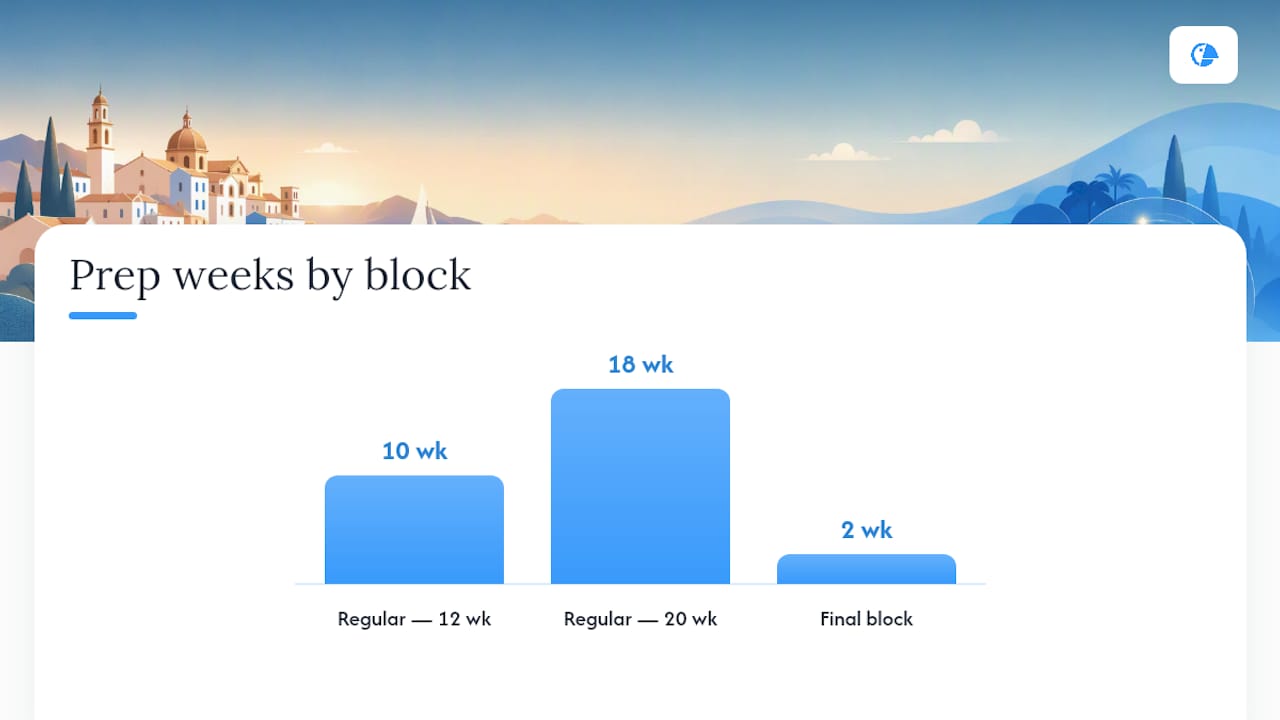
To budget realistically, work backwards from your target hours rather than an arbitrary weekly count. A learner following a 12 to 20 week B1 to B2 plan might book one weekly correction session for most of that period, then add a concentrated block of tutor hours in the final fortnight. Multiply your expected weekly hours by your prep window to get a total spend estimate, then compare that against the cost of retaking the exam if you fail underprepared, which is usually the more expensive outcome.
Value benchmarks worth checking before you commit:
- Does the tutor correct writing against the official rubric, or just for general accuracy?
- Do they run full timed mock orals, or only casual conversation?
- Can they explain, task by task, why a past student lost marks?
A hybrid model, running self-paced mocks for volume and booking a tutor for the final review and speaking practice, often delivers the best return for budget-conscious learners.
How do you choose a DELE tutor without wasting money?
Vetting a tutor properly before booking a block of lessons saves you from discovering three sessions in that they've never actually marked a DELE paper. Treat the first lesson as a working interview, not just a first class.
- Ask about their DELE marking or examiner background. A tutor who has graded real papers can explain rubric weaknesses in specific terms, not vague encouragement.
- Request a sample correction. Send a short writing task and see whether the feedback references the actual exam criteria.
- Ask how they'd structure your first month. A specialist should give you a plan built around your weakest section, not a generic curriculum.
- Confirm mock exam availability. Full timed mock orals and written mocks under exam conditions are non-negotiable for late-stage prep.
- Clarify cancellation, rescheduling, and payment terms before committing to a block of lessons.
Red flags include a tutor who can't name the exam's task structure, avoids giving a sample correction, or pushes general conversation practice as "good enough" for exam prep. Aligning lessons to the actual Cervantes DELE syllabus is the baseline, not a bonus feature.
Pro Tip: Book a single trial lesson focused entirely on one weak skill, like your oral interview, before committing to a multi-week block. A tutor's value shows up fastest under exam conditions, not in casual chat.
How many tutoring hours do you actually need before exam day?
Candidates moving from a solid B1 to B2 typically need around 12 to 20 weeks of focused preparation, not months of open-ended study. B2 candidates simply maintaining their level need far less, often just a monthly check-in session.
- Weeks 1 to 10: one weekly tutor session for writing correction plus independent reading and listening practice.
- Weeks 11 to 16: add a second weekly session focused on speaking, using full mock oral interviews.
- Final fortnight: shift to an intensive block of five to eight tutor hours concentrated on speaking and writing, the two skills examiners score most subjectively.
Booking your exam date at the start of this process, rather than "whenever you feel ready," turns preparation into a project with a deadline instead of an open-ended cost.
What evidence backs this up?
Government language training guidance consistently recommends pairing structured instruction with targeted, deliberate practice for professional-level competence, a principle that applies directly to exam preparation approaches built around specific skill gaps rather than general immersion.
DELE-experienced tutors emphasise assessing a candidate's level first, then building a strategy around exam-specific tasks including timed writing and mock oral interviews, rather than defaulting to open conversation practice.
Tutoroo's internal data shows learners working with a matched tutor progress through structured lesson plans at 1.11 times the pace of unstructured self-study, a gap that tracks closely with what the Cervantes Institute's own exam-format guidance would predict.
When does paying for a tutor actually make sense?
I recommend paid tutoring when your exam date is fixed, your weak skill is speaking or writing, and you know you won't practise consistently alone. Weigh the cost against the price of retaking the exam. If accountability is your gap, a tutor closes it faster than any app.
— TUTOROO
How Tutoroo helps you find the right DELE tutor
Vetting tutors one by one across scattered listings wastes the time you should be spending on mock exams. Tutoroo connects you directly with Spanish tutors from a global community of over 386,000 language teachers, letting you filter by experience, availability, and teaching focus before you ever book a lesson.
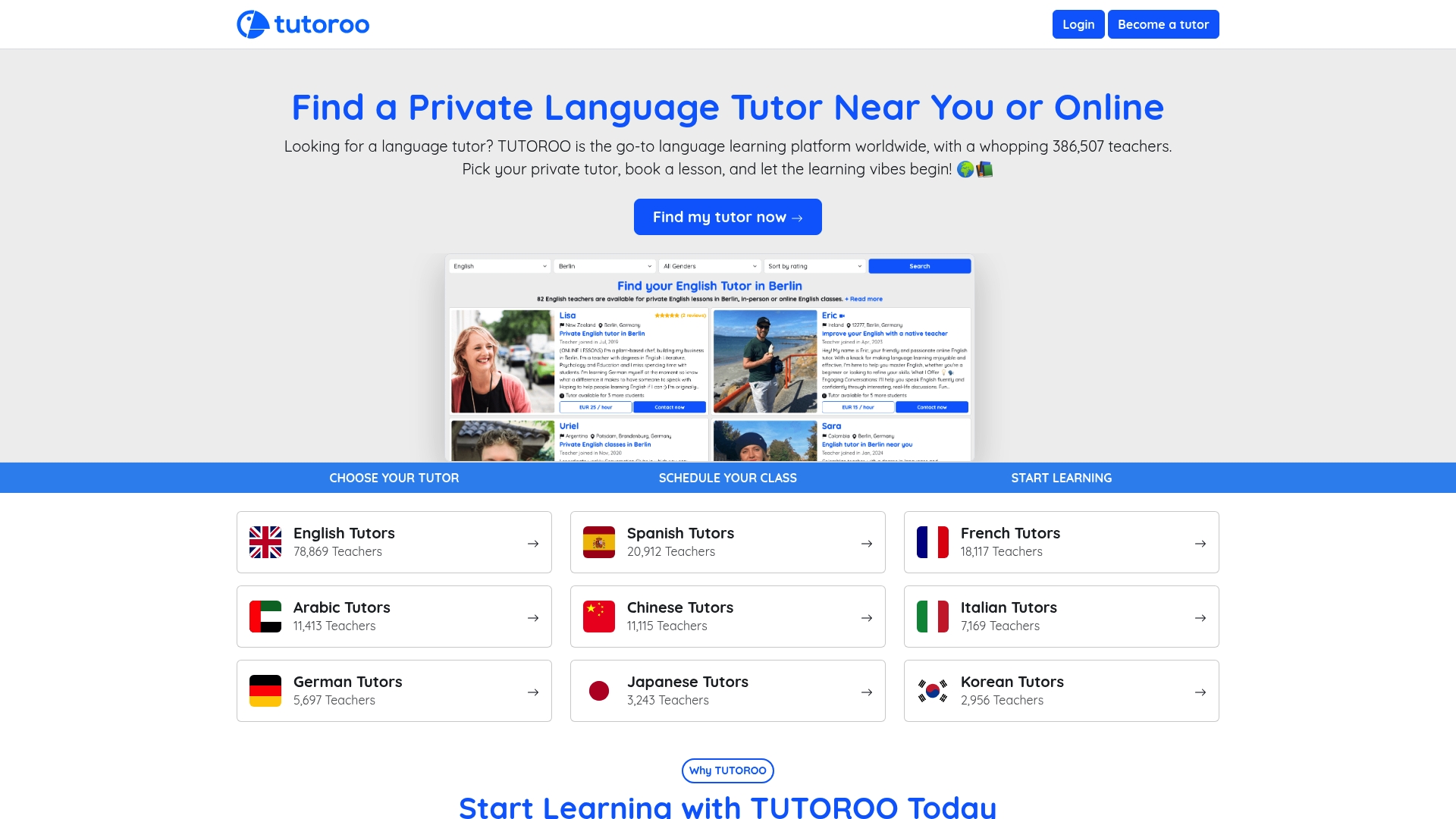
Profiles on the platform let you message tutors directly to ask the exact vetting questions covered above: marking experience, sample corrections, mock exam availability, all before spending a dollar. That direct messaging system means you're not guessing from a generic bio; you're getting answers from the person who'd actually teach you. Combined with the 1.11 times faster progress Tutoroo's learners see with structured lesson plans, matching with the right specialist early saves both study hours and lesson fees down the track.
If your exam date is set and your weak spot is speaking or writing, find a Spanish tutor on Tutoroo and book a trial lesson this week to see how a rubric-aware correction changes your prep.
Sources
- Cervantes Institute — DELE information
- DELE preparation — Maria Ortega García
- Best DELE A2 prep courses ranked (2026) — Prep2Go
- DELE preparation guide — Hello Nabu