

Yes, working with a travel-focused Spanish tutor can help you learn functional travel Spanish faster than self-study alone. Within a handful of focused sessions, most learners can handle ordering meals, asking for directions and checking into accommodation with real confidence. The best next step is simple: book a trial lesson with a tutor who understands travel goals, or start 15 minutes of daily reading practice today.
TL;DR:
- Working with a travel-focused Spanish tutor accelerates learning specific phrases and scenarios needed for ordering, directions, and hotel check-ins within a few sessions.
- It is best to choose a tutor experienced in conversational teaching, verify their travel-related background, and compare two trial lessons to find the best fit.
- Short, intensive online lessons scheduled two to four weeks before travel, combined with daily 15-minute reading and speaking habits, deliver practical language skills efficiently.
- Rates generally range from $35 to $65 per hour, with online lessons being more affordable and certified native tutors typically charging at the higher end.
- A structured four-week curriculum covering essentials, navigation, lodging, dining, and emergency phrases maximizes travel readiness with roleplay, reading, and listening exercises.
Table of Contents
- What "Spanish for travel" actually teaches and realistic goals
- How to choose a travel-focused Spanish tutor
- Lesson formats, scheduling and pricing to expect
- A practical 4-week mini curriculum to run with your tutor
- Why a vetted tutor platform makes the process easier
- Confidence beats perfection every time you travel
- Ready to book your first trial lesson
- Where these recommendations come from
- Sources
- FAQ
What "Spanish for travel" actually teaches and realistic goals
Travel Spanish is a different skill set to classroom Spanish. It prioritises the exchanges you will genuinely have: ordering food, asking for directions, checking into a hotel, and reading signs, menus or text messages when no one is around to translate for you.
The ACTFL proficiency guidelines frame these goals clearly. Most travellers aim to move from Novice, where you rely on memorised words and phrases, to Intermediate, where you can create your own sentences to handle everyday transactions and social interactions. This range covers almost everything a trip requires.
Before departure, a realistic goal set looks like this:
- Order food and drinks, and ask about ingredients or allergies.
- Ask for and understand basic directions.
- Check into accommodation and handle simple booking changes.
- Read common signs, menus and text messages without translating word by word.
- Handle small talk and polite exchanges with locals.
None of this demands fluency. It demands consistent, targeted practice with someone who knows which phrases actually get used at a train station or a market stall.
How to choose a travel-focused Spanish tutor
Not every Spanish tutor teaches travel well. Many are trained for exam preparation or academic grammar, which is useful in a classroom but slow when you have six weeks before a flight. Use this process in one sitting to find the right fit.
- Check the tutor's profile for travel or conversational teaching experience, not just formal qualifications.
- Ask whether their lessons are communicative (built around dialogue and roleplay) rather than grammar-first.
- Confirm flexibility on scheduling, given that travel prep often runs on a tight timeline.
- Request sample materials, such as a phrase list or a past lesson plan, to see their teaching style before you commit.
A short trial lesson tells you more than any profile description. Use it to ask four questions: What is your trip context (dates, destination, purpose)? Which phrases matter most for that trip? Can we roleplay a common scenario, like ordering coffee or checking into a hotel? And what is the cancellation or rescheduling policy if your plans shift?
Watch for tutors who spend the trial explaining verb conjugation charts instead of talking with you. That is a mismatch for travel goals, not a red flag about their teaching in general.
Pro Tip: Book two trial lessons with different tutors before committing. Comparing them side by side makes the right fit obvious fast.
The TUTOROO blog recommends exactly this two-trial approach, since a single session rarely reveals enough about teaching style or personality fit.
Lesson formats, scheduling and pricing to expect

Online lessons suit most travel prep. They are flexible, easy to schedule around work, and just as effective for the conversational drilling that travel Spanish needs. In-person lessons can help if you want body-language cues or local dialect exposure, but they cost more and are harder to book on short notice.
For a short prep window, cadence matters more than lesson length:
- 2 to 4 weeks before travel: three or four short sessions per week, 30 to 45 minutes each.
- 5 to 8 weeks before travel: two sessions per week, with daily 15-minute independent reading practice between them.
- Micro-intensive (under two weeks): daily 20-minute sessions focused entirely on roleplay and phrase drilling.
Rates for private Spanish tutoring typically fall in a broad range of US$35 to $65 per hour, with in-person lessons running 10 to 20% higher than online sessions, according to a tutoring rate survey. Certified or native-speaking tutors tend to sit at the higher end of that band, while newer tutors or those without formal certification are usually more affordable.
A practical 4-week mini curriculum to run with your tutor
A compact, well-sequenced curriculum beats a scattered one. This four-week structure works with almost any travel-focused tutor and any Spanish-speaking destination.
- Week 1, essentials: greetings, numbers, polite phrases, and basic questions (where, how much, when).
- Week 2, transport and navigation: asking for directions, buying tickets, reading transit signs and schedules.
- Week 3, lodging and dining: checking in, resolving booking issues, ordering food, reading menus and asking about ingredients.
- Week 4, social and emergency phrases: small talk, describing problems, asking for help, and handling unexpected situations.
Within each week, three activity types do most of the work. Roleplays rehearse the actual conversation you will have, such as checking into a hotel or ordering at a café. Graded reading tasks build the skill travellers underuse most: interpreting signs, menus and messages without translating every word, a focus the Trivia Lingua travel Spanish guide backs with its emphasis on A1 to A2 reading practice over broad fluency goals. Listening drills using short audio clips or your tutor's own speech sharpen comprehension at conversational speed, and building a personal phrase bank of the ten to fifteen expressions you will use most keeps practice targeted rather than scattered.
Between sessions, a 15 to 20 minute daily habit locks in the gains: read one short passage (a menu, a sign, a message), speak five sentences aloud about your day, and review your growing phrase bank. This structure also pairs well with practical planning resources such as a business travel meal planning guide, which gives useful context for the kind of dining scenarios your tutor can turn into roleplay practice.
Why a vetted tutor platform makes the process easier
Finding a tutor who genuinely teaches for travel, rather than for exams, is easier on a platform built for matching rather than browsing. Some online tutoring platforms connect students with global networks of tutors, filterable by language, location and availability, whether the lessons happen online or in person.
- A large, searchable community of tutors can make it faster to find someone with genuine conversational and travel-teaching experience.
- Built-in messaging may let you confirm trip context and lesson focus before your first session.
- Booking trial lessons directly through such platforms can make the two-trial comparison from the previous section simple to run in one sitting.
Using these features alongside the screening checklist above turns a vague search into a short, structured process: filter, message, book two trials, compare, commit.
Confidence beats perfection every time you travel
The biggest mistake travellers make is waiting until their grammar feels "ready" before they speak. Research on oral proficiency during study abroad backs this up: communicative confidence and strategy use, like circumlocution or simply asking someone to repeat themselves, predict real-world success far more than textbook accuracy does.
A traveller who can gesture, rephrase and laugh through a mistake will get further than one who freezes over the subjunctive. Book the trials. Start the daily reading. Speak before you feel ready.
— TUTOROO
Ready to book your first trial lesson
Preparing for a trip does not need a semester of study. It needs the right tutor and a short, focused plan, and language tutoring platforms are built to help you find tutors easily.
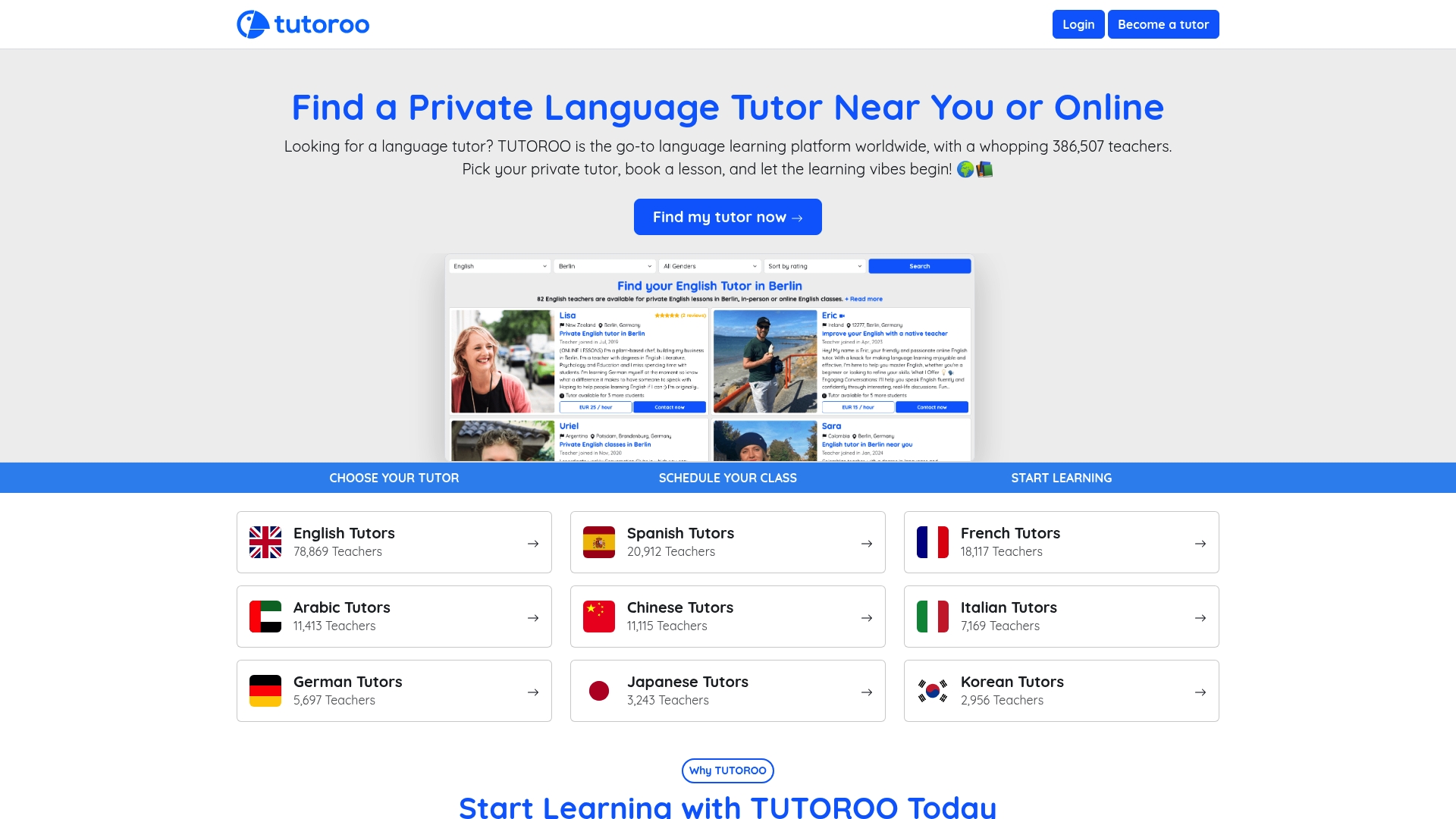
- Search tutors by location or online availability, then filter for travel-focused teaching experience.
- Message candidates directly to confirm they teach conversationally rather than by textbook.
- Book two trial lessons before committing, so you compare fit rather than guessing.
Start on the Spanish Tutors Online page, where you can browse tutors and book a trial lesson today. If your travel plans stretch beyond Spanish, TUTOROO's main platform covers several other languages through the same matching and booking system.
Where these recommendations come from
Sources include the ACTFL proficiency guidelines, a study abroad oral proficiency analysis, a tutoring rate survey, and a practical travel Spanish guide. For a deeper look at proficiency terminology, see this explainer on language proficiency levels.
Sources
- Assessing students' Spanish oral proficiency development during one semester abroad
- Tutoring rates per hour in 2026: what every subject costs - Zutor Blog
- Learn Spanish for travel: what you actually need (Trivia Lingua)
FAQ
What is the 80/20 rule for learning Spanish?
A small core of high-frequency words and phrases covers most everyday conversations, so travellers get the biggest return by mastering common survival phrases first rather than spreading effort thinly. For travel prep, that means prioritising ordering, directions and check-in language over broad grammar study.
How much do private Spanish tutors charge?
Private Spanish tutoring typically costs $35 to $65 per hour, with online lessons usually cheaper than in-person sessions by roughly 10 to 20%. Rates tend to rise with a tutor's experience or certification.
How can I learn Spanish for travel?
The fastest route combines short, frequent tutoring sessions focused on roleplay and real scenarios with daily independent reading practice on menus, signs and messages. A four-week structured plan covering essentials, transport, lodging and social phrases builds practical competence quickly.
Is hiring a Spanish tutor worth it?
For travellers with a limited timeline, a tutor is usually worth it because they target the specific conversations you will actually have, rather than general grammar. Booking a couple of trial lessons first, as outlined in this tutor selection guide, helps confirm the fit before you commit to ongoing sessions.