
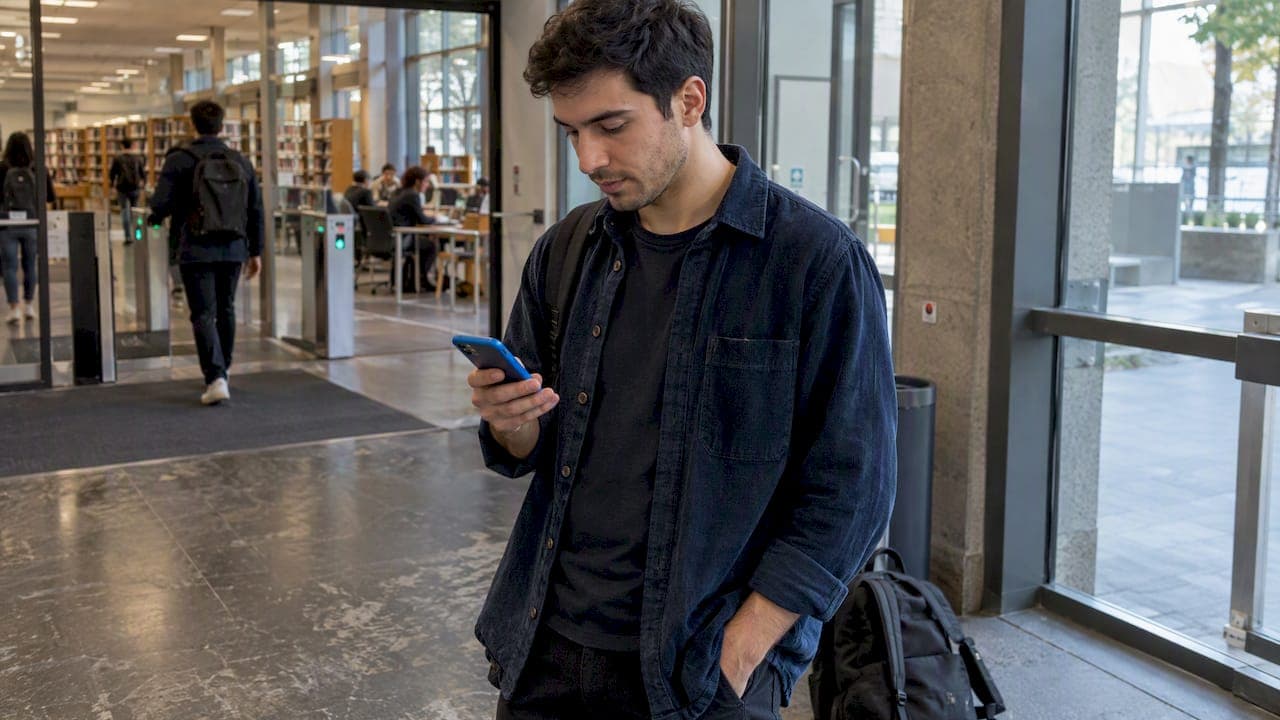
Yes, you can often book a same-day language tutor, and the fastest path is a quick platform search filtered for today's availability, a short clear message to a few tutors at once, and confirmation of time zone and duration before you pay. Many tutors accept bookings with just one to a few hours' notice, though some platforms need longer for a request to be accepted. Act now by searching, messaging, and confirming within the same window.
TL;DR:
- Availability for same-day tutoring depends on the tutor’s calendar, time zone, and how quickly requests are checked and accepted, not just platform features.
- Rapid success requires filtering for today’s availability, messaging multiple tutors with specific goals, and confirming details like time zone and cancellation terms before payment.
- Shorter lessons of 20 to 30 minutes work best for focused tasks like practicing conversations or grammar, while longer sessions suit broader practice or new material.
- Confirm the hourly rate, cancellation window, and whether payment is upfront or after the session to avoid surprises or disputes.
- Sending a clear, specific goal and level in advance significantly improves the chances of quick tutor responses and an effective, focused lesson.
Table of Contents
- Where same-day tutoring is offered and how platform availability works
- Step-by-step: find and book a same-day tutor right now
- What to tell the tutor before the lesson so a short session delivers value
- How long a same-day lesson should be and how to follow up
- Costs, cancellation rules and scheduling windows to check before you pay
- Why this works: research summary and TUTOROO's practical option
- Learner perspective: one quick example of booking and running a same-day lesson
- Get started now: find a same-day tutor on TUTOROO
- FAQ
- Sources
Where same-day tutoring is offered and how platform availability works
Tutoring platforms generally work one of two ways. Some use instant-book systems, where a tutor's open calendar slots are confirmed the moment you pay. Others use request-to-book systems, where your message sits with the tutor until they accept, which can take anywhere from minutes to several hours depending on how often they check messages.

Availability on any given day depends on the tutor's own calendar, their time zone relative to yours, and how close to the session start you're sending the request. A tutor based several time zones away may already be asleep or mid-lesson with someone else, so checking stated availability windows matters more than browsing by language alone. Cancellations also open fresh slots throughout the day, which is why refreshing your search an hour later sometimes surfaces a tutor who wasn't available earlier. Lead time, acceptance workflows, and cancellation patterns together shape whether "same-day" means "within the hour" or "by this evening."
Step-by-step: find and book a same-day tutor right now
Securing a lesson today comes down to speed and clarity. Follow this sequence:
- Filter by availability first, not just language, using search terms like "available today" or "online now" where the platform supports them.
- Shortlist three to five tutors whose profiles show recent activity or a fast typical response time.
- Send a short message to each, not just one, since parallel outreach dramatically improves your odds of a quick yes.
- State your goal, level, and preferred time in four to six lines: what you want to practise, your rough proficiency, your time zone, and the session length you want.
- Confirm time zone, duration, price, and cancellation terms before paying, even under time pressure.
- Have a backup plan, such as a second shortlisted tutor or a slightly later time slot, if your first choice doesn't respond within 20 to 30 minutes.
A message template that works well: "Hi, I'd like a 30-minute Spanish conversation lesson today if you're free. My level is upper-beginner, and I want to practise ordering food and asking for directions. I'm in [time zone] and could do [time]. Let me know if that works and what you need from me beforehand." Clear, specific requests get accepted faster than vague ones, because the tutor can say yes without needing to ask follow-up questions first.
What to tell the tutor before the lesson so a short session delivers value
A same-day lesson is short by nature, so the brief you send beforehand carries real weight. Providing planning time before a communicative task improves performance, which means the few minutes you spend writing a clear message to your tutor isn't wasted time, it's part of what makes the lesson work.
Before the session, share:
- One measurable goal, such as "practise past tense verbs" or "role-play a job interview", rather than a vague wish to "get better".
- Your current level and any materials, like a textbook chapter, a show you're watching, or a work email you need to write.
- A request for direct corrections, so the tutor knows you want feedback in the moment rather than a softened summary afterwards.
Ask for a short follow-up plan too: two or three concrete things to practise before your next lesson, not a long list you won't get through.
Pro Tip: Send your goal and level the moment you book, not at the start of the lesson, so the tutor can plan the structure in advance.
How long a same-day lesson should be and how to follow up
Short, focused sessions tend to outperform long unstructured ones, especially when time is tight. A useful rule: match the session length to a single, well-defined task rather than trying to cover everything at once.
- 20 to 30 minutes suits a narrow task, like practising a specific conversation scenario or reviewing a grammar point.
- 45 to 60 minutes works for broader conversation practice or when you need the tutor to introduce new material.
- Follow-up micro-practice, such as 10 minutes the next day reviewing vocabulary from the session, locks in what you covered.
Spacing your practice across several short sessions tends to serve retention better than one long cramming session, and gamified, spaced learning features that encourage daily shorter sessions can improve retention when paired with tutor feedback. A same-day lesson works best as the start of a routine, not a one-off fix.
Costs, cancellation rules and scheduling windows to check before you pay
Single, same-day lessons are usually priced per hour, with some tutors charging a flat rate regardless of notice and others applying a small premium for urgent requests. Before paying, confirm these details so nothing surprises you afterwards:
- The exact hourly rate and whether it covers a full hour or a shorter session, since some tutors prorate shorter bookings differently.
- The cancellation window, which for short-notice bookings is often tighter and may not allow a free cancellation at all.
- Whether payment is taken upfront or after the lesson, and what happens to that payment if the tutor cancels or doesn't show.
Platform cutoff times vary, and whether a booking confirms instantly or needs tutor acceptance changes how much buffer you should build into your plan. A quick message asking the tutor to confirm their cancellation policy before you pay takes thirty seconds and avoids a frustrating dispute later.
Why this works: research summary and TUTOROO's practical option
The case for same-day lessons being genuinely productive, not just convenient, rests on a few consistent findings. A 2025 study tracking 231 university students over 30 days found that better planning, monitoring and concentration predicted daily goal achievement, with strategic study compensating for shorter study time. Separately, research on deliberate practice for language learning recommends explicit goals, immediate feedback and repetition, all things a tutor can deliver in a focused short session.
We connect learners with a global community of tutors across many languages, with flexible scheduling set directly by each tutor. Before booking, run through this combined checklist:
- Planning done: goal, level and materials sent in advance.
- Platform checked: availability, cutoff time and cancellation terms confirmed.
- Follow-up set: two or three practice tasks scheduled for the next few days.
Learner perspective: one quick example of booking and running a same-day lesson
We've heard variations of this story often enough to know the pattern holds. A learner needed conversational French for a trip the next morning, searched tutors available that evening, and messaged three with a short brief: level, goal, and preferred time. One replied within fifteen minutes. The 30-minute lesson focused entirely on ordering food and asking directions, with corrections noted in the chat for review afterwards. The one change worth trying next time: sending the brief a few minutes earlier gives the tutor time to prepare a small warm-up exercise rather than improvising on the spot.
— TUTOROO
Get started now: find a same-day tutor on TUTOROO
Booking today doesn't mean settling for whoever happens to be free. On TUTOROO, we make it straightforward to search by language, check who's active, and message several tutors at once so you're not waiting on a single reply.
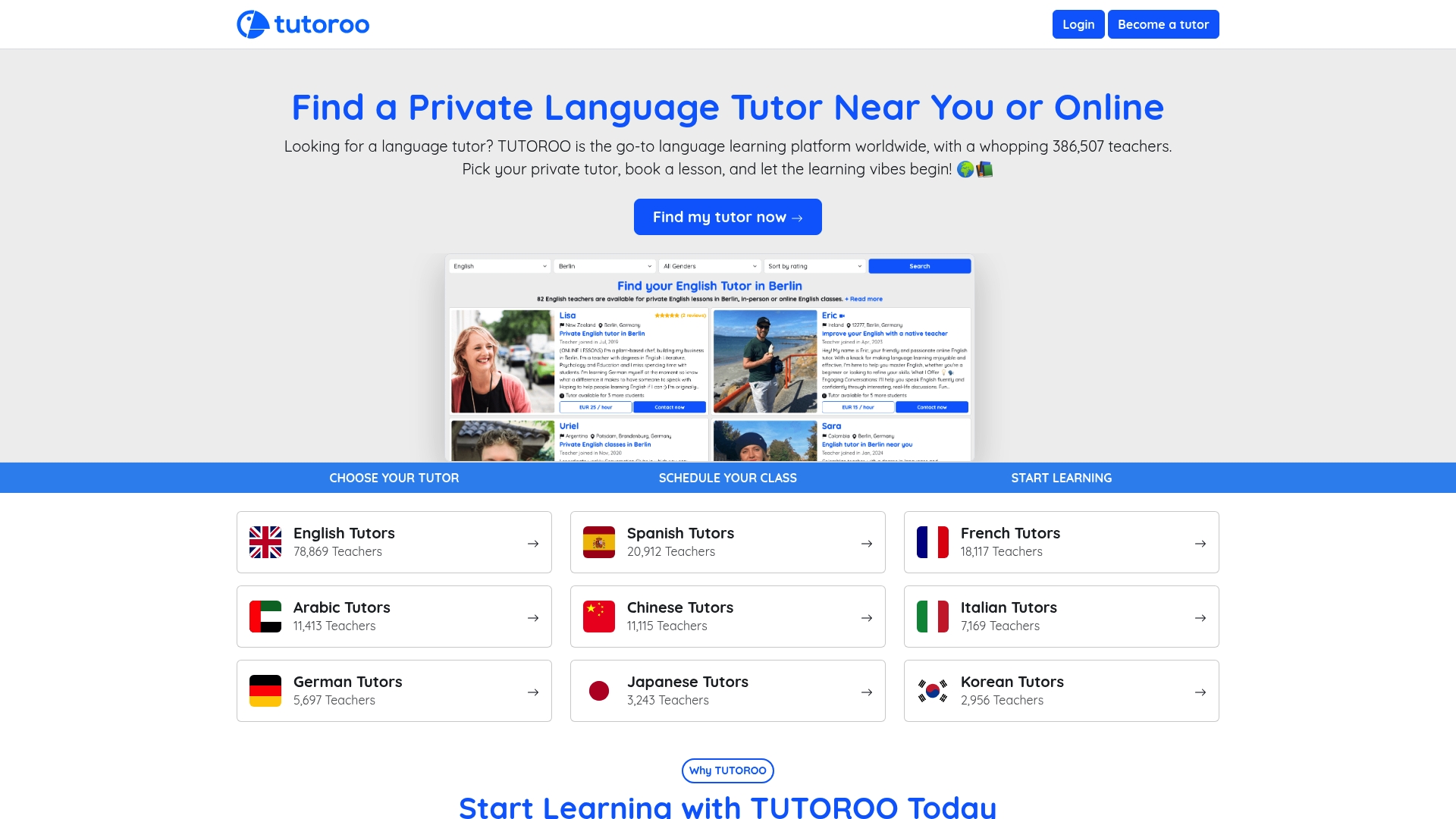
- Search and message: filter by language and send your four to six line brief to a shortlist of tutors.
- Try a language page directly: our English tutors and Spanish tutors pages let you browse live availability for two of our most requested languages.
- Run the pre-lesson checklist: goal, level, materials and cancellation terms confirmed before you pay.
FAQ
How much is language tutoring per hour?
Pricing for private language tutoring is set individually by each tutor and varies by language, experience and location, so there's no single fixed rate across the market. We recommend checking a tutor's profile directly for their rate, since pricing is available on request rather than fixed platform-wide.
How much to study a language per day?
There's no universal figure that applies to everyone, but research shows that strategic planning and concentration can compensate for less total study time, meaning a focused short session often beats a longer unfocused one. Shorter, regular sessions paired with clear goals tend to serve progress better than occasional long cramming blocks.
Are private language lessons worth it?
Private lessons offer direct, immediate feedback and a session structured entirely around your goals, which deliberate practice research links to faster skill development when sessions include clear objectives and corrective feedback. For many learners, especially those preparing for a specific event like a trip or interview, a focused one-on-one session delivers more targeted value than a generic class.
How much is a private English tutor?
Rates for private English tutors depend on the individual tutor's experience and location rather than a fixed platform price, so cost varies from one tutor to another. Checking a shortlist of tutor profiles for their stated rate is the quickest way to get an accurate figure for your situation.
Sources
- PubMed: Study linking planning/strategies to daily study goal achievement (2025)
- PMC: The effect of planning time on vocabulary acquisition in a task‑based environment