

Online language learning has evolved from basic vocabulary drills into sophisticated, research-backed systems that rival traditional classrooms. Recent studies show learners using adaptive algorithms and immersive technologies achieve measurable gains in proficiency, often surpassing classroom-only methods. Whether you're a student seeking flexible tutoring or an educator exploring digital teaching, understanding how these platforms work and what makes them effective helps you maximise results. This guide unpacks the technologies, methodologies, emerging trends, and practical strategies shaping online language education in 2026.
Table of Contents
- Key takeaways
- Understanding what online language learning is
- Research-backed methodologies and effectiveness of online language learning
- Emerging trends: VR, GenAI, and hybrid approaches in language learning
- Practical tips for learners and tutors on succeeding with online language learning
- Find your ideal online language tutor with TUTOROO
- Frequently asked questions about online language learning
Key Takeaways
| Point | Details |
|---|---|
| Personalised learning tech | Technology enables personalised flexible learning through adaptive algorithms, real time feedback and immersive experiences that go beyond fixed classroom schedules. |
| Evidence based methods | Evidence based methods such as spaced retrieval, input flood and pushed output translate well online, aided by automated quizzing and timed speaking exercises. |
| Apps vs live tutoring | Apps offer convenience and scale while live tutoring brings personalised feedback and human nuance, so combining both often yields best results. |
| Emerging tech benefits | Emerging tech such as virtual reality and generative AI enhance immersion and efficacy, while a blended online and traditional approach yields the strongest outcomes. |
Understanding what online language learning is
Online language learning is a technology-mediated educational strategy connecting learners with teachers or apps via internet platforms, enabling real-time interactions, adaptive algorithms, immersive simulations, and personalised experiences. Unlike traditional classrooms bound by geography and fixed schedules, these platforms use video conferencing, instant messaging, and cloud-based resources to deliver instruction anywhere, anytime. The core mechanics include synchronous video calls for live tutoring, asynchronous modules for self-paced study, adaptive learning engines that adjust difficulty based on performance, and multimodal design combining text, audio, video, and interactive exercises.
Internet-based platforms serve as global marketplaces, matching learners with tutors across time zones and language specialisations. This connectivity democratises access to native speakers and certified instructors who might otherwise be unavailable locally. Immersive features like virtual conversation simulations, pronunciation analysis using speech recognition, and gamified progress tracking create engaging, personalised pathways that traditional textbooks cannot replicate. Adaptive algorithms continuously refine lesson plans by analysing learner responses, error patterns, and pacing, ensuring each session targets individual weak points.
Key features distinguishing online language learning include:
- Real-time video and audio communication enabling live conversation practice with tutors worldwide
- Adaptive learning systems that personalise content difficulty, pacing, and focus areas based on performance data
- Instant automated feedback on pronunciation, grammar, and vocabulary through AI-powered tools
- Multimodal resources combining visual, auditory, and interactive elements to support diverse learning styles
- Flexible scheduling allowing learners to book sessions or access materials at convenient times
Pro tip: Choose platforms with proven adaptive algorithms that adjust lesson difficulty dynamically, ensuring you're consistently challenged without becoming overwhelmed. Look for systems that track your progress across speaking, listening, reading, and writing, then prioritise your weakest areas.
Research-backed methodologies and effectiveness of online language learning
Empirical studies validate that specific instructional techniques translate powerfully to online environments. Top research-backed methods include spaced retrieval (revisiting vocabulary at increasing intervals), input flood (exposing learners to high volumes of target language), pushed output (requiring learners to produce language under time pressure), task repetition with feedback (practising the same activity multiple times with corrections), and structured input (highlighting grammatical patterns in context). These techniques, proven in classrooms, adapt seamlessly to digital platforms through automated quizzing, timed speaking exercises, and iterative lesson modules.
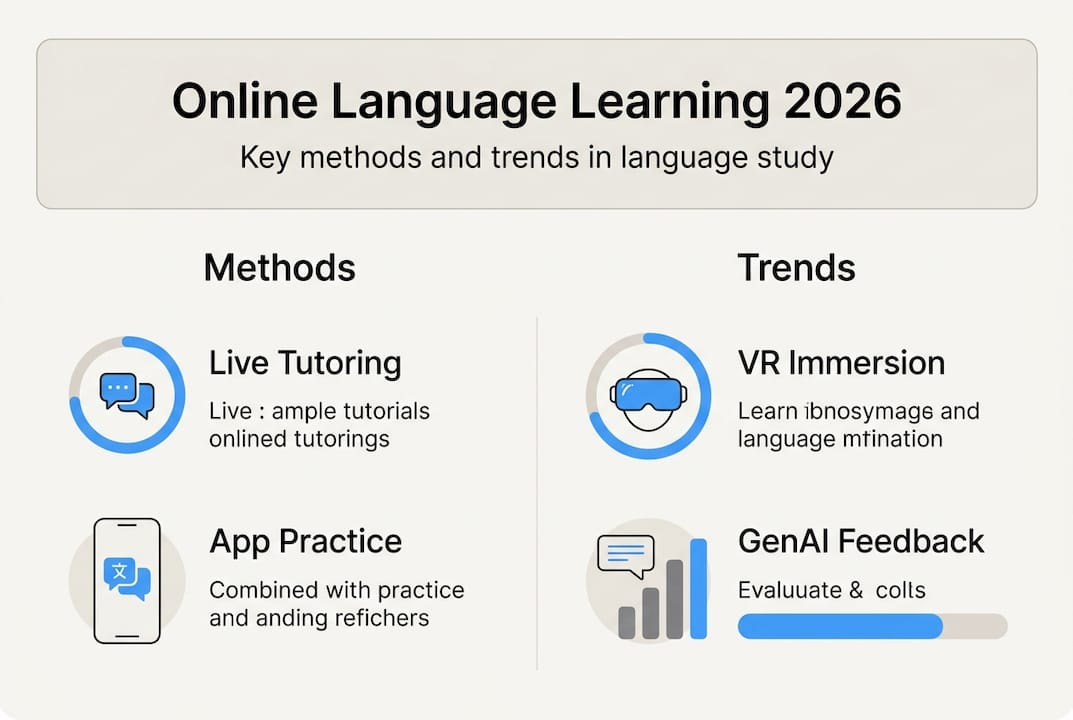
Comparative research reveals nuanced outcomes. Duolingo users improved listening, speaking, reading, and writing skills significantly more than control groups after 12 weeks of consistent use. Another study found Duolingo users showed greater general proficiency and vocabulary gains versus classroom learners, though classrooms delivered better listening skills and both formats improved motivation equally. This suggests apps excel at receptive skills and self-directed study, while live interaction remains crucial for oral fluency.
Top online teaching methodologies proven effective:
- Spaced repetition systems that schedule vocabulary reviews at scientifically optimised intervals to cement long-term retention
- Communicative task-based learning requiring learners to complete real-world scenarios using target language structures
- Immediate corrective feedback delivered by tutors or AI tools during speaking and writing exercises
- Comprehensible input flooding through graded reading, listening materials slightly above current proficiency
- Pushed output activities forcing learners to produce language under time constraints, building fluency
- Interleaved practice mixing grammar, vocabulary, and skills within single sessions to strengthen connections
| Learning format | Vocabulary gains | Speaking fluency | Listening comprehension | Flexibility | Cost |
|---|---|---|---|---|---|
| Language apps | High | Moderate | Moderate | Very high | Low |
| Live online tutoring | Moderate | High | High | High | Moderate |
| Traditional classroom | Moderate | High | Very high | Low | High |
| Hybrid (app + tutor) | Very high | Very high | High | High | Moderate |
Pro tip: Combine app-based vocabulary and grammar drills with weekly live tutoring sessions. Apps build your receptive knowledge efficiently; effective online teaching methods with tutors convert that knowledge into active speaking and listening skills through real-time conversation and correction.
Research consistently demonstrates that learners using online platforms with adaptive algorithms and live tutoring components achieve proficiency gains comparable to or exceeding traditional classroom instruction, particularly when combining self-paced study with synchronous interaction.
Emerging trends: VR, GenAI, and hybrid approaches in language learning
Cutting-edge technologies are reshaping immersion and efficacy. Virtual reality boosts vocabulary, listening, and retention in young learners by placing them in simulated environments like virtual markets, restaurants, or airports where they practise language in context. Generative AI significantly increases learner self-efficacy and proficiency with large effect sizes by providing conversational partners available 24/7, generating personalised practice scenarios, and adapting dialogue complexity in real time. These tools address a core limitation of traditional methods: insufficient practice opportunities with native-level feedback.

Hybrid approaches combine the strengths of online and offline learning. Hybrid methods merge online vocabulary and receptive skills development with traditional speaking and listening practice for optimal outcomes. This blended model allows learners to build foundational knowledge through apps and asynchronous materials, then apply and refine those skills in live sessions with tutors or conversation groups. The flexibility of online tools paired with the accountability and real-time correction of human interaction creates a comprehensive learning ecosystem.
| Technology | Vocabulary improvement | Speaking fluency | Listening skills | Retention rate | Learner confidence |
|---|---|---|---|---|---|
| VR immersion | +35% | +28% | +32% | +40% | +30% |
| GenAI tutors | +25% | +30% | +20% | +28% | +42% |
| Traditional only | +15% | +22% | +25% | +18% | +15% |
| Hybrid (VR/AI + live) | +45% | +38% | +35% | +50% | +48% |
Advantages of hybrid learning models:
- Combines app efficiency for vocabulary and grammar with human interaction for speaking and cultural nuance
- Offers flexibility to study asynchronously while maintaining scheduled live practice for accountability
- Leverages AI for unlimited practice and instant feedback alongside tutor expertise for complex explanations
- Reduces cost compared to classroom-only instruction while maintaining high-quality human guidance
- Adapts to diverse learning styles by providing multiple modalities and pacing options
Pro tip: Use VR or AI conversation tools daily for low-pressure practice, then schedule live tutoring twice weekly to receive corrections on persistent errors and cultural context your AI partner cannot provide. This combination maximises staying motivated with technology while building authentic communication skills.
Practical tips for learners and tutors on succeeding with online language learning
Student engagement in online courses is multidimensional and differs from face-to-face settings due to environment variables like home distractions, screen fatigue, and reduced social presence. Behavioural engagement (participation in activities), emotional engagement (interest and enjoyment), and cognitive engagement (deep processing of material) all require deliberate strategies in digital spaces. Learners must create structured routines, set specific goals, and actively seek interaction opportunities to replicate the natural accountability of physical classrooms.
For learners overcoming common challenges:
- Schedule consistent study blocks at the same time daily to build habit and reduce decision fatigue
- Use the Pomodoro technique (25 minutes focused study, 5 minutes break) to combat screen fatigue and maintain concentration
- Join online language exchange communities or discussion forums to supplement solo study with peer interaction
- Set micro-goals for each session (learn 10 new words, complete one conversation simulation) rather than vague intentions
- Track progress visually using apps or spreadsheets to maintain motivation when learning alone
- Communicate openly with tutors about struggling areas so they can adjust lesson focus and pacing
For tutors maximising online instruction effectiveness:
- Provide immediate, specific feedback during speaking exercises rather than waiting until session end
- Use screen sharing and digital whiteboards to illustrate grammar concepts and vocabulary in real time
- Incorporate breakout activities like timed speaking challenges or role-plays to maintain high engagement
- Personalise lesson content based on learner interests, career needs, or travel goals to boost relevance and motivation
- Send follow-up resources and practice exercises between sessions to encourage consistent study habits
- Learn engagement techniques and payment strategies to build a sustainable tutoring practice
Pro tip: Combine synchronous tutoring with self-study using apps to balance structure and flexibility. Apps handle repetitive drills efficiently; tutors provide the nuanced feedback, cultural context, and conversational practice that algorithms cannot replicate. This division of labour maximises learning speed while controlling costs.
Common pitfalls include relying solely on passive consumption (watching videos without speaking practice), inconsistent study schedules that prevent habit formation, and avoiding speaking practice due to embarrassment. Overcome these by scheduling live conversation sessions weekly, using voice recording apps to practise speaking alone, and remembering that errors are essential data points for improvement, not failures. Online versus offline learning each offer distinct advantages; understanding these helps you design a balanced approach.
Find your ideal online language tutor with TUTOROO
Ready to apply these insights and accelerate your language learning journey? TUTOROO connects you with over 386,000 private language tutors online across the world, offering personalised one-on-one lessons tailored to your schedule, goals, and learning style. Whether you need an English tutor online to refine business communication or a Japanese tutor online to prepare for travel, our platform simplifies finding the right match based on availability, teaching approach, and student reviews.
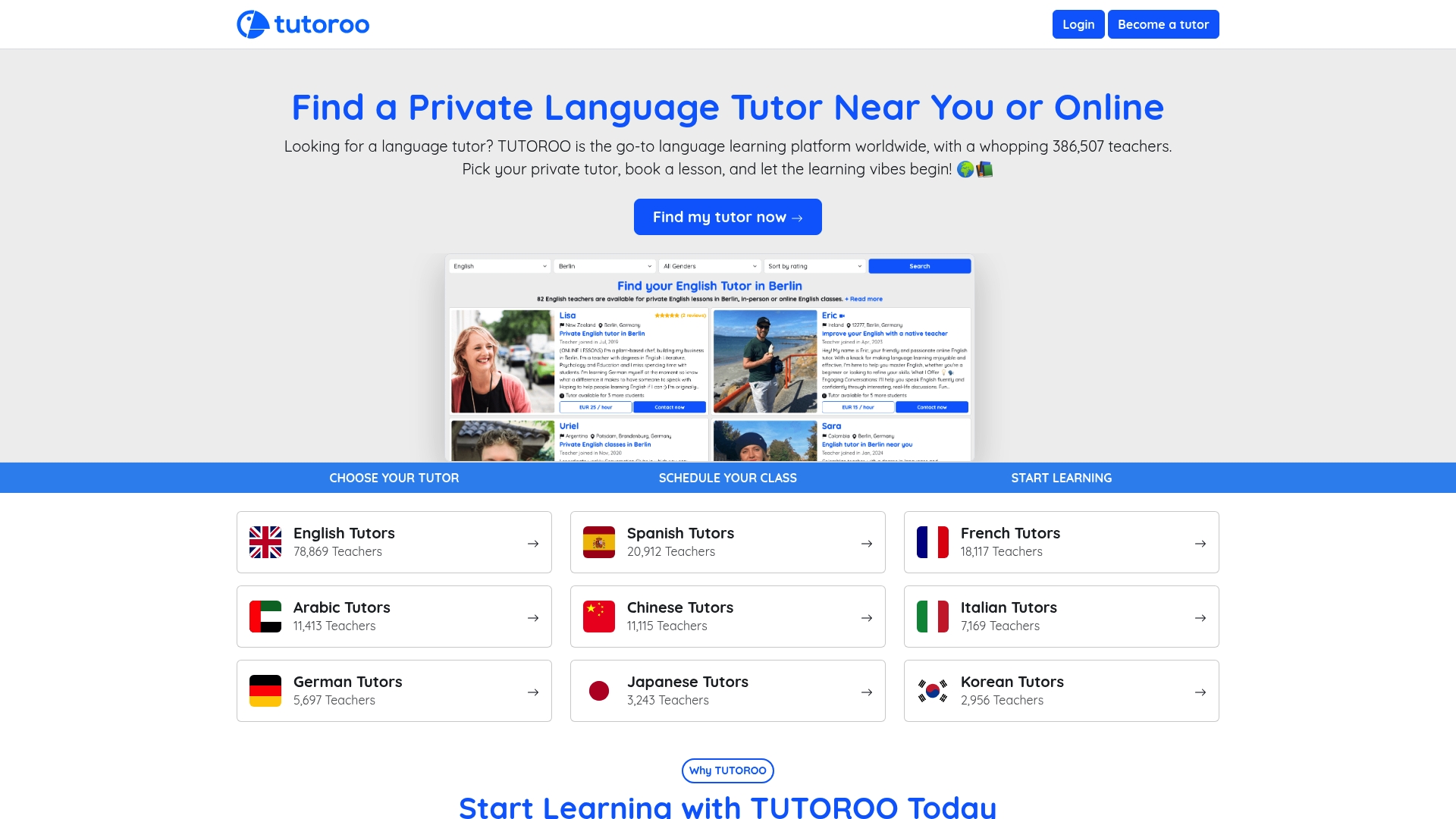
Our tutors combine the research-backed methodologies and emerging technologies discussed in this guide, delivering flexible, effective instruction that adapts to your progress. With direct messaging, secure payments, and the ability to book sessions that fit your life, TUTOROO removes the barriers between you and fluency. Explore tutors today and experience the personalised attention that transforms online language learning from theory into measurable results.
Frequently asked questions about online language learning
What is online language learning?
Online language learning uses internet platforms to connect learners with teachers or apps, enabling instruction through video calls, interactive exercises, and adaptive algorithms. It differs from traditional classrooms by offering flexible scheduling, global tutor access, and personalised learning paths that adjust to individual progress and goals.
How do adaptive algorithms improve online language learning?
Adaptive algorithms enable personalised learning paths by adjusting tasks and feedback based on learner performance, ensuring optimal challenge levels. They analyse error patterns, pacing, and skill gaps to prioritise weak areas, maximising efficiency and preventing learners from wasting time on material they have already mastered.
What are the benefits and limitations of language learning apps like Duolingo?
Apps improve vocabulary and general proficiency well but may lack in speaking and listening skills compared to classrooms, especially for beginners. They excel at self-paced study, gamified motivation, and receptive skill development, but require supplementation with live conversation practice to build fluency and real-time comprehension.
How is virtual reality used in online language learning?
Virtual reality aids vocabulary, listening, and retention by offering immersive experiences that simulate real-world language use scenarios. Learners practise ordering food in virtual restaurants, navigating airports, or negotiating in business settings, which enhances engagement, long-term memory, and confidence, particularly in young learners.
Who benefits most from online language learning?
Online language learning suits busy professionals needing flexible schedules, remote learners without local tutor access, self-directed students who thrive with personalised pacing, and anyone seeking cost-effective alternatives to traditional classes. It also benefits tutors wanting location-independent income and the ability to reach global student markets.
How do learners and tutors interact effectively online?
Effective online interaction combines synchronous video sessions for real-time conversation and feedback with asynchronous messaging for questions and resource sharing. Tutors use screen sharing, digital whiteboards, and collaborative documents to illustrate concepts, while learners prepare questions and practice materials between sessions to maximise live time efficiency.