

Choose an Egyptian Arabic tutor if your goal is broad media comprehension, entertainment or connecting with Egyptian family and friends, since Egyptian dialect enjoys the widest cultural reach across the Arab world. Choose a Levantine tutor if your life or work centres on Lebanon, Syria, Jordan or Palestine. Most tutors can teach both dialects alongside Modern Standard Arabic, so a trial lesson is the quickest way to settle any remaining doubt.
TL;DR:
- Egyptian Arabic is more widely understood across the Arab world due to its dominance in regional media, which aids comprehension even for novices.
- Pronunciation differences, such as the hard "g" in Egyptian and the softer "j" in Levantine, significantly impact spoken communication.
- Recognizing a dialect's regional focus helps learners choose between Egyptian or Levantine based on personal and professional needs.
- A trial lesson should include dialect-specific sounds and vocabulary, with clear explanations and realistic lesson plans to gauge teaching style.
- Understanding one dialect facilitates faster comprehension of the other, especially with explicit listening strategy training during lessons.
Table of Contents
- Core differences: pronunciation, vocabulary and media exposure
- Which learners each dialect suits: practical use cases
- What to expect from a private tutor and a trial lesson
- Selection checklist and exact questions to ask when comparing tutors
- Research-backed notes on dialect transfer and listening strategies
- TUTOROO's perspective on matching students and tutors for dialect learning
- How to book an Egyptian or Levantine tutor on TUTOROO
- Sources
- FAQ
Core differences: pronunciation, vocabulary and media exposure
The two dialects sound noticeably different from the first sentence you hear. Egyptian Arabic tends to pronounce the letter jim as a hard "g" (as in "go"), while Levantine speakers generally keep the softer "j" sound found in Modern Standard Arabic. Vocabulary shifts are just as immediate: "now" is dilwa'ti in Egyptian and halla' in Levantine, and "what" becomes eih versus shu. These are the kinds of everyday words a tutor will drill first, because they shape how quickly you sound natural in conversation.

Media exposure is where the dialects really part ways. Egyptian Arabic dominates film, television and music across the region, which is part of why it's widely understood well beyond Egypt's borders. Levantine dialects have their own strong presence in regional drama and music, particularly Syrian and Lebanese productions, but that content skews toward audiences already connected to the Levant.
The differences run deeper than vocabulary lists suggest. Academic work on Levantine Arabic shows it diverges from Modern Standard Arabic across phonology, morphology and word choice, much like Egyptian Arabic does, just along a different path.
A few contrasts worth knowing before your first lesson:
- Pronunciation: Egyptian favours a hard "g", Levantine keeps a softer "j".
- Common words: greetings, question words and negation particles differ noticeably between the two.
- Media reach: Egyptian content is broadcast and streamed more widely across Arabic-speaking countries.
- Regional identity: Levantine dialects vary again internally between Lebanon, Syria, Jordan and Palestine.
Learners who understand one dialect well tend to comprehend the other faster. Research on L2 Arabic dialect comprehension found that solid listening skills in a familiar dialect predict how well learners understand an unfamiliar one, more so than their Modern Standard Arabic ability alone.
Which learners each dialect suits: practical use cases
Your goals should drive the decision, not the other way round.
- Choose Egyptian if you watch Egyptian films or music, have family or friends in Egypt, or want the dialect most likely to be understood by strangers across several countries.
- Choose Levantine if you work with or have family in Lebanon, Syria, Jordan or Palestine, or you're drawn to Levantine drama and music.
- Learn both, or start with Modern Standard Arabic plus one dialect, if your plans span multiple countries or you want a formal foundation before specialising.
- Lean on prior exposure: if you already follow Egyptian media casually, that listening background will make Levantine easier to pick up later, and the reverse holds true as well.
Nothing here is permanent. Plenty of learners start with one dialect for practical reasons and add the other once their ear adjusts, especially with guidance from a tutor who teaches both.
What to expect from a private tutor and a trial lesson
A well-run Arabic lesson usually blends conversation practice, targeted grammar and listening work built around real media clips, songs or news segments. Good tutors move between Modern Standard Arabic and the dialect deliberately, explaining how the two connect rather than treating them as separate languages.
A useful 30 to 60 minute trial should give you a feel for:
- How clearly the tutor explains dialect-specific sounds and vocabulary.
- Whether they ask about your goals before jumping into content.
- How they handle mistakes: correcting gently without breaking your flow.
- Whether they suggest a realistic lesson plan and materials for the weeks ahead.
Pricing shapes vary by tutor and platform, with options typically discussed after a trial lesson. Progress at a conversational level typically takes sustained weekly practice over several months, though pace depends heavily on prior language study and time invested outside lessons.
Pro Tip: Ask the tutor to speak only in the dialect for five minutes during the trial. How much you follow without translation is a fast, honest gauge of fit.
Selection checklist and exact questions to ask when comparing tutors
Narrowing down tutors gets easier once you know what to check.
- Confirm the tutor is a native speaker of the dialect you want, not just fluent in Arabic generally.
- Ask about their teaching experience and whether they've taught your dialect specifically to non-native speakers.
- Request sample materials or a rough lesson plan for your first month.
- Check reviews and availability before committing to package pricing.
- Ask directly whether they teach Modern Standard Arabic alongside the dialect, if you want both.
Bring these questions into your trial lesson:
- How do you usually structure a first month of lessons for someone at my level?
- What homework or practice do you assign between sessions?
- How do you measure progress, and how often do we review it?
- What's your cancellation or rescheduling policy?
Treat vague answers, no sample materials, or reluctance to discuss method as red flags. If progress stalls after a few weeks, that's a fair moment to shift focus, ask for a revised plan, or try a different tutor entirely. For a deeper walkthrough of the trial process, TUTOROO's guide to choosing an Arabic tutor covers the same ground in more depth.
Research-backed notes on dialect transfer and listening strategies
The advice above isn't guesswork. A PhD study on cross-dialectal Arabic conversation found that learners who received explicit training in listening strategies scored higher on post-tests measuring comprehension of an unfamiliar dialect than those who didn't.
Learners who practise root-and-pattern recognition, focus on content words, and use context to fill phonological gaps comprehend unfamiliar dialects more reliably than those relying on passive exposure alone.
Egyptian Arabic is widely spoken by tens of millions of native speakers, according to Pimsleur's course overview, which helps explain its wide reach through media and everyday conversation. The practical takeaway for learners: a tutor who teaches listening strategies explicitly, rather than just more vocabulary, will get you understanding an unfamiliar dialect faster.
TUTOROO's perspective on matching students and tutors for dialect learning
We think the dialect debate matters less than finding the right person to teach you. With a large pool of tutors and direct messaging built into the platform, learners can compare native Egyptian and Levantine speakers side by side before committing to anything. A trial-first approach removes most of the guesswork: you hear the dialect, gauge the teaching style, and decide with real information rather than assumptions.
— TUTOROO
How to book an Egyptian or Levantine tutor on TUTOROO
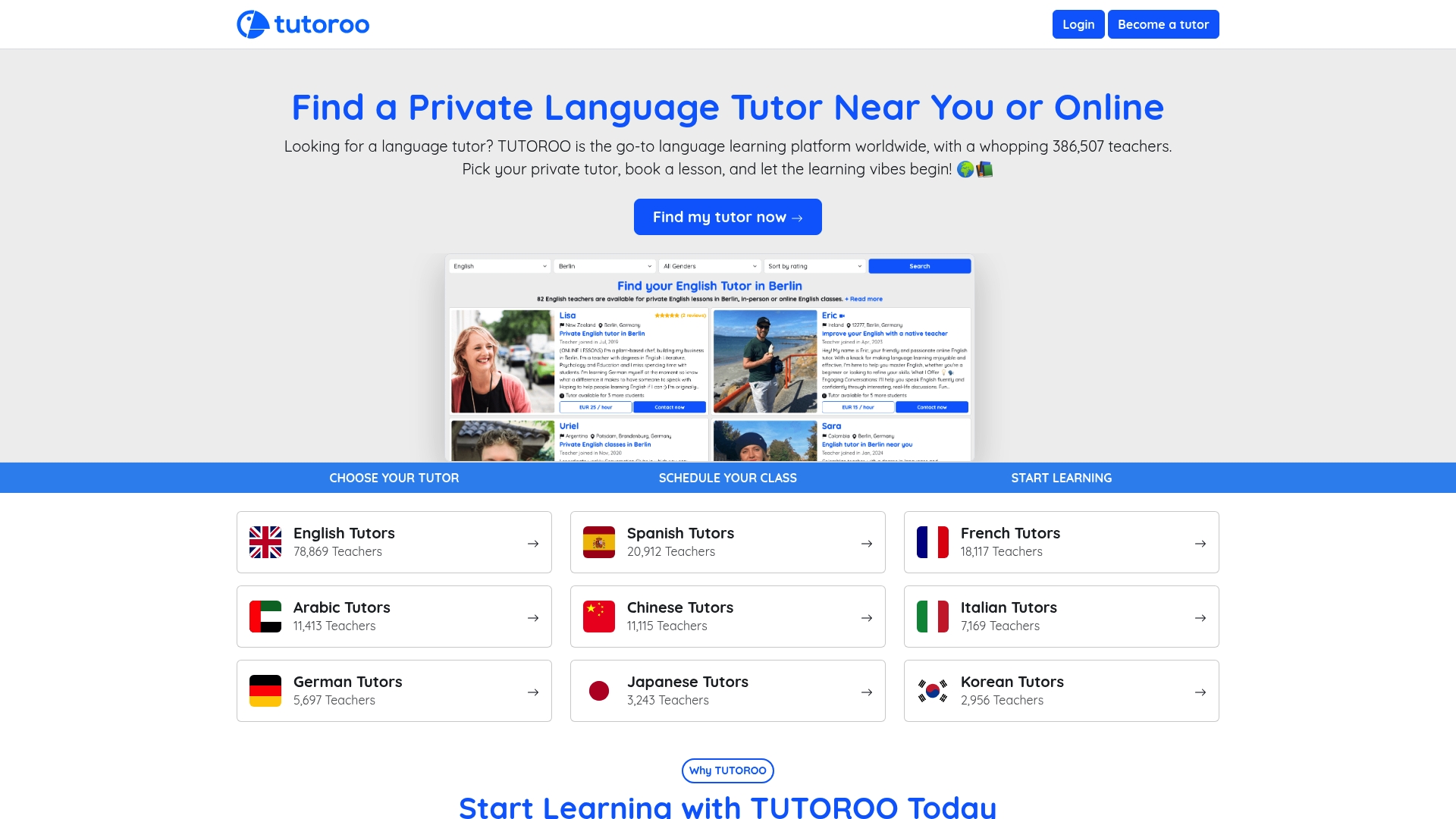
Finding the right tutor shouldn't take longer than deciding what to say in your first lesson. On TUTOROO, search for an Arabic tutor, filter by dialect or nationality, and message a few candidates to arrange a trial lesson before booking anything ongoing.
A few reasons learners start here:
- A large, global pool of native and experienced tutors covering both dialects.
- Direct messaging to ask questions before you commit to a lesson.
- Flexible scheduling that fits around work, study or family life.
- A trial-first approach, so you judge fit before paying for a full package.
Browse Arabic tutors online to see current profiles, or head straight to the Lebanese tutors page if Levantine is your focus.
Sources
- L2 Arabic dialect comprehension: empirical evidence for the transfer of familiar dialect knowledge to unfamiliar dialects
- Arabic cross-dialectal conversations with implications for the teaching of Arabic as a second language (PhD thesis)
- Learn to speak Egyptian Arabic language | Try for free — Pimsleur
FAQ
Can Egyptians understand Levantine Arabic?
Many Egyptians understand at least some Levantine Arabic through exposure to regional media, though comprehension depends on individual familiarity rather than automatic mutual understanding. Listening ability in one dialect tends to support comprehension of the other, according to research on dialect transfer.
Are Egyptians considered Levantines?
No, Egyptians are not considered Levantines. Levantine refers specifically to the dialect and cultural group spanning Lebanon, western Syria, Palestine and parts of Jordan, while Egypt forms its own distinct linguistic and cultural region.
Which Arabic dialect is hardest to understand?
Difficulty depends on which dialect a learner is exposed to first and how much listening practice they've had. Dialects with fewer speakers or less media presence, rather than Egyptian or Levantine specifically, tend to pose the steepest comprehension challenges for newcomers.
Is Levantine Arabic worth learning?
Levantine Arabic is worth learning for anyone with personal, professional or cultural ties to Lebanon, Syria, Jordan or Palestine. It offers strong regional media and, once a tutor bridges it with Modern Standard Arabic, a practical route into everyday Levantine conversation.